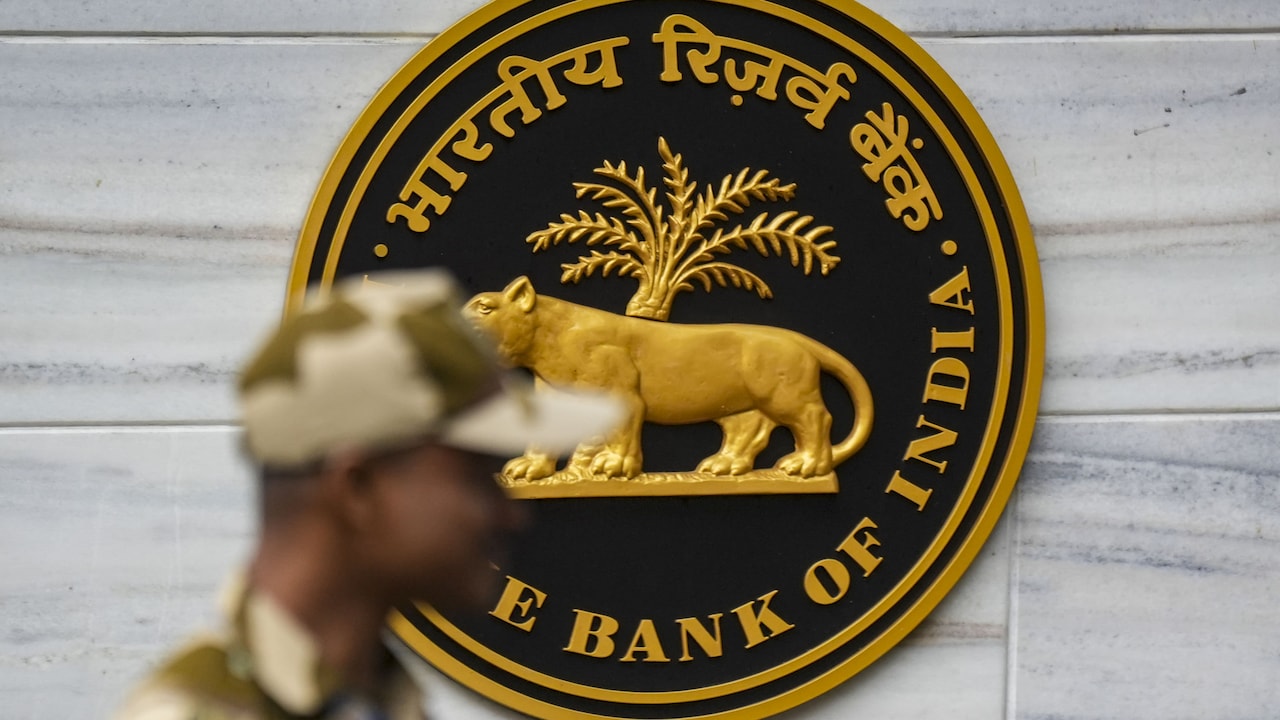
In a major regulatory blow, the Reserve Bank of India has reportedly denied Tata Sons' request to remain unlisted, potentially forcing the conglomerate giant toward an IPO.
- The Reserve Bank of India (RBI) has rejected Tata Sons' plea to avoid public listing.
- The decision emphasizes the need for heightened corporate transparency and regulatory compliance.
- Tata Sons may now be compelled to initiate the process of going public.
In a move that has sent ripples through India's financial corridors, the Reserve Bank of India (RBI) has reportedly rejected a significant request from Tata Sons. According to high-level sources, the central bank denied the holding company's plea to be exempted from the mandatory requirements of public listing. This decision marks a critical juncture in the relationship between India's premier industrial house and its financial regulators.
Tata Sons, the principal investment holding company of the Tata Group, had reportedly sought to maintain its private status to preserve strategic autonomy and operational flexibility. However, the regulator’s refusal suggests a tightening grip on large-scale corporate entities that wield significant systemic importance in the Indian economy.
Why This Matters
BozokMedia analysis shows that this regulatory stance is designed to bolster investor confidence and ensure that massive conglomerates operate under the same scrutiny as other public entities. By forcing or encouraging such giants to list, the RBI aims to mitigate systemic risks and enhance the transparency of capital flows within the country.
The era of massive, opaque holding companies operating outside the public eye is rapidly coming to an end in India.
Historically, the Tata Group has been a cornerstone of Indian industry, transitioning from a colonial-era enterprise to a global powerhouse. While many of its subsidiaries like TCS and Tata Motors are already public, the parent company, Tata Sons, has remained a private entity, providing a centralized and controlled decision-making structure.
The implications of this decision extend far beyond Tata Sons. It sets a precedent for other large, unlisted conglomerates in India. If the RBI continues this trend, it could lead to a massive wave of IPOs from some of the country's most powerful family-led or promoter-led businesses.
Financial analysts suggest that a public listing of Tata Sons would be one of the largest IPO events in history, potentially unlocking immense value for stakeholders and fundamentally altering the landscape of the Indian stock market.
Frequently Asked Questions
Question 1: Why did Tata Sons want to avoid public listing?
Answer: To maintain strategic control and avoid the rigorous disclosure requirements and short-term pressure associated with being a public company.
Question 2: What could be the impact of this decision on the Tata Group?
Answer: It may lead to a restructuring of the group's financial architecture and a more transparent governance model.