A deep dive into the films that have chronicled the 1984 anti‑Sikh riots and their lingering impact on Punjab. The piece examines artistic ambition, censorship battles, and the evolving discourse surrounding recent controversies.
मुख्य बिंदु (Key Takeaways)
- Early 1990s‑2000s films turned the 1984 riots into a catalyst for social consciousness.
- New‑generation movies like Satluj and Chardikala blend rigorous research with political boldness, yet face strict censorship.
- Success of these films has cemented the 1984 tragedy as a pivotal theme in Indian cinema.
Introduction – The anti‑Sikh riots of 1984 left deep wounds in Punjab’s social fabric. Cinema, alongside literature and music, has taken on the task of narrating this trauma. Today, films such as Maachis, Satluj, and Chardikala serve as the most visible conduits that bring this history to new audiences.
Historical Context and Early Works
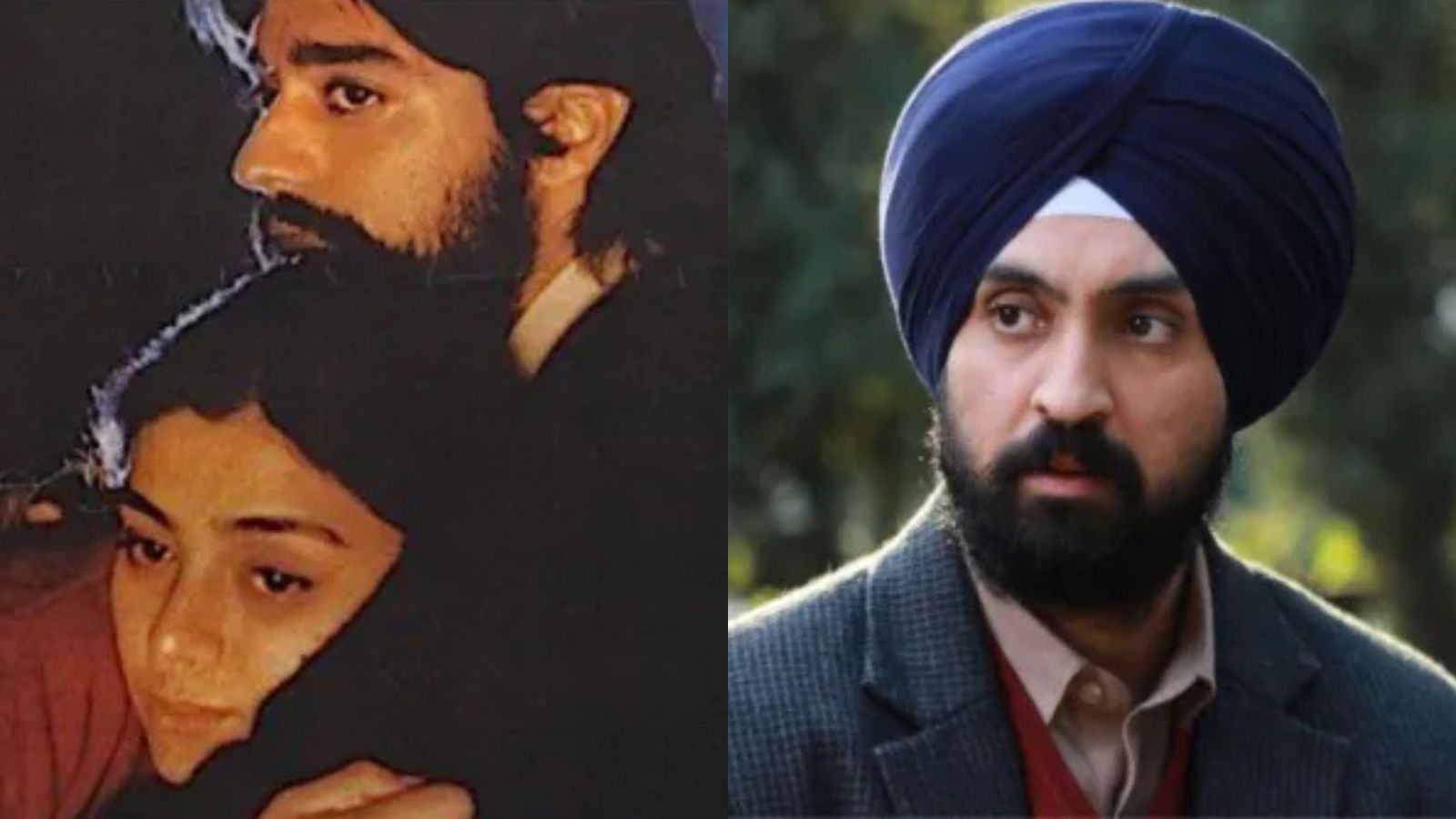
In October 1995, while Aditya Chopra’s Dilwale Dulhania Le Jayenge opened the door for Punjabi‑diaspora romance, Gulzar’s Maachis presented an unflinching portrait of injustice and armed resistance. The central query – “Who initiated militancy, the youth or the oppression they endured?” – echoed through Chandrachur Singh and Om Puri’s charged exchanges, compelling viewers to grapple with moral ambiguity. The film earned two National Film Awards, legitimising the cinematic exploration of 1984’s aftermath.
Commercial and Controversial Films
Bobby Deol’s Badal (2000) became the first mainstream revenge drama centred on a riot‑victim seeking justice after his family’s murder. It propelled the narrative into the commercial arena. Later, Hawayein (2003) set its story against the broader Delhi‑Punjab riots, confronting state‑level censorship that had eluded earlier works like Maachis and Badal. In 2005, Amu directly named politicians, prompting heavy cuts, yet it premiered at the Berlin International Film Festival and secured the National Film Award for Best Feature Film in English.
New‑Decade Turbulence
2013 saw the Shiromani Akali Dal (Badal) government ban Sadda Haq, alleging it glorified militants; the Supreme Court later lifted the ban. Diljit Dosanjh’s Punjab 1984 (2014) highlighted intra‑militant rivalry and police excesses, its soundtrack—especially the song “Rangroot”—still reverberates in promotional clips for Satluj. In 2015, the film Jinda Sukha received theatrical clearance, only to be rescinded days before its scheduled release, illustrating the volatile regulatory environment.
Recent Developments and Future Trajectory
Films like Toofan Singh (2017) and Chardikala (2026) are praised for their fact‑based storytelling and political gravitas. Punjabi critic Harpreet Singh Kahlon likens Satluj to Spielberg’s Munich and Schindler’s List, noting its meticulous research and emotional resonance. While Chardikala blends fictional elements, its investigative foundation remains strong. These works not only preserve collective memory but also challenge the limits of cinematic freedom, prompting renewed debate on the balance between art, history, and state control.
Overall, the cinematic chronicle of the 1984 riots continues to evolve, offering audiences a nuanced lens on a painful chapter while urging introspection on accountability and reconciliation.