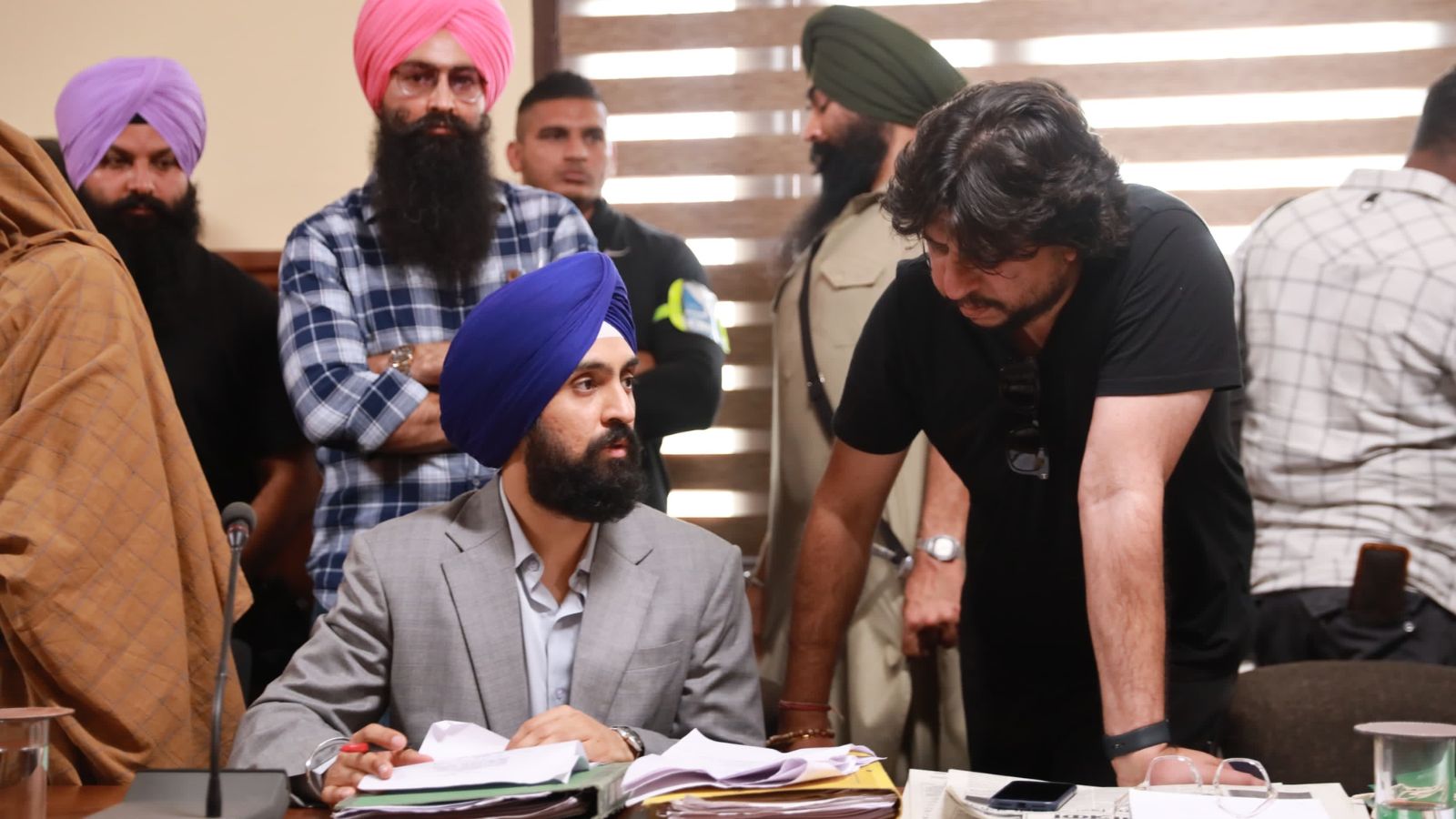
The film Satluj, released on Zee5 on July 3, was blocked across India within 48 hours. Director Honey Trehan likened the ban to a renewed ‘abduction’ of human‑rights activist Jaswant Singh Khalra.
Key Takeaways
- Satluj premiered on Zee5 on July 3 but was banned in India within 48 hours.
- Director Honey Trehan equated the ban to a second ‘abduction’ of Jaswant Singh Khalra.
- Government pressure, CBFC title changes, and platform strategy forced a silent release.
The Netflix‑derived filmmaker Honey Trehan brings to the screen the tragic story of human‑rights crusader Jaswant Singh Khalra in the drama Satluj. Khalra disappeared in 1995 after exposing police‑run mass killings during Punjab’s insurgency. The film, starring Diljit Dosanjh, was quietly launched on Zee5 on 3 July, with teasers released only after the premiere because producers repeatedly faced government intimidation.
Title Changes and Platform Decisions
Trehan explained that Zee5 initially suggested releasing the movie under the working title ‘Punjab ’95’. The director insisted on retaining the original name ‘Satluj’, a title already registered and approved by the Central Board of Film Certification (CBFC). When the CBFC asked to replace the initial title ‘Ghallughara’ (meaning genocide), Trehan offered alternatives – ‘Punjab ’95’ and ‘Satluj’ – but the latter had been on the slate from day one.
Government Reaction and Immediate Ban
Within two days of its debut, the film vanished from Zee5’s Indian catalogue and was subsequently pulled worldwide. Trehan described the experience as “heart‑breaking,” questioning whether India still upholds democratic values. He reminded the audience that 31 years ago Khalra was abducted and murdered by Punjab police, and today his story is being “abducted again” through censorship.
Official Rationale vs. Ground Realities
Authorities argued that the movie could be misused by “hostile” or separatist elements, potentially destabilising law and order in Punjab. Trehan refuted this, noting that the film has actually united Hindus and Sikhs in the state, with audiences watching together and sharing communal meals (langar). He argued that the real threat to public order lies in political hate speech, not a film that seeks to heal historical wounds.
Impact Beyond the Screen
Despite the ban, Satluj has morphed into a grassroots movement. Viewers continue to stream the film via VPNs, discuss its themes on social media, and host community screenings that emphasize peace and reconciliation. The controversy underscores a broader clash between artistic freedom and state‑sanctioned narratives in India’s largest democracy.