Over the past two months, Maharashtra’s health system has been rocked by a series of protests—from violence against doctors, chronic nurse shortages, to a heated debate over homeopathy bridge‑course registrations. These clashes expose deep systemic flaws that threaten patient care and staff safety.
Key Takeaways
- Multiple protests driven by safety, staffing, and regulatory issues
- Government nurses demand proper nurse‑patient ratios and vacancy fills
- Homeopathy bridge‑course registration sparks legal battles among medical bodies
Maharashtra’s healthcare sector has been in a state of constant unrest for the last two months, with incidents ranging from attacks on doctors, severe nursing shortages, to the latest row over homeopathy practitioners.
The first major flashpoint erupted in July when doctors and nurses at KDMC’s Shastrinagar Hospital in Dombivli were allegedly assaulted by Shiv Sena corporator Ramesh Mhatre and his supporters after a pregnant patient was diverted due to a full NICU. The incident triggered a statewide strike by resident doctors, nurses and the Indian Medical Association, suspending routine OPD services for 24 hours and demanding stricter enforcement of the Maharashtra law protecting healthcare workers.
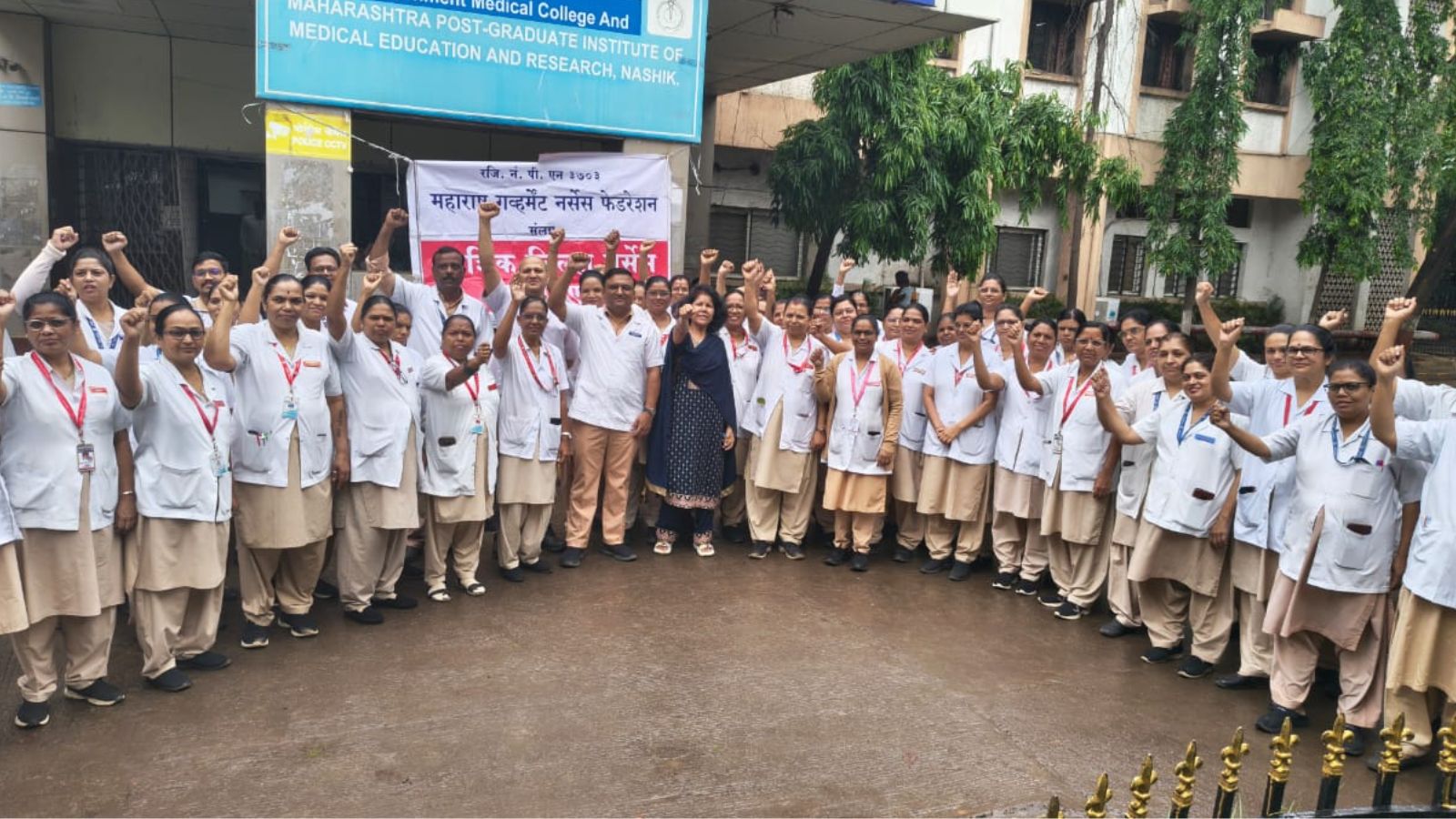
In early August, the Maharashtra Government Nurses Federation organized a two‑hour work boycott, citing chronic staff shortages and the failure to implement the Indian Nursing Council’s prescribed nurse‑to‑patient ratios. Despite a government resolution in June 2025 promising phased staffing norm implementation, hospitals continue to operate with large vacancies, overburdening existing staff and compromising patient care.
The latest confrontation centers on the Maharashtra government’s move to operationalise a provision of the 2014 Maharashtra Homoeopathic Practitioners and Maharashtra Medical Council (Amendment) Act. The law allows BHMS practitioners who complete the Certificate Course in Modern Pharmacology (CCMP) to prescribe specific allopathic medicines and be registered under a separate MMC register. Allopathic bodies such as the IMA and MARD argue that this blurs the distinction between MBBS doctors and bridge‑course practitioners.
Why This Matters
BozokMedia analysis shows that these recurring protests highlight deep‑seated governance gaps in Maharashtra’s health sector, where ad‑hoc policy tweaks fail to address chronic staffing shortages and regulatory ambiguities, ultimately compromising patient safety.
"The repeated disruptions reveal systemic gaps that cannot be solved by ad‑hoc policies."
Frequently Asked Questions
Q1: What is at the core of the homeopathy bridge‑course controversy?
A: Critics fear that registering CCMP‑qualified practitioners under the same regulator as MBBS doctors will confuse patients about qualifications and scope of practice.
Q2: What are doctors and nurses demanding from the government?
A: They seek stricter enforcement of safety laws, implementation of proper staffing standards, rapid filling of vacant posts, and adherence to prescribed nurse‑patient ratios.