A Mumbai garment trader ran a VVIP railway ticket racket for two years, finally exposed after the Raj Bhavan was renamed Lok Bhavan. Hundreds of passengers and several railway officials were duped in the scheme.
Key Takeaways
- Name change exposed the scam
- Thakkar forged letters to secure tickets
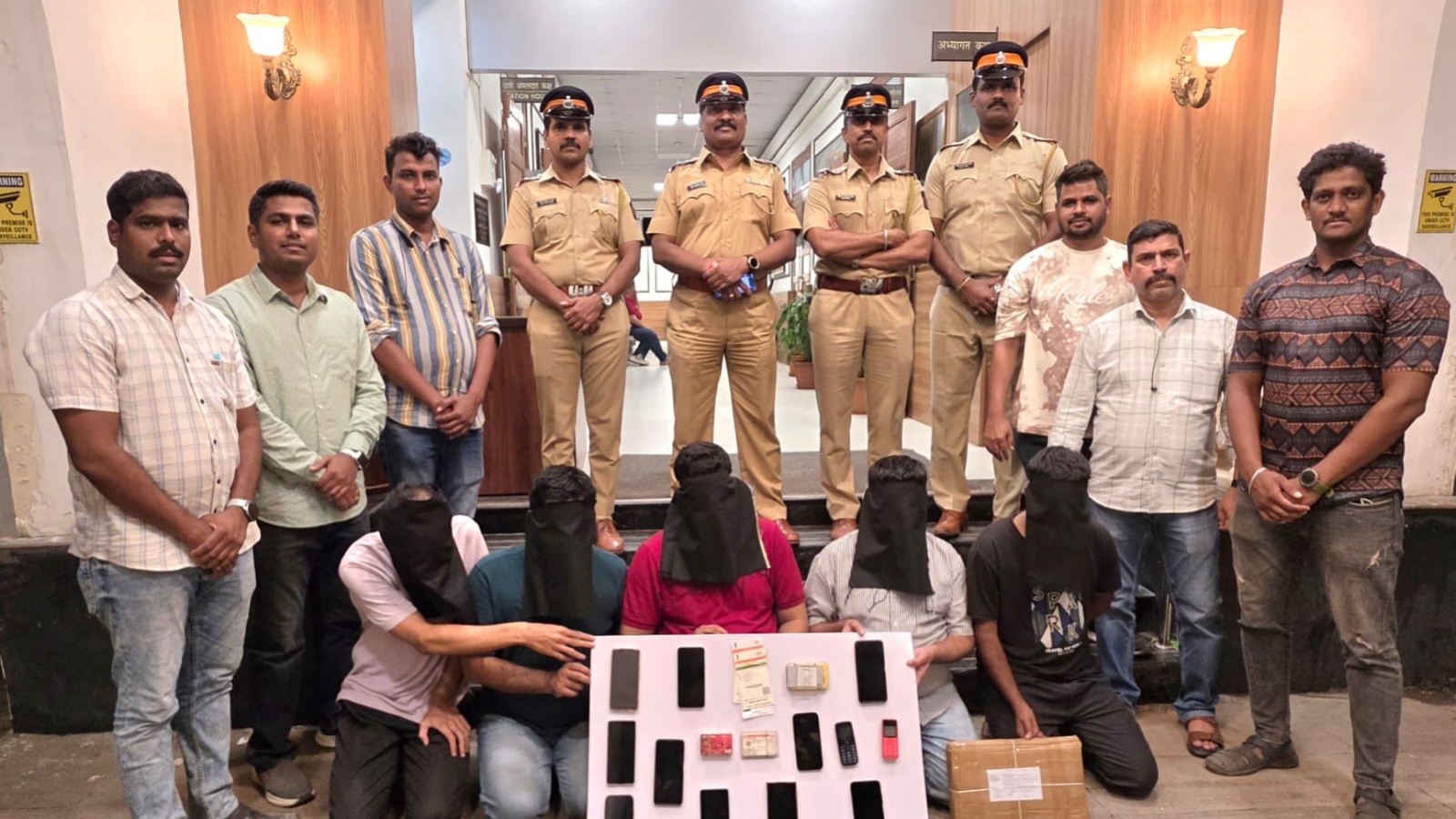
- Police arrested seven suspects
How the Scam Operated
Amrish Thakkar, a garment businessman from Ghatkopar, turned to VVIP ticket bookings after his business collapsed during the Covid‑19 pandemic. Initially he charged about ₹200 per ticket as a commission, using genuine VIP quota requests.
Impact of the Address Change
In January 2026, the Ministry of Home Affairs directed the renaming of Raj Bhavan to Lok Bhavan. Thakkar continued to use the outdated Raj Bhavan letterhead for forged recommendation letters. This inconsistency caught the attention of Central Railway officials in February 2026, leading to a verification request.
Investigation and Arrests
When the forged letters reached the Governor’s office, the ADC instantly recognized the counterfeit letterheads, signatures, and stamps. Lok Bhavan alerted Central Railway, and police launched a sweep that resulted in the arrest of Thakkar, his brother Sagar, and five accomplices: Tariq Khan, Deepak Kumar Yadav, Vinay Rawat, Shatrunjay Yadav, and Akash.
Historical Background
The renaming of Raj Bhavan was part of a nationwide effort to shed colonial-era nomenclature. Such administrative updates often bring legacy documents under scrutiny, inadvertently exposing fraudulent activities that rely on outdated formats.
Why This Matters
BozokMedia analysis shows that loopholes in quota verification and reliance on paper documentation create fertile ground for large‑scale fraud. Strengthening digital verification can curb future abuses of privileged travel quotas.
A railway security analyst noted, “Such scams persist as long as oversight gaps exist.”
Frequently Asked Questions
Question 1: Can renaming government offices prevent similar scams?
Answer: Renaming alone cannot stop fraud, but it forces tighter document verification processes.
Question 2: How many individuals were arrested in the operation?
Answer: Seven people were taken into custody, including the mastermind and his key associates.