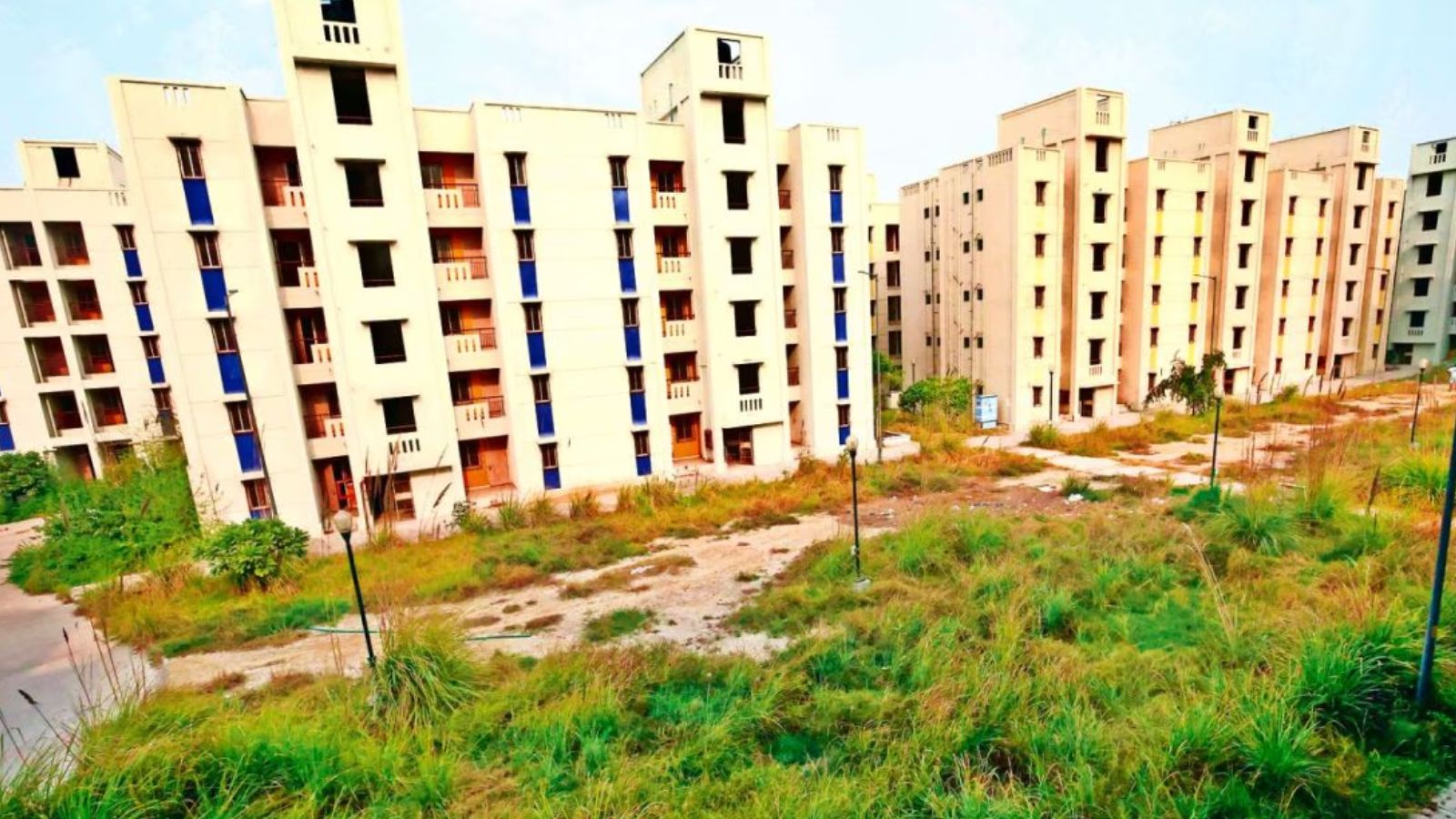
The Delhi Master Plan 2047 aims to address the city's housing crisis by proposing 40 lakh additional homes, focusing on affordable small flats and enhanced rental housing options.
Key Takeaways
- Delhi requires approximately 40 lakh additional homes by 2047.
- Emphasis on small, affordable units (25-60 sq m carpet area).
- Land pooling and TOD zones could provide 30 lakh units.
- Incentives for student hostels, worker dormitories, and rental housing.
New Delhi: In a major move to reshape the capital's urban landscape, the much-anticipated Delhi Master Plan 2047 has outlined a massive requirement for 40 lakh additional homes. Driven by rapid population growth and the trend of smaller household sizes, the plan seeks to bridge the widening gap between housing demand and supply.
A cornerstone of this strategy is the focus on affordable housing. To maximize scarce land, the plan encourages developers to build compact homes ranging from 25 to 60 square meters. BozokMedia analysis shows that this shift toward high-density, smaller-format living is essential for sustaining the economic vitality of a mega-city like Delhi.
Why This Matters
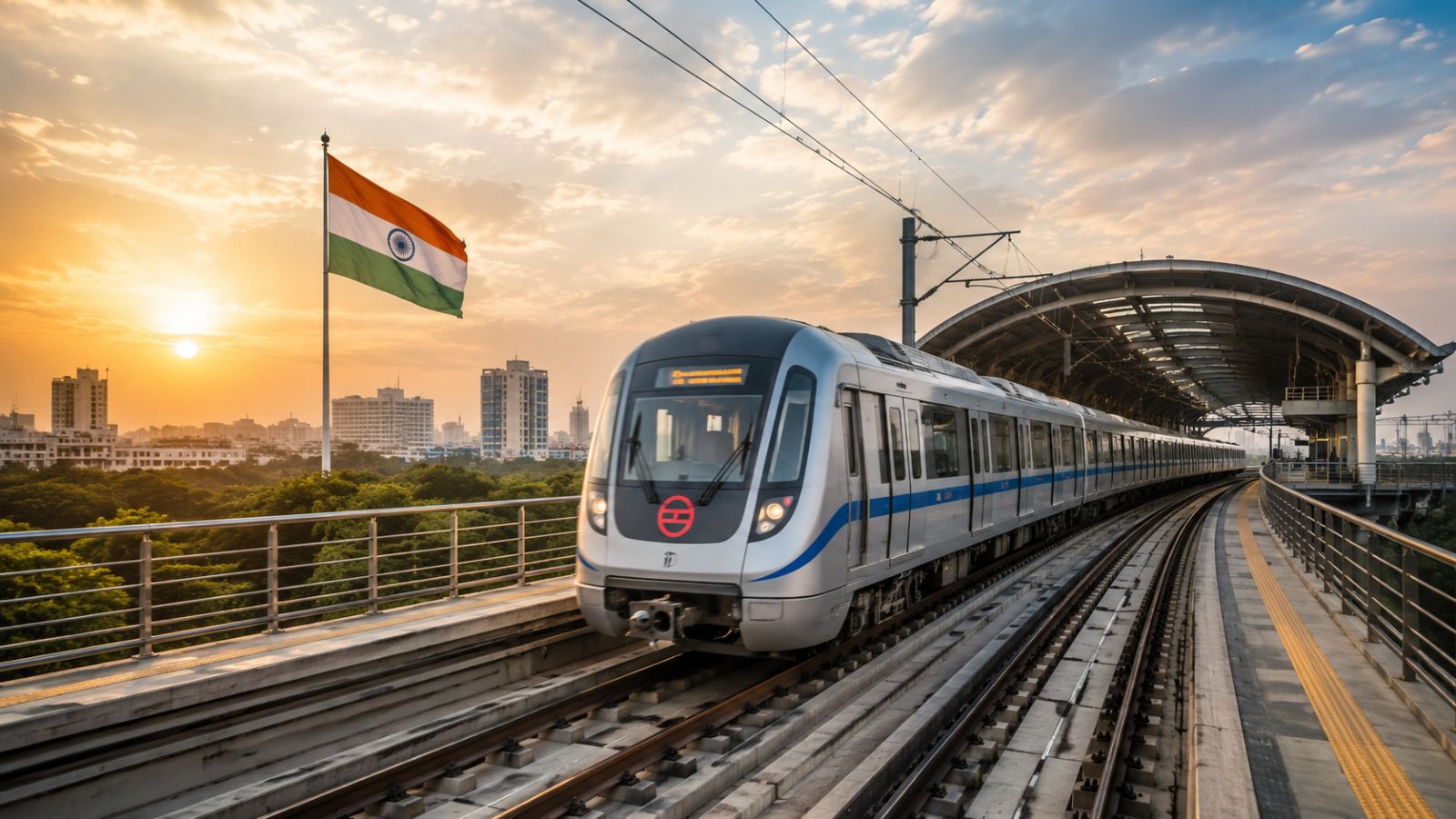
The housing shortage in Delhi isn't just about numbers; it's about livability. By focusing on Transit-Oriented Development (TOD) around Metro stations and implementing land-pooling schemes, the government aims to create integrated living spaces. This approach is expected to generate nearly 30 lakh housing units, ensuring that residents live close to their workplaces and transport hubs.
The integration of affordable rental models with mass transit is the only sustainable way to manage Delhi's urban sprawl.
Furthermore, the plan addresses the socio-economic fabric of the city by proposing incentives for private developers to build hostels for students and shared accommodations for laborers. It also tackles the issue of unauthorised colonies by proposing regeneration projects that will improve road networks, open spaces, and emergency vehicle accessibility.
Frequently Asked Questions
1. How will the plan address the issue of slums?
The plan proposes in-situ rehabilitation for notified JJ clusters where feasible, or relocation to vacant Economic Weaker Section (EWS) housing.
2. What is Transit-Oriented Development (TOD)?
TOD is a strategy to create high-density residential and commercial zones around major public transport hubs like Metro stations to reduce commute times.