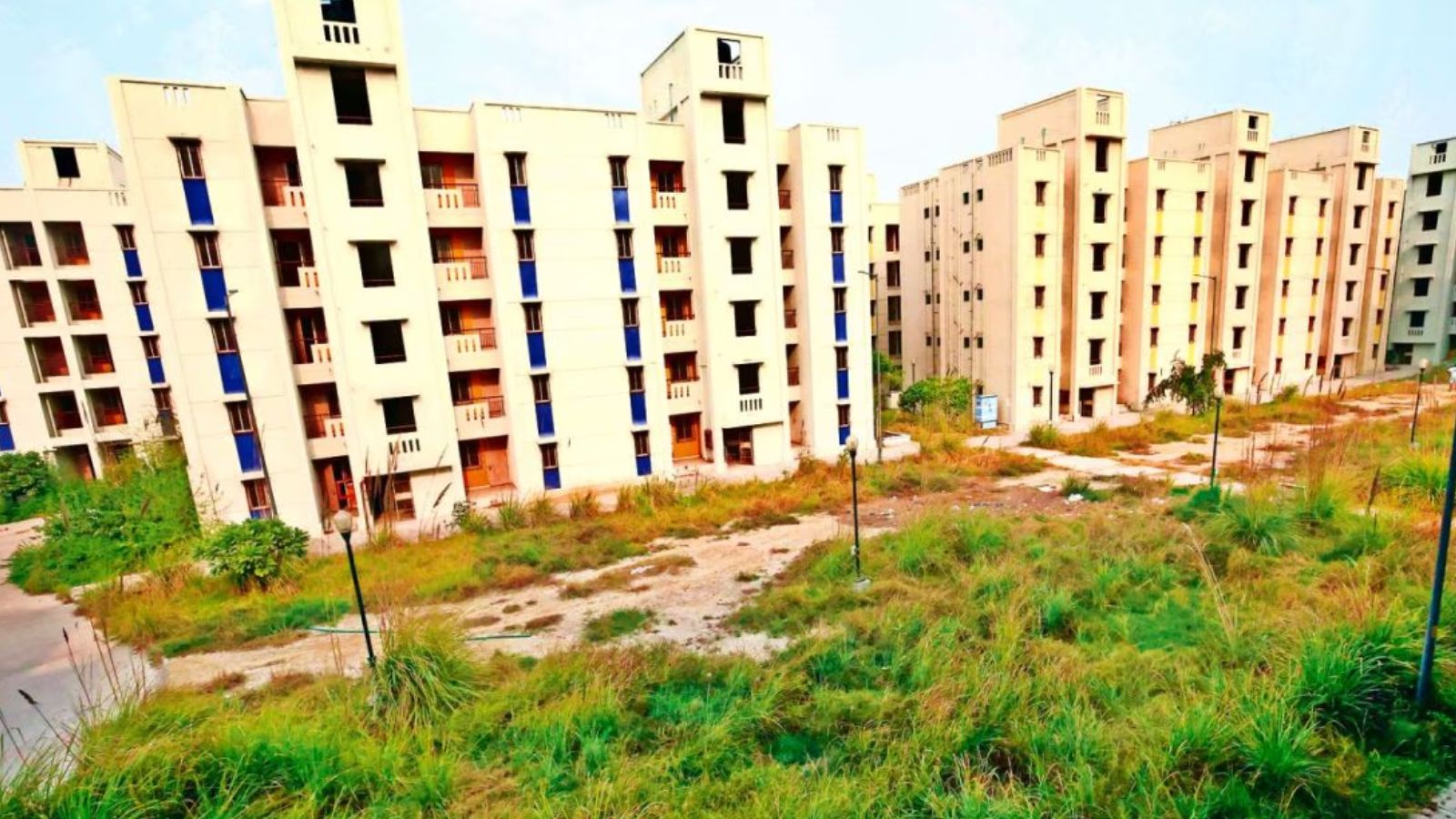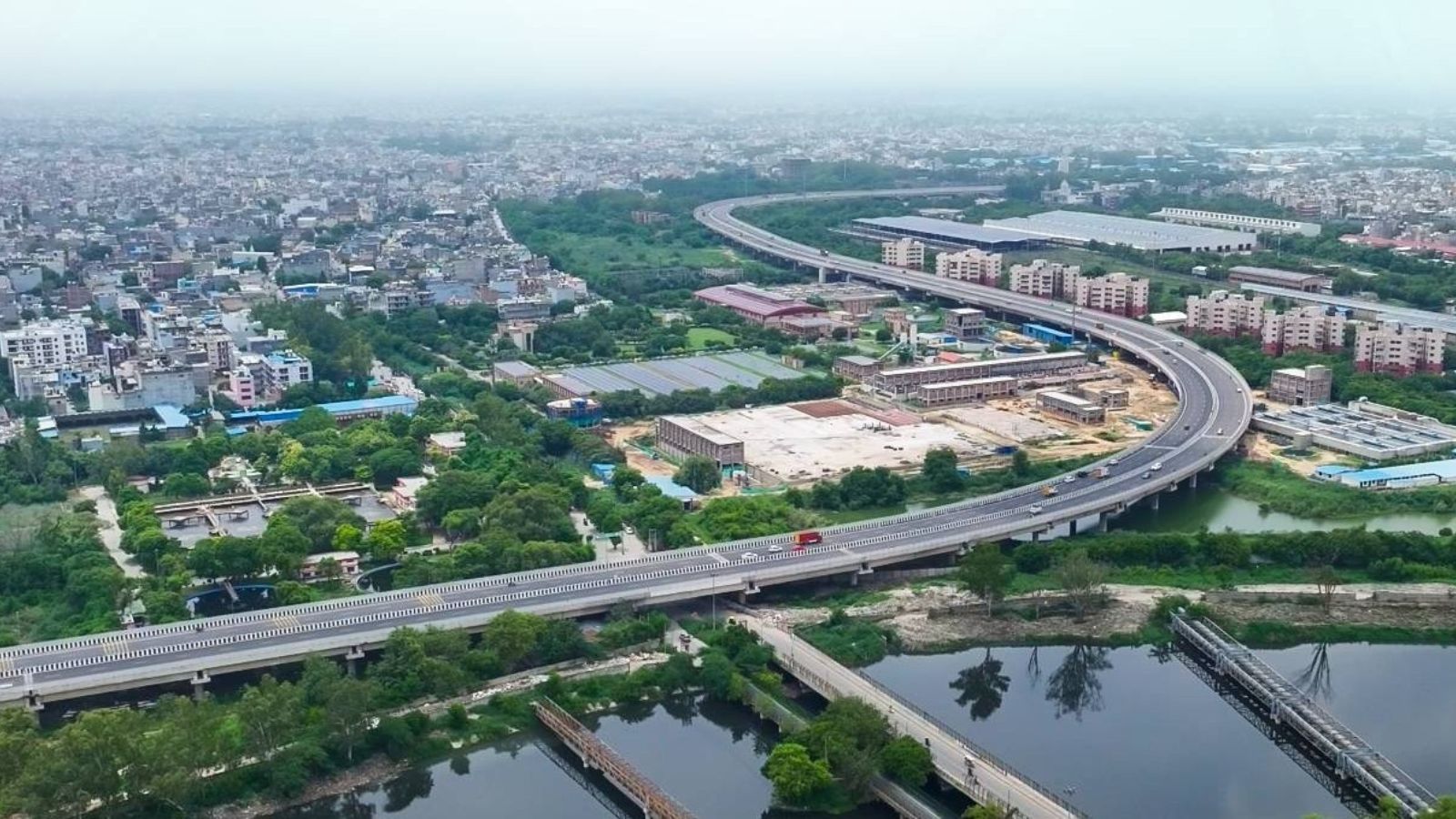
Under the Master Plan for Delhi (MPD) 2047, a new High-Density Corridor is proposed along UER-II, allowing for 10-story buildings and integrated mixed-use developments.
Key Takeaways
- A 250-meter wide High-Density Corridor (HDC) is proposed on both sides of UER-II.
- Buildings can reach up to 10 floors with a Floor Area Ratio (FAR) of up to 400.
- 20% of the permissible FAR must be dedicated to affordable housing.
- The policy promotes a 'vertical mix' of residential and commercial uses.
Delhi is poised for a massive urban transformation. As part of the Master Plan for Delhi (MPD) 2047, a new High-Density Corridor (HDC) is proposed along the Urban Extension Road-II (UER-II). This 75-km corridor, which connects the national capital to Haryana, is set to become a hub for high-rise living and integrated commercial spaces.
The proposed policy aims to optimize land use and promote sustainable, walkable urban growth. Under the HDC framework, eligible plots in specific planning zones will be allowed a Floor Area Ratio (FAR) of up to 400. This enables developers to construct buildings up to approximately 10 floors, provided they adhere to ground coverage regulations. This move is designed to reduce travel demand by bringing workplaces and residences closer together.
Why This Matters
BozokMedia analysis shows that this strategic shift toward high-density development is essential to combat Delhi's land scarcity and rising population pressure. By leveraging the UER-II infrastructure, the city can create a more efficient, transit-oriented urban model that minimizes long-distance commuting.
High-density, mixed-use corridors are the future of sustainable metropolitan growth and infrastructure optimization.
Participation in this scheme is voluntary for landowners. To qualify, owners must surrender 50% of their original plot area to the Delhi Development Authority (DDA) for public facilities and road widening. In exchange, they receive the benefit of higher FAR, allowing for a 'vertical mix' where residential and non-residential activities can coexist within the same development.
Historical Background
For decades, Delhi's growth has been dictated by its ring roads and arterial highways. The development of UER-II, often referred to as Delhi's third Ring Road, represents a significant leap in connecting the NCR region more seamlessly, and the MPD 2047 seeks to capitalize on this connectivity.
Frequently Asked Questions
1. Does this apply to heritage or defense areas?
No, the HDC rules will not apply to environmentally sensitive areas, heritage sites, or cantonment/defense zones.
2. What is the mandate for affordable housing?
The policy mandates that 20% of the permissible FAR be utilized for affordable housing units with a carpet area of less than 60 square meters.