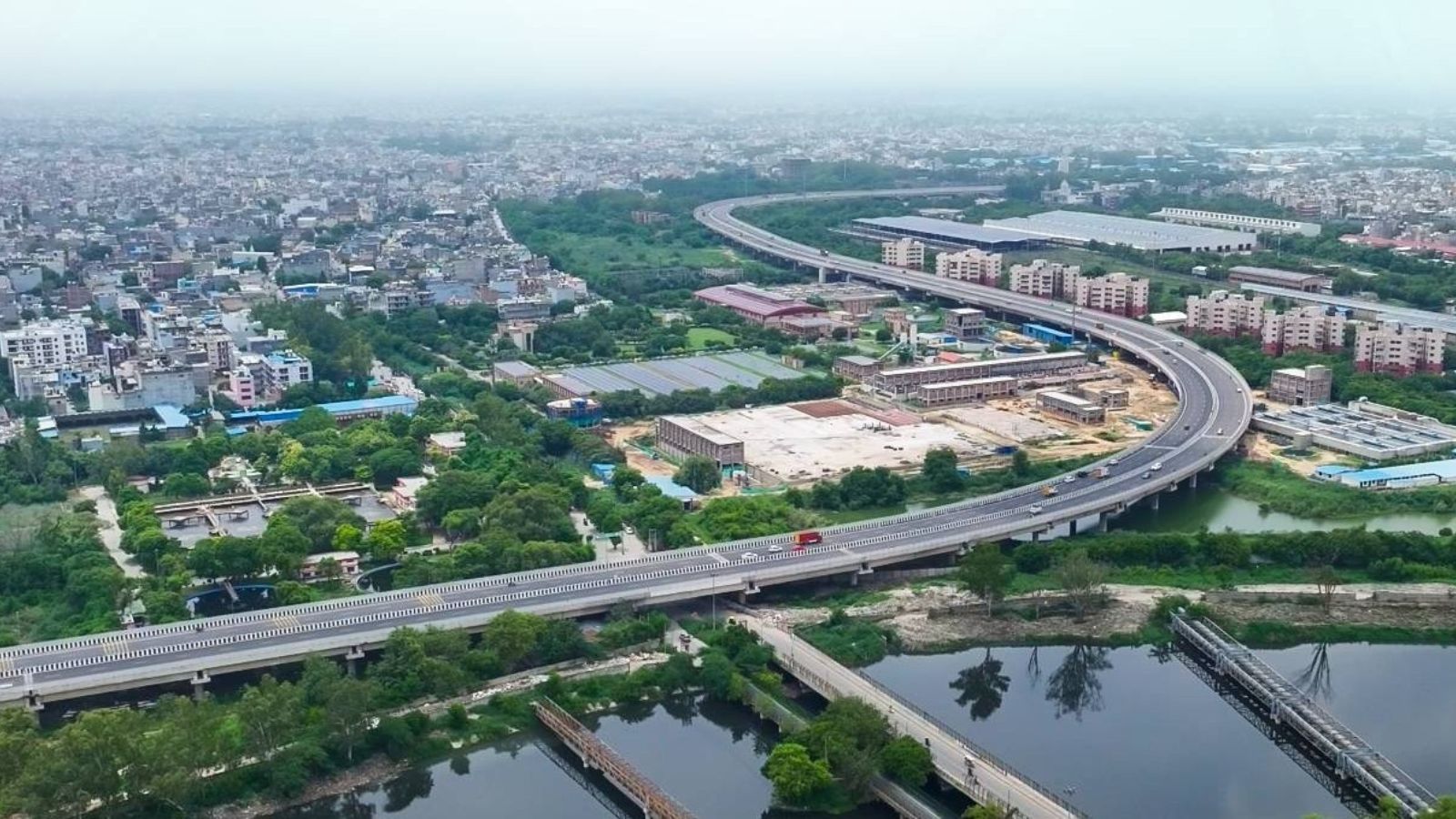
Delhi and Haryana are tackling a 30 % loss in Yamuna water supply by launching joint surveys, planning a new 1,000‑cusec pipeline, and rolling out a six‑point action plan to curb river frothing and pollution.
Key Takeaways
- Delhi receives only 230 cusecs after a 30 % loss.
- Joint survey planned to assess a 1,000‑cusec pipeline.
- Six‑point action plan targets Yamuna frothing and pollution.
Despite Haryana supplying 330 cusecs of drinking water daily through the Munak Canal, Delhi records a net receipt of just 230 cusecs due to a 30 % conveyance loss, officials said.
To address the chronic leakage, the Delhi Jal Board and Haryana Irrigation Department have convened three meetings focusing on the repair and lining of the Delhi Sub‑Branch (DSB) canal, the primary conduit originating in Haryana.
| Parameter | Value (cusecs) |
|---|---|
| Water released by Haryana | 330 |
| Water received by Delhi | 230 |
A senior official revealed that the Delhi Chief Secretary has written to his Haryana counterpart seeking a joint survey to determine the feasibility of constructing a new 1,000‑cusec pipeline.
Why This Matters
BozokMedia analysis shows that reducing conveyance loss could secure an additional 100 cusecs for Delhi, easing pressure on the capital’s strained water infrastructure and improving public health.
“Investing in canal lining and modern monitoring can cut losses by up to 20 % within two years,” says water‑resource expert Dr Amit Sharma.
Frequently Asked Questions
Q1: What is the expected timeline for the new pipeline?
A: The detailed project report is being prepared, with construction likely to begin in early 2027.
Q2: How will the six‑point plan reduce river frothing?
A: By redesigning the Okhla barrage, removing waste, and clearing invasive vegetation, the plan aims to lower organic load and surface tension.