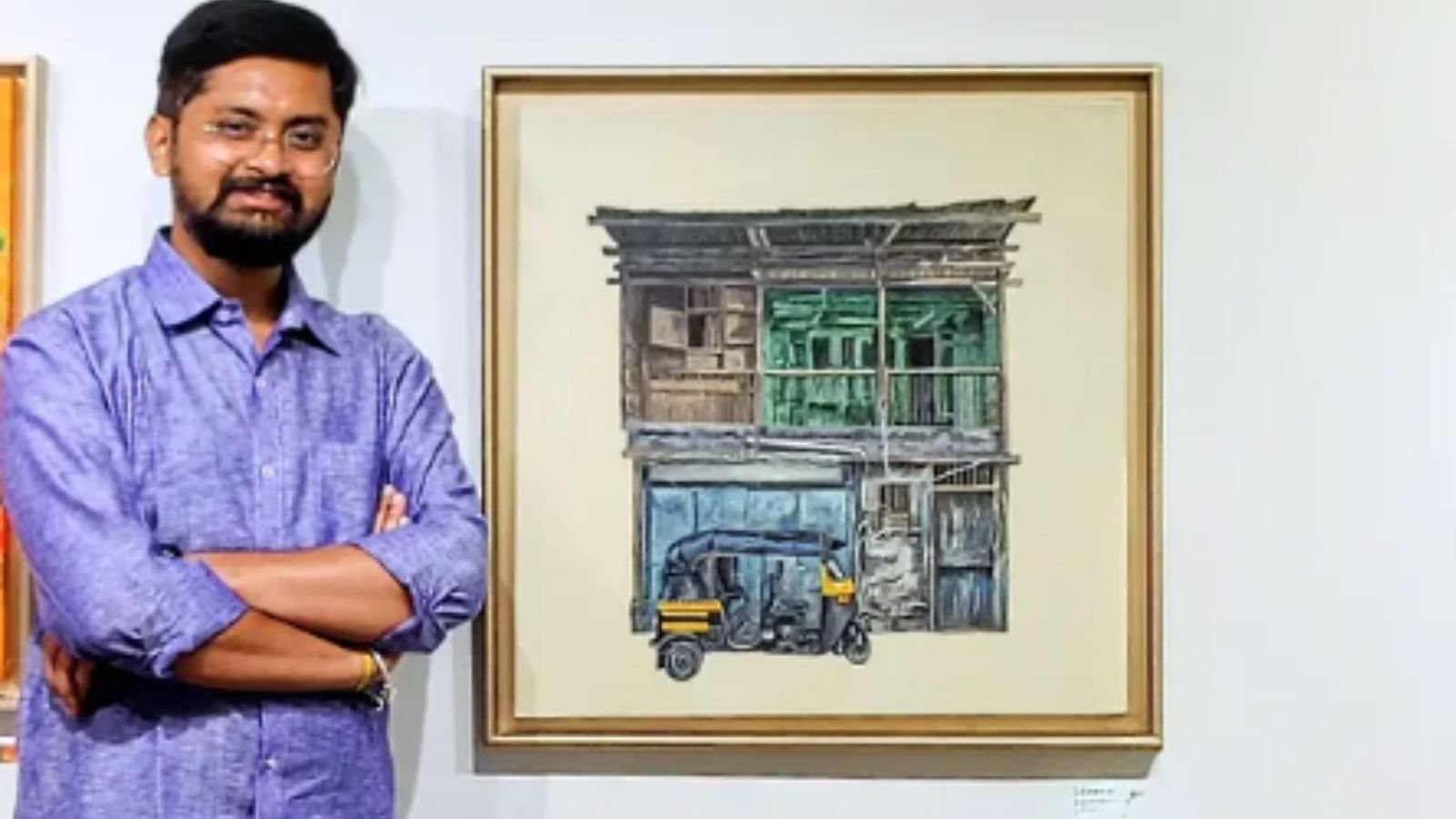
Artist Charudutt Pande is dedicated to documenting Pune's historic 'Wadas' through his paintings before they are lost to modern redevelopment. He treats these architectural marvels as living personalities rather than mere structures.
Key Takeaways
- Charudutt Pande is using art to document Pune's decaying historic 'Wadas'.
- He views architectural structures as living 'portraits' with distinct personalities.
- Rapid urbanization and commercial redevelopment threaten these cultural landmarks.
Pune-based artist Charudutt Pande made a solemn vow to himself: he would paint the historic 'Wadas' of Pune before they crumbled into dust or were replaced by the glass-and-granite monotony of modern commercial buildings. For Pande, these traditional courtyard houses are not just structures; they are repositories of stories and history.
Stepping into a Wada often feels like a journey through time. Pande describes the experience of entering these narrow, shadowy passages that open into sun-drenched courtyards, filled with the scent of nostalgia and the intricate beauty of carved wooden pillars. However, as the roar of modern traffic grows louder outside, these quiet eras are slowly turning to ruin inside.
Why This Matters
BozokMedia analysis shows that as cities expand, the loss of architectural heritage leads to a dilution of cultural identity. Pande’s work serves as a vital visual archive, capturing the soul of Pune's social ecosystem before it is demolished by the pressures of real estate redevelopment.
"I paint the wadas like portraits. I remove them from their surroundings and bring them alive as different personalities." — Charudutt Pande
Pande's journey from a struggling student to a profound chronicler of the unnoticed is remarkable. Having previously focused on portraits of ordinary people—cobblers, street vendors, and rickshaw drivers—he has now turned his lens toward the structures that housed them. He captures the contrast between the former prosperity of these grand houses and their current state of neglect.
Historical Background
Traditionally, Pune's Wadas were more than just residences; they were complex social ecosystems. These large courtyard houses facilitated community living, where festivals, meals, and social interactions occurred within a shared architectural space, fostering deep-rooted community bonds.
Frequently Asked Questions
1. What is a 'Wada'?
A Wada is a traditional large courtyard house characteristic of Maharashtrian architecture, common in historic Pune.
2. Why is Pande painting them now?
He aims to document them before they are destroyed by rapid urban redevelopment and commercialization.


