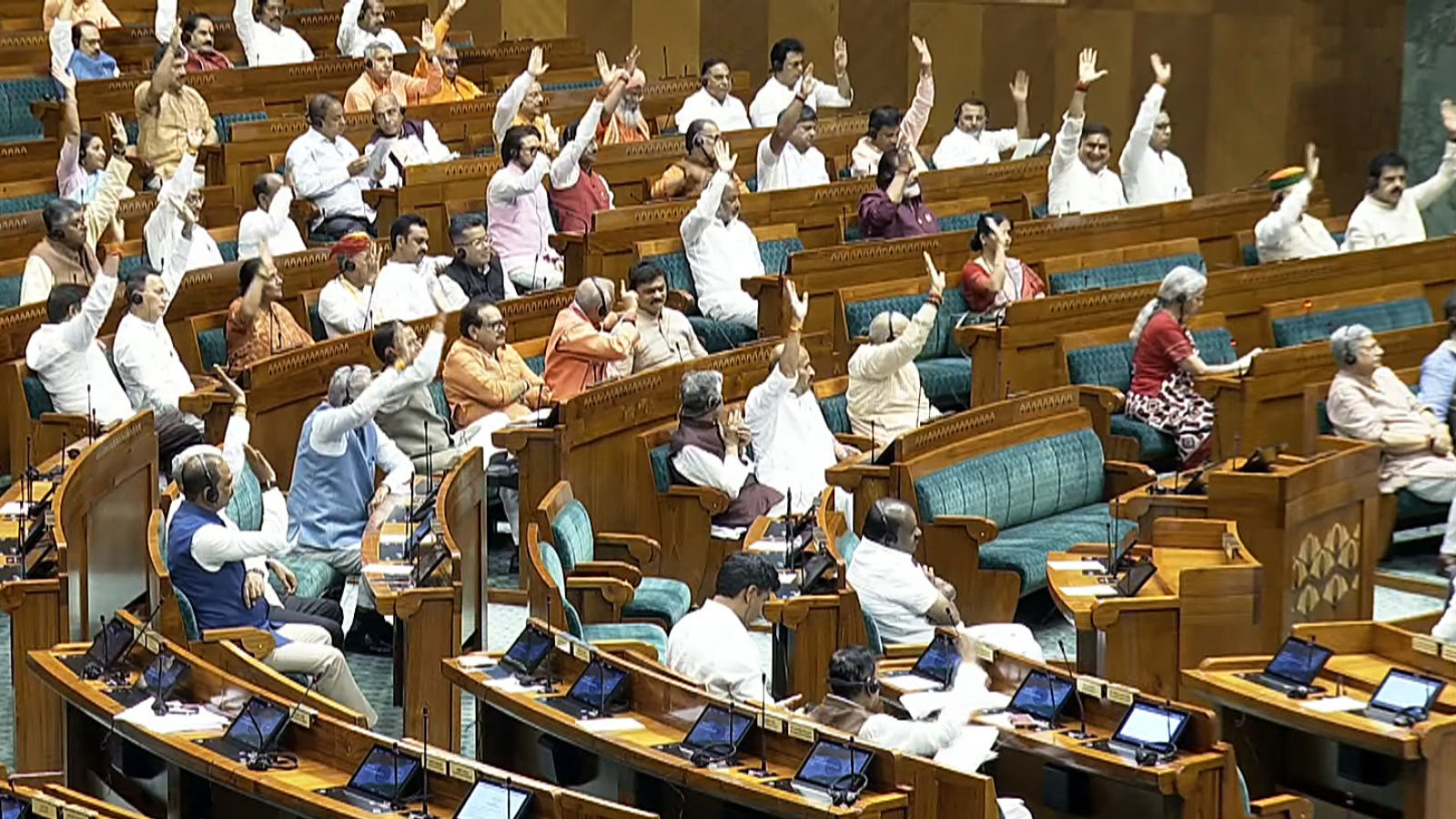
Shashi Tharoor labels the proposed Foreign Contribution (Regulation) Amendment Bill as a tool for control, not transparency. The legislation could slash foreign funding for NGOs by up to 87%, jeopardising the autonomy of long‑standing institutions, especially Christian charities in Kerala.
Key Takeaways
- The new FCRA bill expands government control over NGOs
- Foreign funding has already fallen 87%
- Civil society assets and constitutional rights face serious threats
The Foreign Contribution (Regulation) Amendment Bill, 2026, reintroduced in the Lok Sabha for the Monsoon Session, marks a dangerous escalation in the centralisation of executive power in India. Framed as a transparency measure, the government instead redefines NGOs, think‑tanks and human‑rights groups as potential conduits of foreign subversion.
Key provisions include a ban on sub‑granting to grassroots bodies, a sharp cut in allowable administrative expenses, and a requirement that all foreign inflows be routed through a single bank branch in New Delhi. These constraints have already triggered an 87 % plunge in foreign donations, forcing thousands of secular and community‑based organisations to shut their doors.
As a Kerala MP, Tharoor highlights the impact on Christian‑run trusts, hospitals, schools and welfare NGOs that have served marginalized populations for over a century. These institutions rely on a mix of local contributions, domestic fees and foreign grants. Under the bill, a suspended or cancelled FCRA licence would transfer their assets to a centrally appointed Designated Authority, allowing the state to seize, manage and eventually sell the property, even if only part of the funding was foreign.
Historical Background
The original FCRA of 1976 aimed to bring transparency to foreign donations while safeguarding national security. Subsequent amendments have allowed NGOs to operate with financial accountability. However, over the past two decades, successive governments have increasingly used the act as a political lever, raising concerns about the erosion of civil‑society space.
Why This Matters
BozokMedia analysis shows that weakening NGOs undermines India’s social safety net and can erode constitutional guarantees of property rights and religious freedom. If passed, the bill threatens not only institutional autonomy but also broader social development.
"This legislation attacks the very foundation of democratic accountability by turning financial oversight into a tool of suppression." – Dr. Anita Sharma, constitutional law expert
Frequently Asked Questions
Can NGOs legally challenge this bill? Yes, they can file writ petitions under Article 226 of the High Courts or Article 32 of the Supreme Court to contest violations of property and equality rights.
Is the impact limited to Kerala? No, the bill applies nationwide and would affect all registered non‑profit entities across India.