An analytical exploration of the stark divide between the articulate, protesting youth of urban India and the struggling gig workers who power the city's convenience.
- There is a profound disconnect between the 'visible' Gen Z (students/activists) and the 'invisible' Gen Z (gig workers/laborers).
- Digital technology has democratized the 'capacity to aspire' but not the 'capacity to achieve.'
- The gig economy replaces long-term security with the illusion of entrepreneurship, creating a precarious future.
The recent protests at Jantar Mantar showcased a photogenic version of Gen Z: articulate, angry, and digitally savvy. These young individuals understood that a 15-second clip could outlive a 15-page manifesto, and that irony travels further on Instagram than ideology. They represented a generation refusing to 'wait their turn,' capturing the internet's imagination with their boldness.
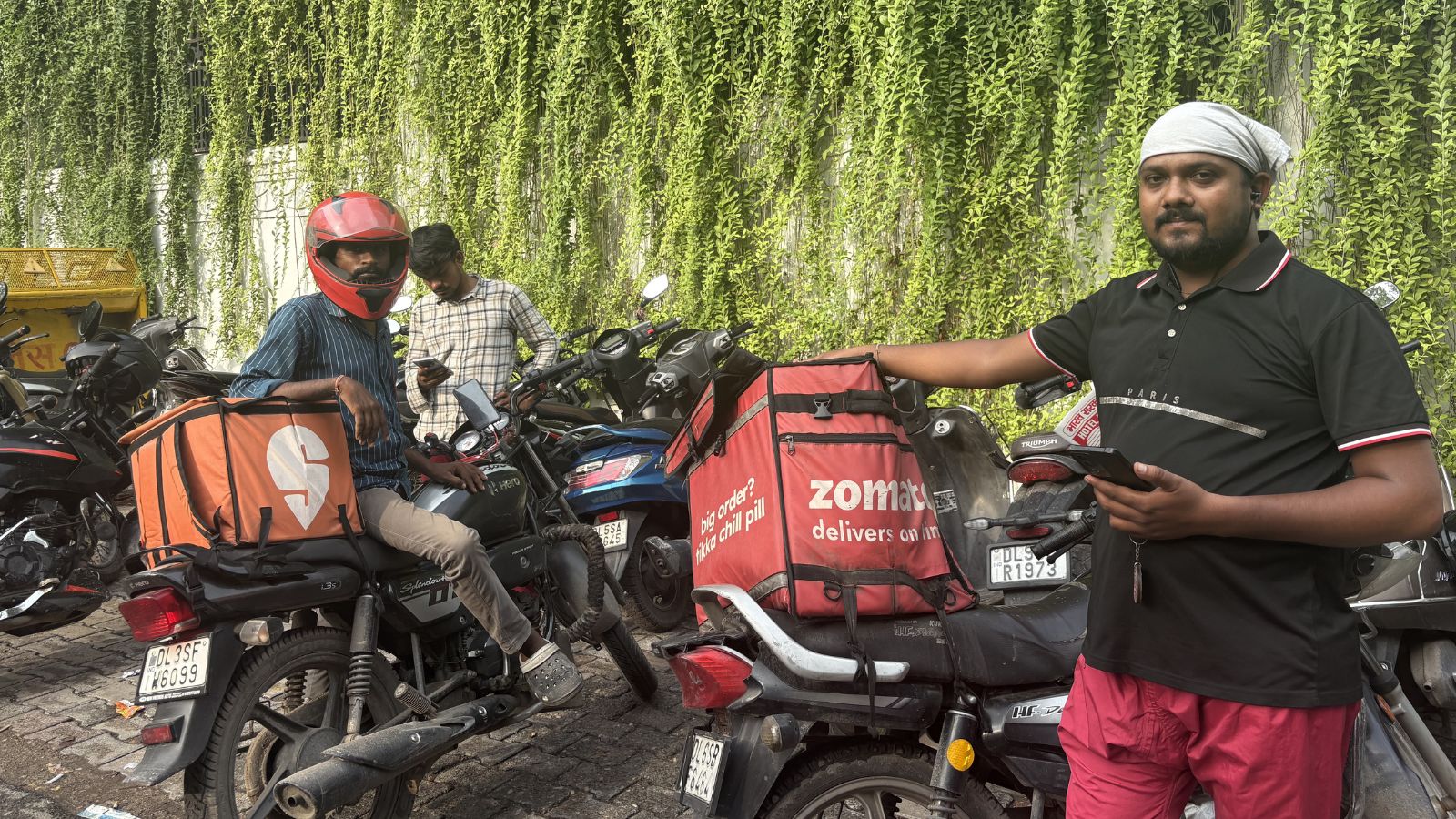
However, there was another segment of Gen Z missing from those photographs. This youth was likely delivering dinner to the very people watching the protest on their screens. He is 22, riding a motorcycle financed by debt, and labeled a 'partner' by an app that can deactivate him without a human conversation. His office is the open road, his boss is a star rating, and his incentives rise only when the weather worsens, pricing his risk higher than his labor.
Why This Matters
BozokMedia analysis shows that the term 'Gen Z' is an oversimplification. It assumes a liberal-arts student in Delhi and a warehouse packer in Gurugram share a meaningful bond simply because of their birth year. In reality, they share visibility without access. While India has solved the problem of access to high-end knowledge (like free Stanford lectures), it has failed to solve the problem of access to dignified employment.
The smartphone has abolished the 'rationing of comparison.' Historically, a farmer compared himself to the local landlord. Today, through an algorithm, a farmhand in Bihar compares his daily life with a Dubai influencer or a Silicon Valley engineer. This expansion of the 'reference group,' as described by sociologist Robert Merton, makes exclusion feel more intimate and personal.
"Desire travels at 5G speed, but social mobility still takes the passenger train."
For two decades, India has touted its 'demographic dividend' as an automatic asset. However, a young population is more akin to a loan—capital advanced against a future that must be built to repay it. When education does not lead to a career and work does not accumulate into security, this loan defaults. The platform economy accelerates this by removing the mechanism of seniority and replacing it with the language of 'autonomy.'
When the economic route to status narrows, youth seek dignity elsewhere. This void is often filled by symbolic status: religious identity, hyper-masculinity, or online tribalism. A young man who cannot control his delivery algorithm may seek absolute certainty in an online echo chamber. A society that fails to provide ladders of mobility will inevitably see its youth climb walls of ideology instead.
Frequently Asked Questions
Q1: Why is the gig economy described as 'elegant cruelty'?
A: Because it uses the language of empowerment ('partner', 'entrepreneur') to mask a lack of benefits, job security, and fair wages.
Q2: How does the 'capacity to aspire' differ from the 'capacity to navigate'?
A: Aspiring is wanting a better life (fueled by the internet), while navigating is having the networks, capital, and mentorship to actually achieve it.