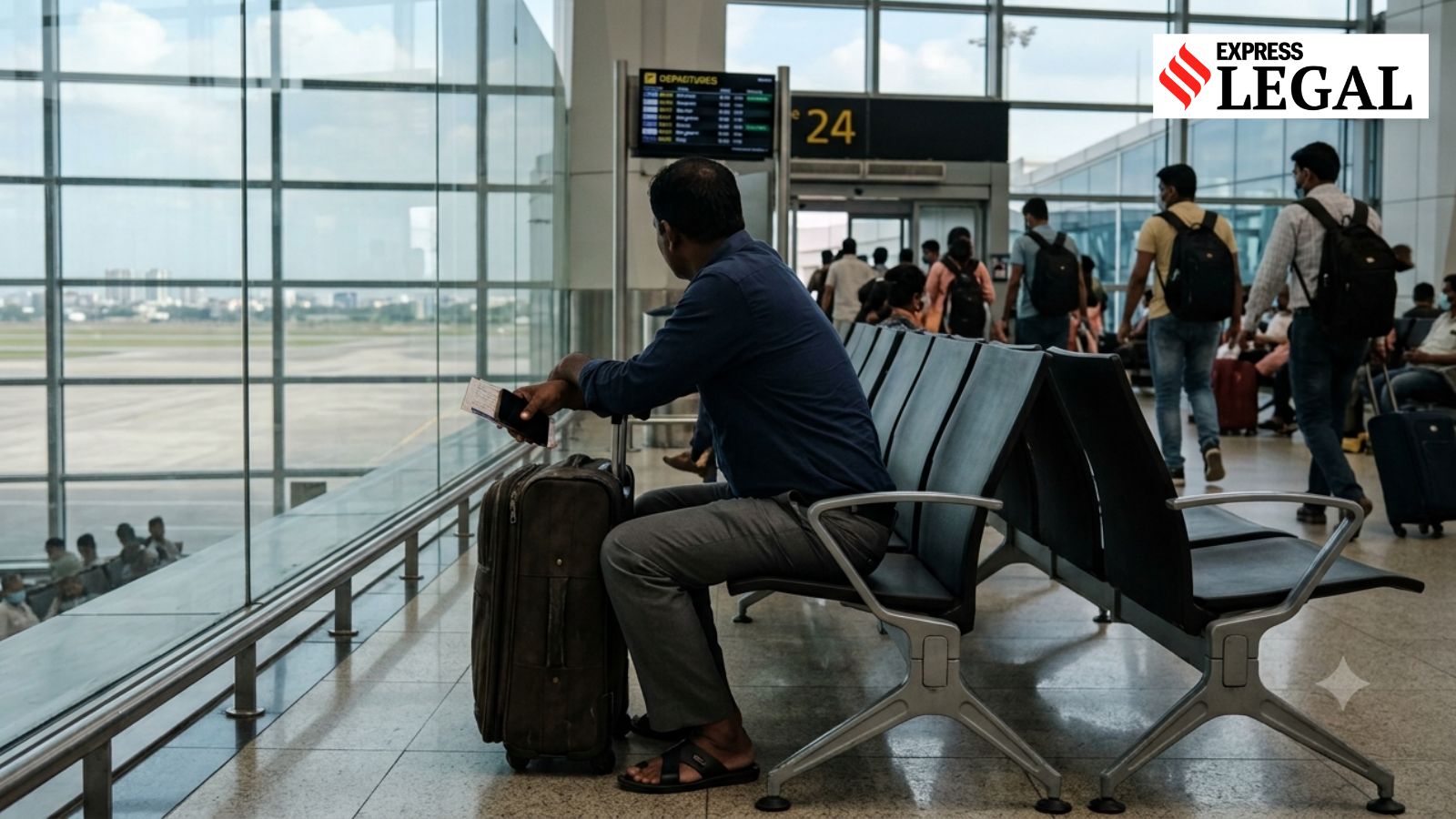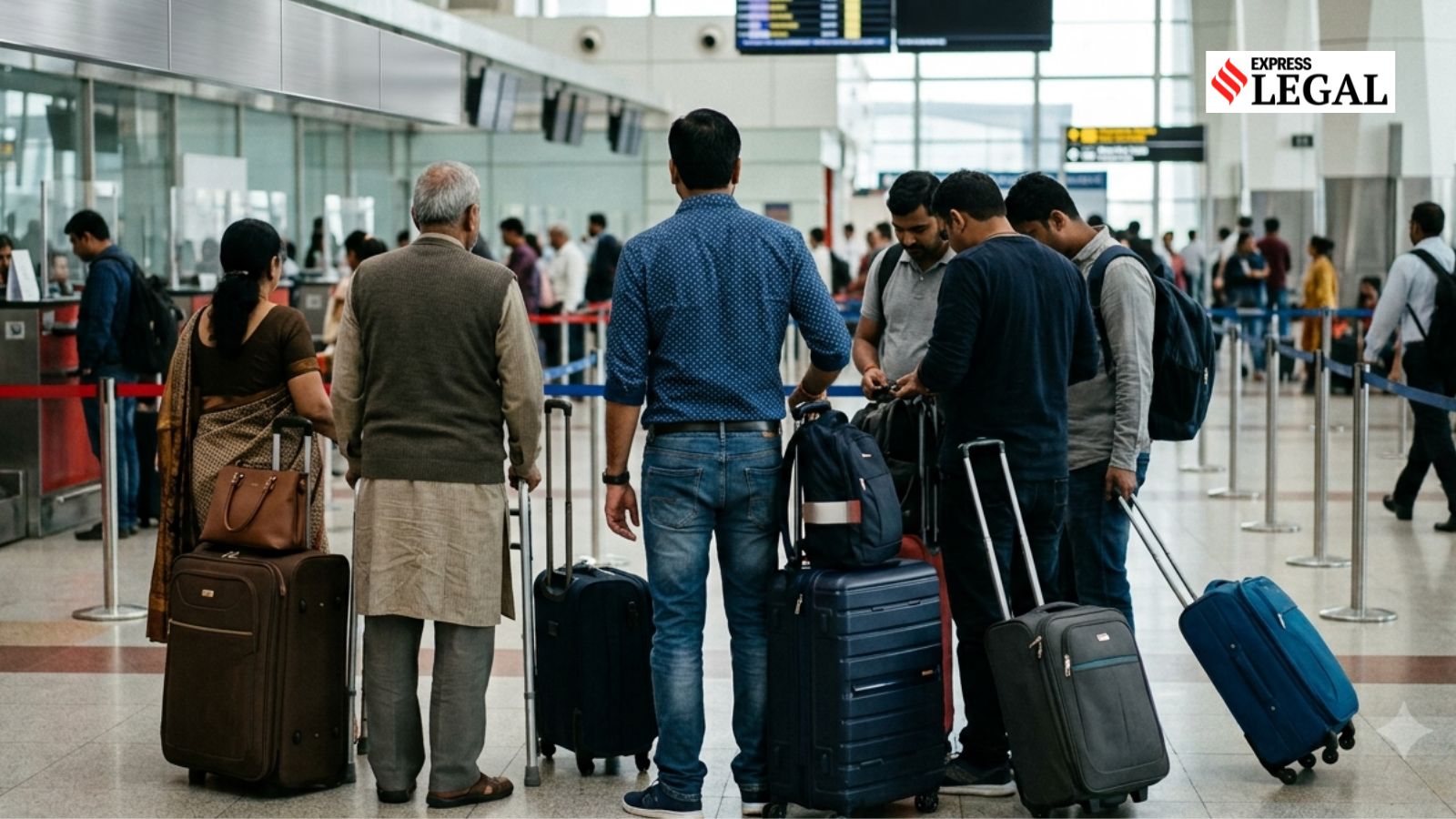
A Chhattisgarh consumer commission has directed an airline to pay ₹1.82 lakh to a passenger after they lost three bags that were left behind at the airline's request. The court rejected the airline's technical defenses.
- The airline requested the passenger to leave three bags at Delhi airport, promising delivery the next day.
- The Raipur District Consumer Disputes Redressal Commission found the airline liable for 'deficiency in service'.
- The total compensation awarded includes ₹1.50 lakh for lost luggage, ₹25,000 for mental agony, and ₹7,000 for litigation costs.
In a significant ruling for passenger rights, the Raipur District Consumer Disputes Redressal Commission has ordered an airline to pay Rs 1.82 lakh to a man after the company lost three pieces of his luggage. The incident traces back to December 2015, when the passenger was traveling from Agra to Raipur following his wedding festivities.
The Incident: A Broken Promise
According to the legal proceedings, the complainant was traveling with a group of eight relatives and friends. Due to a heavy weekend rush and time constraints at the Delhi Airport, airline staff requested the passenger to leave three of his bags behind. The staff provided a firm assurance that the bags would be safely delivered to him at the Raipur airport the following day.
Relying on this professional assurance, the passenger proceeded with his flight. However, upon arrival in Raipur, the bags—described as black, blanket, and blue—never appeared on the baggage belt, despite initial claims by staff that they had been loaded onto the aircraft.
Why This Matters
BozokMedia analysis shows that this case highlights a recurring issue in the aviation industry where airlines attempt to hide behind complex 'Conditions of Carriage' (CoC) to evade liability. By ruling against the airline, the commission has reinforced that verbal or written assurances made by staff create a binding responsibility that cannot be bypassed by technicalities.
Consumer protection laws are designed to ensure that corporate policies do not override the fundamental duty of care owed to a customer.
Airline's Defense vs. Judicial Findings
The airline attempted to defend its position using several technical arguments. They contended that because not all eight members of the passenger's group were present in the arrival hall to file a complaint, the baggage should be legally deemed delivered. They also cited the lack of a Property Irregularity Report (PIR) and alleged that the passenger had carried undeclared valuables.
The commission, led by President Dakeshwar Prasad Sharma, found these arguments meritless. The court noted that the baggage slips issued by the airline clearly recorded the three bags, proving they were in the airline's custody. The commission concluded that failing to return the luggage constituted both a 'deficiency in service' and an 'unfair trade practice.'
Frequently Asked Questions
1. Why did the airline claim the baggage was delivered?
The airline argued that since the entire group under the same PNR wasn't present to report the loss, the baggage was legally considered delivered in good condition.
2. What was the breakdown of the compensation awarded?
The passenger was awarded Rs 1.50 lakh for the lost items, Rs 25,000 for mental agony, and Rs 7,000 for legal costs, plus 6% annual interest.