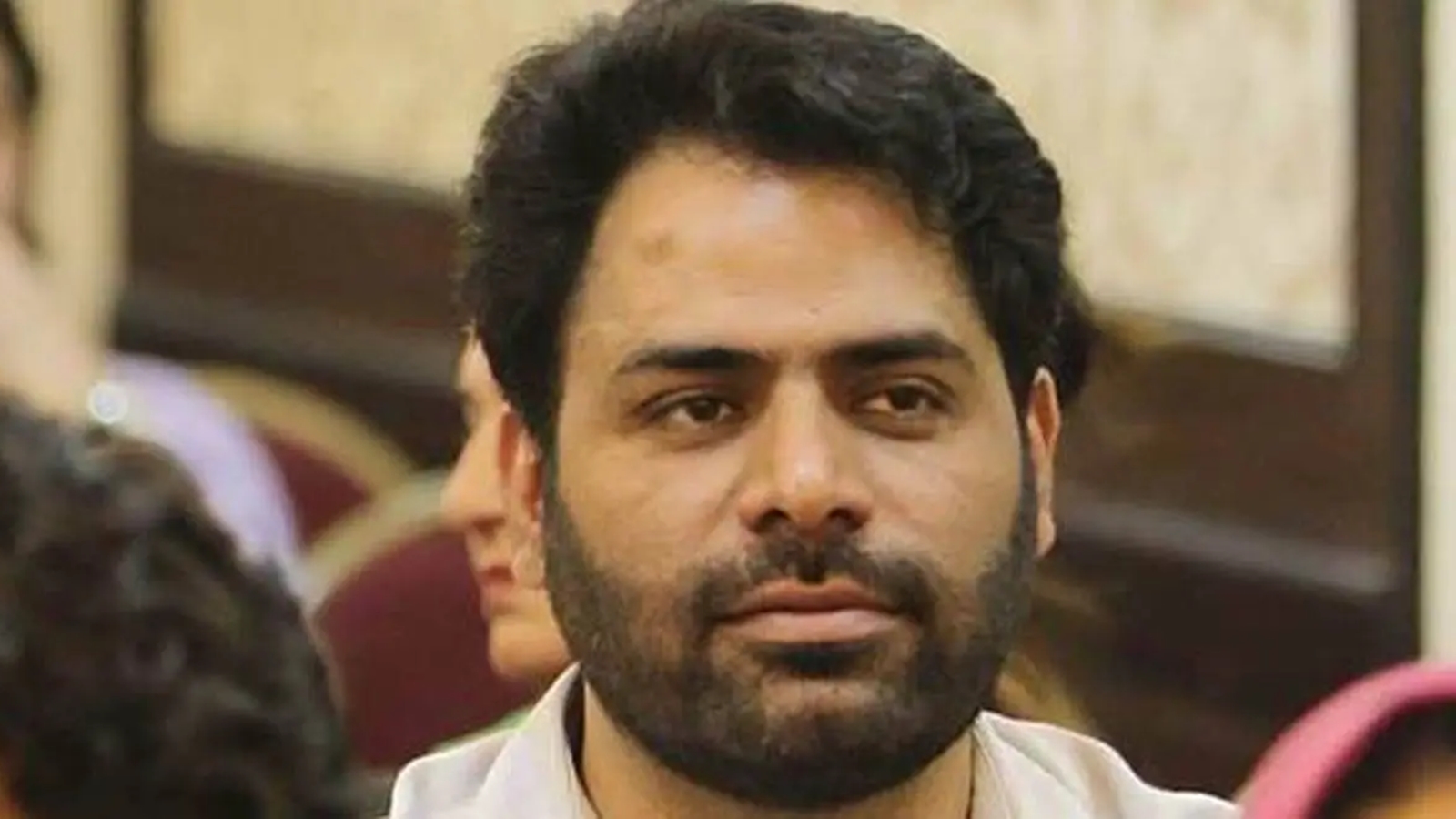
In New Delhi, Additional Sessions Judge Prashant Sharma framed multiple terrorism‑financing charges against human‑rights crusader Khurram Parvez, IPS officer Arvind Negi and four co‑accused, stemming from the 2021 NIA case. The allegations span UAPA, IPC and anti‑corruption statutes.
Key Takeaways
- Parvez charged under UAPA, IPC and PC Act for alleged conspiracy with LeT
- Negi accused of leaking official secrets and accepting bribes
- One co‑accused turned approver, while five remain in custody
New Delhi— On July 31, Additional Sessions Judge Prashant Sharma formally framed charges against human‑rights activist Khurram Parvez, IPS officer Arvind Negi and four others in a high‑profile terror‑funding case originally filed by the National Investigation Agency (NIA) in 2021.
Parvez, the former coordinator of the Jammu‑Kashmir Coalition of Civil Society (JKCCS), faces accusations of criminal conspiracy, waging war against the state and membership in a terror organisation under the Unlawful Activities (Prevention) Act (UAPA). He is also charged under the Prevention of Corruption (PC) Act for allegedly bribing a public servant.
Negi, a Himachal‑cadre IPS officer with more than a decade at the NIA, is charged under the Official Secrets Act for allegedly passing confidential documents to an alleged LeT operative. The PC Act also implicates him for accepting bribes.
The remaining accused—Arshid Ahmad Tonch, Zafar Abbas (alias Zafar Ali), Rambhawan Prasad and Chandan Mahato—are charged under UAPA, IPC and PC statutes for evidence tampering, document forgery and facilitating SIM‑card and bank‑account fraud.
Why This Matters
BozokMedia analysis shows that the indictment underscores a broader governmental push to curb alleged foreign‑backed activism in Jammu‑Kashmir, raising concerns about the balance between national security and civil liberties.
"Cases like this test the resilience of democratic institutions; transparency is paramount," says constitutional law scholar Dr. Maya Rao.
Frequently Asked Questions
- Is this case limited to Jammu‑Kashmir? No, it involves national security agencies and could set precedents across India.
- Has a sentence been handed down? Not yet; the trial is ongoing and sentencing will follow a verdict.