A classified CBSA intelligence report reveals that the India‑based Lawrence Bishnoi gang built a Canadian criminal network by leveraging Indian students on study and work permits. The findings highlight serious gaps in Canada’s international student programme.
Key Takeaways
- Bishnoi gang used Indian student visas for organized crime.
- Crimes by Indian permit holders surged 8,800% from 2016‑2024.
- CBSA issued a tactical guide in 2025 to counter the threat.
Introduction
A classified intelligence report from Canada Border Services Agency (CBSA) details how the Lawrence Bishnoi gang established a significant operational foothold in Canada by recruiting young Indian nationals on student visas and work permits. Global News investigative journalist Stewart Bell broke the story on August 5.
Gang Expansion and Goldy Brar
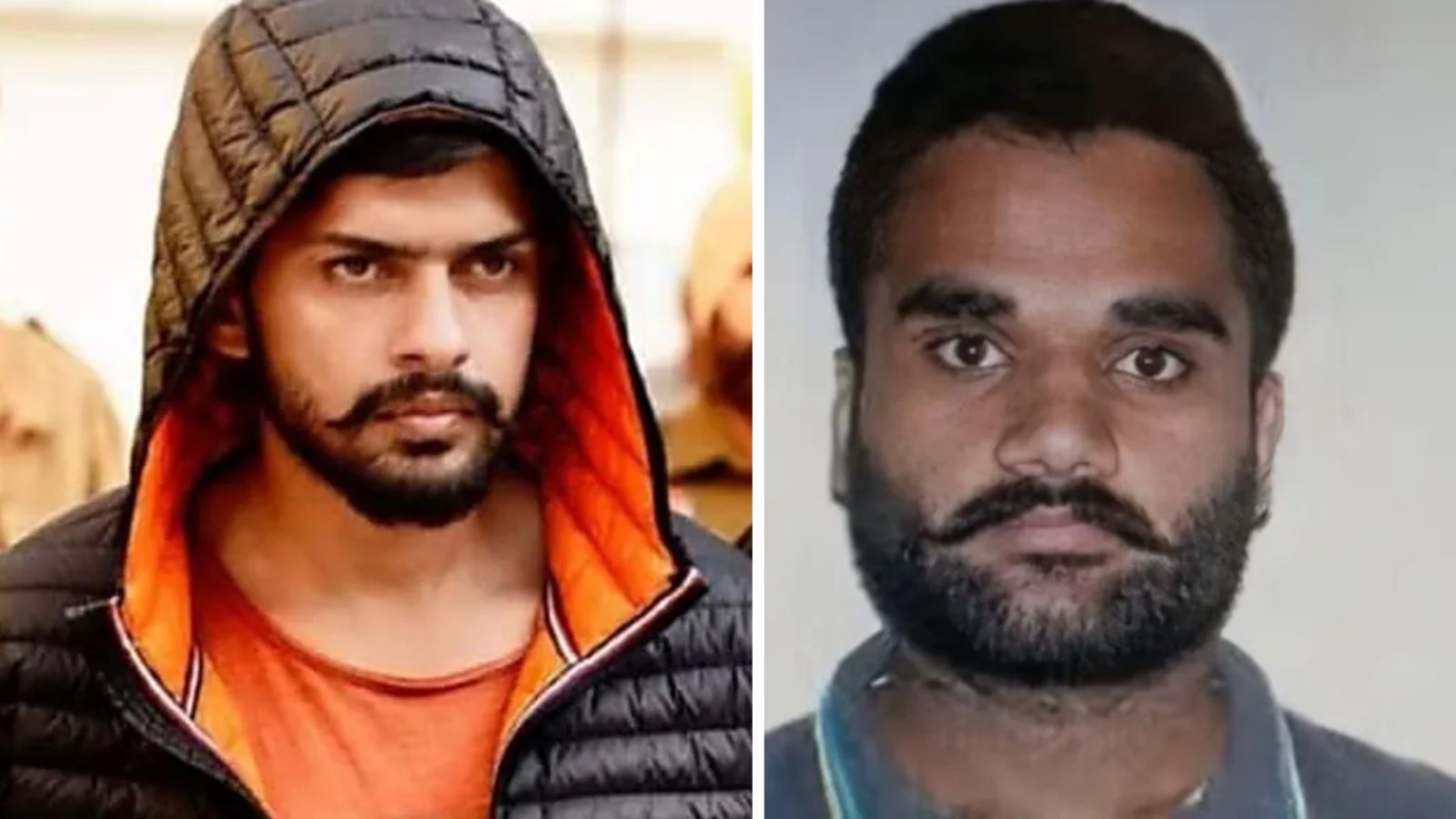
Goldy Brar (Satinderjeet Singh), a top lieutenant of jailed gangster Lawrence Bishnoi, entered Canada in 2017 under the guise of studying at Thompson Rivers University in Kamloops, British Columbia. Records do not confirm his attendance; instead, the report links him to expanding the gang’s Canadian franchise, including high‑profile murders and a wave of extortions targeting South‑Asian communities.
Historical Background
Over the past decade, the number of Indian nationals receiving Canadian study permits skyrocketed, peaking in the early 2020s. This surge strained housing, prompted fraud concerns, and created security gaps that organized crime groups later exploited.
Canada’s Response
In September 2025, Canada designated the Bishnoi gang as a terrorist entity, granting authorities expanded powers to freeze assets and pursue prosecutions. The CBSA’s 2025 “Tactical Guide” advises immigration officers to flag student and work permit holders linked to the network.
Why This Matters
BozokMedia analysis shows that the exploitation of student visa pathways by organized crime not only threatens public safety but also tarnishes Canada’s reputation as a welcoming destination for international scholars.
"The misuse of student visas for criminal enterprises is a global security risk that demands immediate, coordinated action," says security analyst Dr. Anita Singh.
Frequently Asked Questions
Question 1: How did the Bishnoi gang infiltrate Canada’s student visa system?
Answer: They entered on legitimate study permits, then systematically recruited participants into extortion, violence, and organized crime operations.
Question 2: What steps is Canada taking to curb this abuse?
Answer: The government has tightened visa issuance criteria, increased housing and fraud monitoring, and bolstered law‑enforcement surveillance of permit holders.