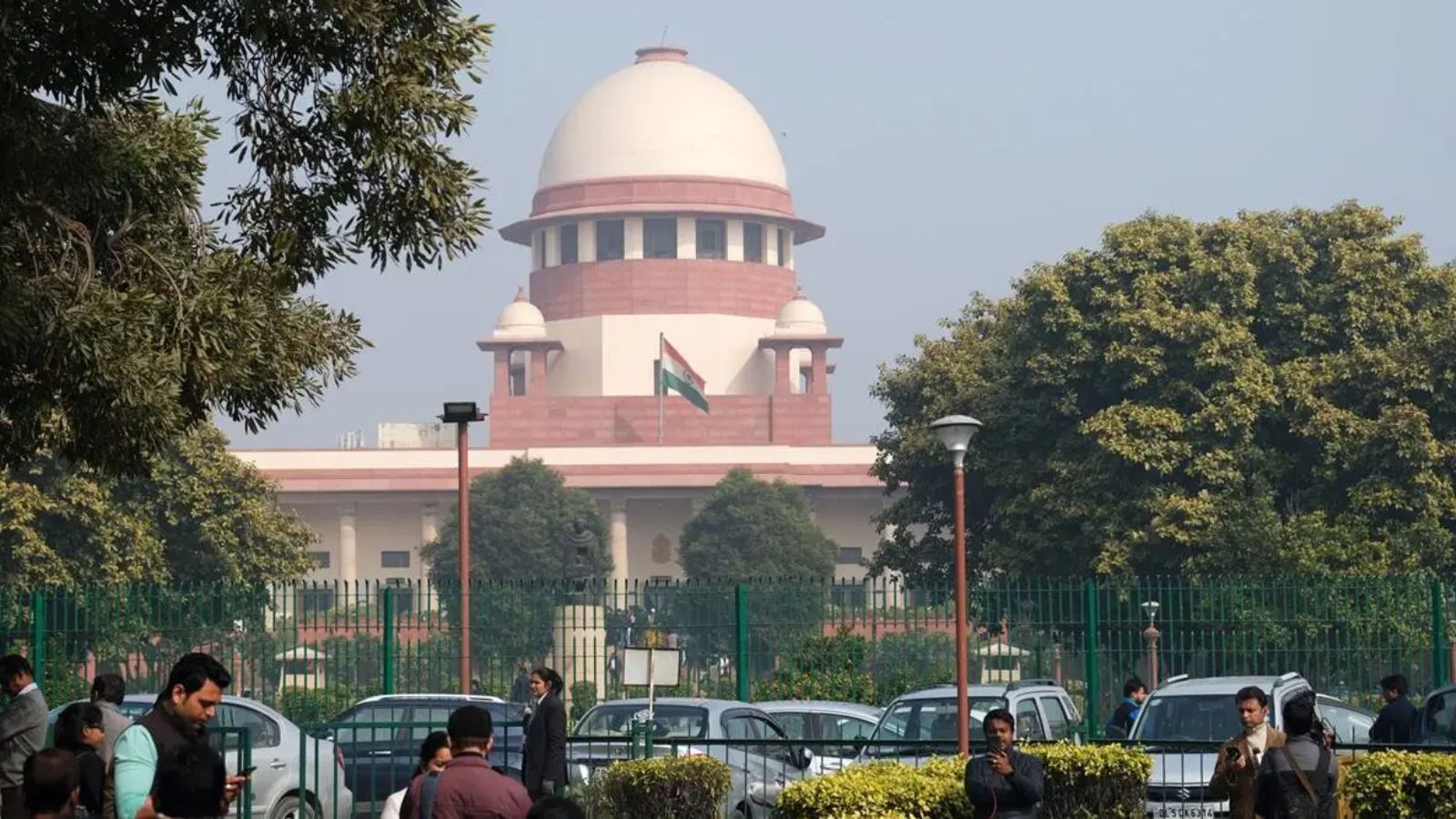
During the hearing on the Shiv Sena symbol dispute, the Supreme Court emphasized that preserving democracy is a collective duty of all institutions, not just the judiciary.
Key Takeaways
- Supreme Court termed democracy as a 'collective responsibility.'
- Uddhav Thackeray faction is challenging the ECI's decision on the party symbol.
- Concerns were raised regarding delays in disqualification petitions by Speakers.
- The next hearing is scheduled for August 18.
New Delhi: In a significant observation during the ongoing legal battle over the Shiv Sena party symbol, the Supreme Court of India remarked on Thursday that keeping democracy alive is a "collective responsibility" of all institutions and not the sole burden of the judiciary.
The court was presiding over petitions filed by the Uddhav Thackeray faction. These petitions challenge the Election Commission of India's (ECI) decision to recognize the Eknath Shinde-led group as the authentic Shiv Sena and allot the party's iconic 'bow and arrow' symbol to them.
The Judicial vs. Legislative Debate
Senior Advocate Kapil Sibal, representing the Uddhav faction, argued that the judiciary is the only body capable of effectively addressing the systemic delay in deciding disqualification petitions by assembly speakers. "It’s a very sad state of affairs... Whichever party is in power, it shows that the disqualification is not heard," Sibal stated, urging the court to lay down definitive law.
However, a three-judge bench led by Chief Justice of India Surya Kant maintained a balanced view. While Sibal argued that the burden of democracy lies with the judges, the CJI noted that Parliament also has the power to find solutions through legislation. "Let's not underestimate. Our other institutions are also quite committed," the CJI added.
"Ultimately, the burden of keeping the democracy alive is with you. Not with us," Kapil Sibal told the bench.
BozokMedia analysis shows that this case transcends political symbolism; it touches upon the fundamental integrity of constitutional processes and the functional autonomy of legislative versus judicial oversight in India.
Historical Context
The split in the Shiv Sena has led to one of the most complex legal battles in recent Indian political history. The dispute centers on the interpretation of the Election Symbols (Reservation and Allotment) Order, 1968, and how much weightage should be given to subsequent events following a party split.
Frequently Asked Questions
1. What is the core of the Shiv Sena symbol dispute?
The dispute involves the ECI's recognition of the Shinde faction as the real Shiv Sena, which the Uddhav faction claims is legally flawed.
2. Why did the Supreme Court mention 'collective responsibility'?
The court made this remark in response to arguments that the judiciary must intervene whenever legislative or executive institutions fail to act on constitutional matters.