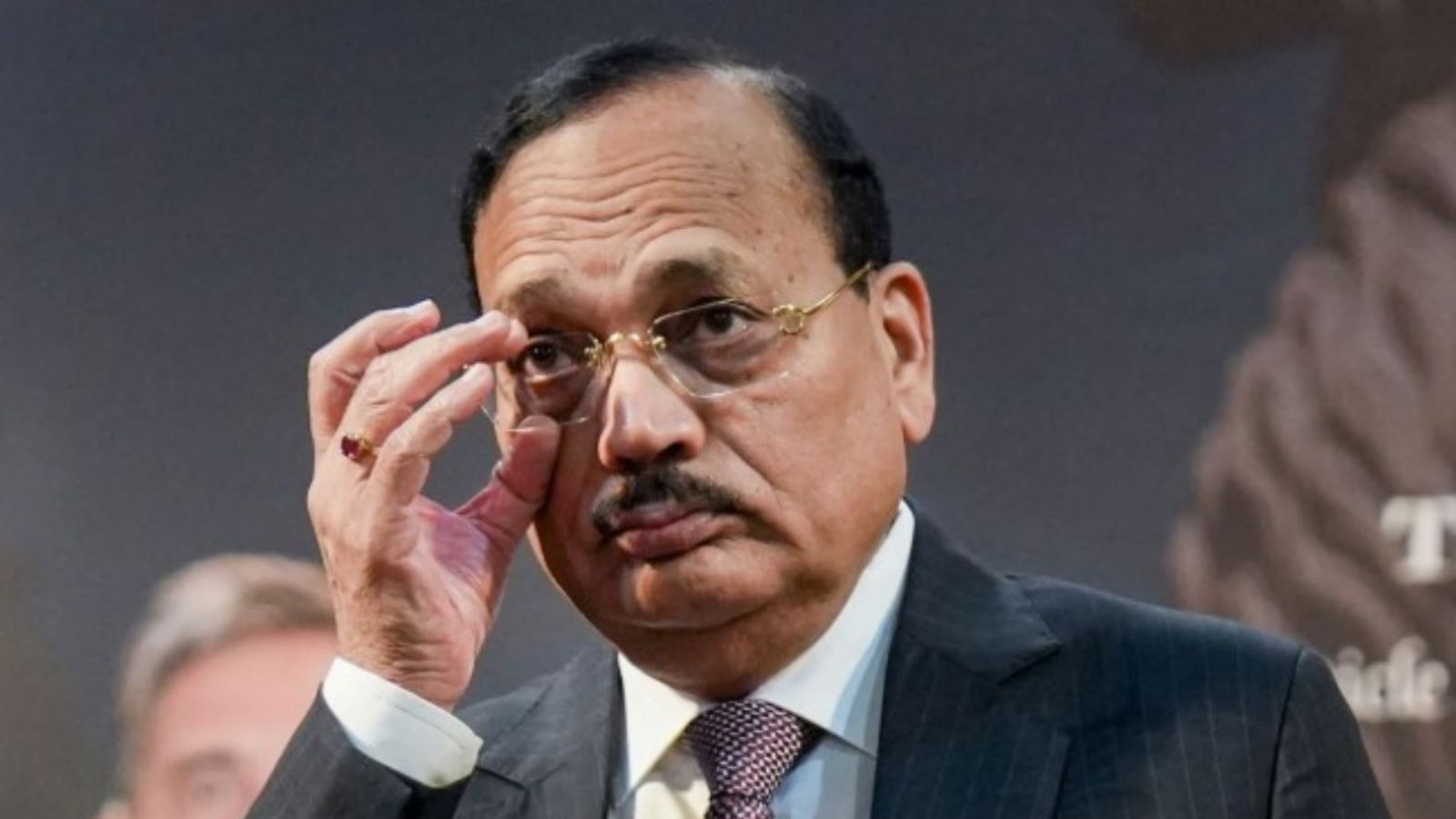
India’s Chief Justice Surya Kant has sharply criticized the Bar Council of India's circular that blocks the enrollment of 2026 batch NALSAR graduates as advocates, affirming students' right to protest.
Key Takeaways
- CJI labels BCI's ban unconstitutional
- NALSAR students protest chief guest selection
- Supreme Court reaffirms students' right to dissent
Supreme Court’s Stance
Chief Justice Surya Kant voiced strong displeasure at the Bar Council of India’s (BCI) circular barring the 2026 batch of NALSAR University graduates from being enrolled as advocates. He asserted, “Students have a right to protest, and the BCI has no business interfering.”
Background of the NALSAR Protest
Approximately 450 out of NALSAR’s 1,400 students rallied against inviting CJI Surya Kant as the convocation chief guest. The protest stemmed from remarks the CJI made last month while hearing a petition on police excesses during the NEET protests in Delhi, where he reportedly said, “Please don’t waste our time. We don’t have time to watch these videos.”
Historical Background
Since its inception in 1998, NALSAR has been a trailblazer for constitutional rights, access to justice, and student activism. In 2020, the university encouraged students to file a petition challenging police brutality, embedding a tradition of legal advocacy that fuels today’s dissent.
Why This Matters
BozokMedia analysis shows that this clash underscores a widening rift between judicial independence and professional regulatory bodies. If the BCI’s ban remains, it could jeopardize the career prospects of law graduates across India.
"The balance between academic freedom and judicial authority is the cornerstone of a democratic society," says legal scholar Prof. Anita Singh.
Frequently Asked Questions
Q1: Can the BCI’s ban be legally challenged?
A1: Yes, the Supreme Court has previously struck down similar restrictions as violations of constitutional rights.
Q2: What is the core demand of the protesting students?
A2: They seek a reconsideration of the chief guest selection, emphasizing the university’s commitment to constitutional values.