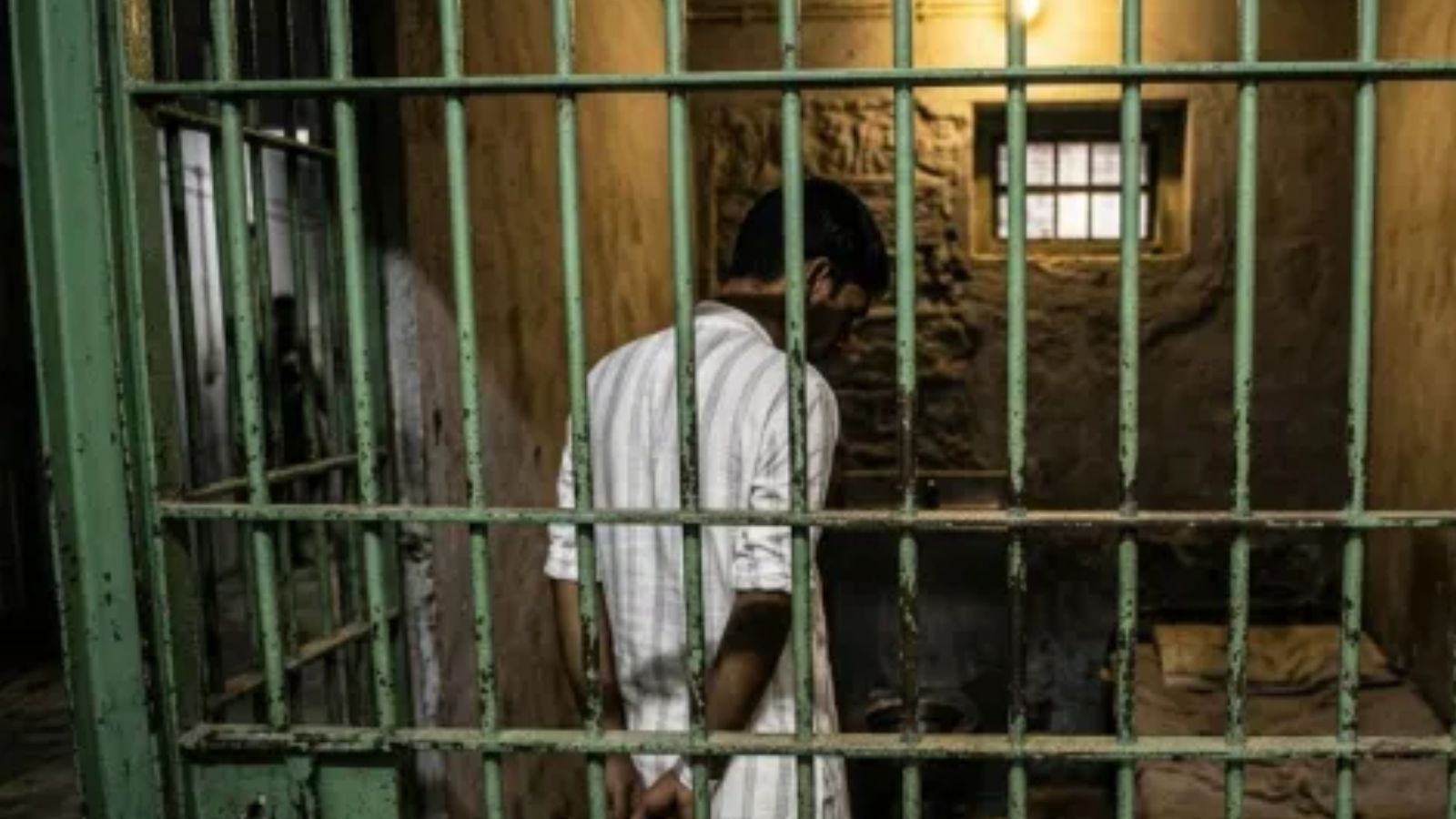
A fast-track court in Muzaffarnagar has sentenced 17 individuals to death across seven murder cases in just 100 days, sparking a debate over the adherence to Supreme Court guidelines regarding mitigating circumstances.
- Judge Ravi Kumar Diwakar awarded 17 death sentences in 100 days.
- Potential violation of the 'Manoj & Ors v State of MP' guidelines.
- The number exceeds the annual total of several Indian states.
- Lack of psychiatric and socio-economic reports for the convicts.
In a startling trend of judicial sentencing, Judge Ravi Kumar Diwakar, presiding over Fast Track Court No. 3 in Muzaffarnagar, has awarded 17 death sentences to 22 accused across seven separate murder trials between April 6 and July 17. This rapid succession of capital punishment is highly unusual within the Indian legal framework.
To put this into perspective, the Death Penalty in India: Annual Statistics Report 2025 by the Square Circle Clinic at NALSAR University of Law reveals that trial courts across the entire state of Uttar Pradesh handed down only 28 death sentences in 20 cases throughout the year 2025. Justice Diwakar's court alone has almost matched the state's annual output in just over three months.
Why This Matters
BozokMedia analysis shows that the sheer volume of death sentences from a single trial court creates a systemic risk. If the mandatory 'mitigating circumstances' reports are ignored, it increases the likelihood of these cases being overturned by higher courts, potentially wasting judicial resources and delaying finality for victims' families.
The legal controversy centers on the 2022 Supreme Court ruling in Manoj & Ors v State of Madhya Pradesh. This landmark judgment mandates that trial courts must elicit and record reports on the accused’s psychiatric condition, jail conduct, and socio-economic background before awarding the death penalty. This is essential to determine if the case truly falls under the 'rarest of rare' category.
"The death penalty is an irreversible punishment; therefore, the process of eliminating mitigating factors must be exhaustive and documented."
Reports indicate that in the 17 sentences awarded by the Muzaffarnagar court, there is no record of the state producing such psychological or behavioral material. Instead, the court relied heavily on the "bhav-bhangima" (facial expressions and demeanor) of the convicts, noting a lack of remorse as a primary justification for the capital term.
| Jurisdiction/Court | Death Sentences | Timeframe |
|---|---|---|
| Muzaffarnagar FTC No. 3 | 17 | 100 Days |
| Entire Uttar Pradesh (2025) | 28 | 1 Year |
| Karnataka (2025) | 15 | 1 Year |
Under the Bharatiya Nagarik Suraksha Sanhita, all death sentences passed by a Sessions Court must be confirmed by the High Court. Consequently, these 17 cases will move to the Allahabad High Court. Historically, High Courts confirm only about 1 in 10 death sentences, and the Supreme Court has not confirmed a single death sentence since 2023.
Frequently Asked Questions
1. Will the convicts be executed immediately?
No, the sentences must first be confirmed by the Allahabad High Court and the convicts can file independent appeals.
2. What are 'mitigating circumstances'?
These are factors such as poverty, age, mental health, or the possibility of reform that may persuade a court to give life imprisonment instead of death.