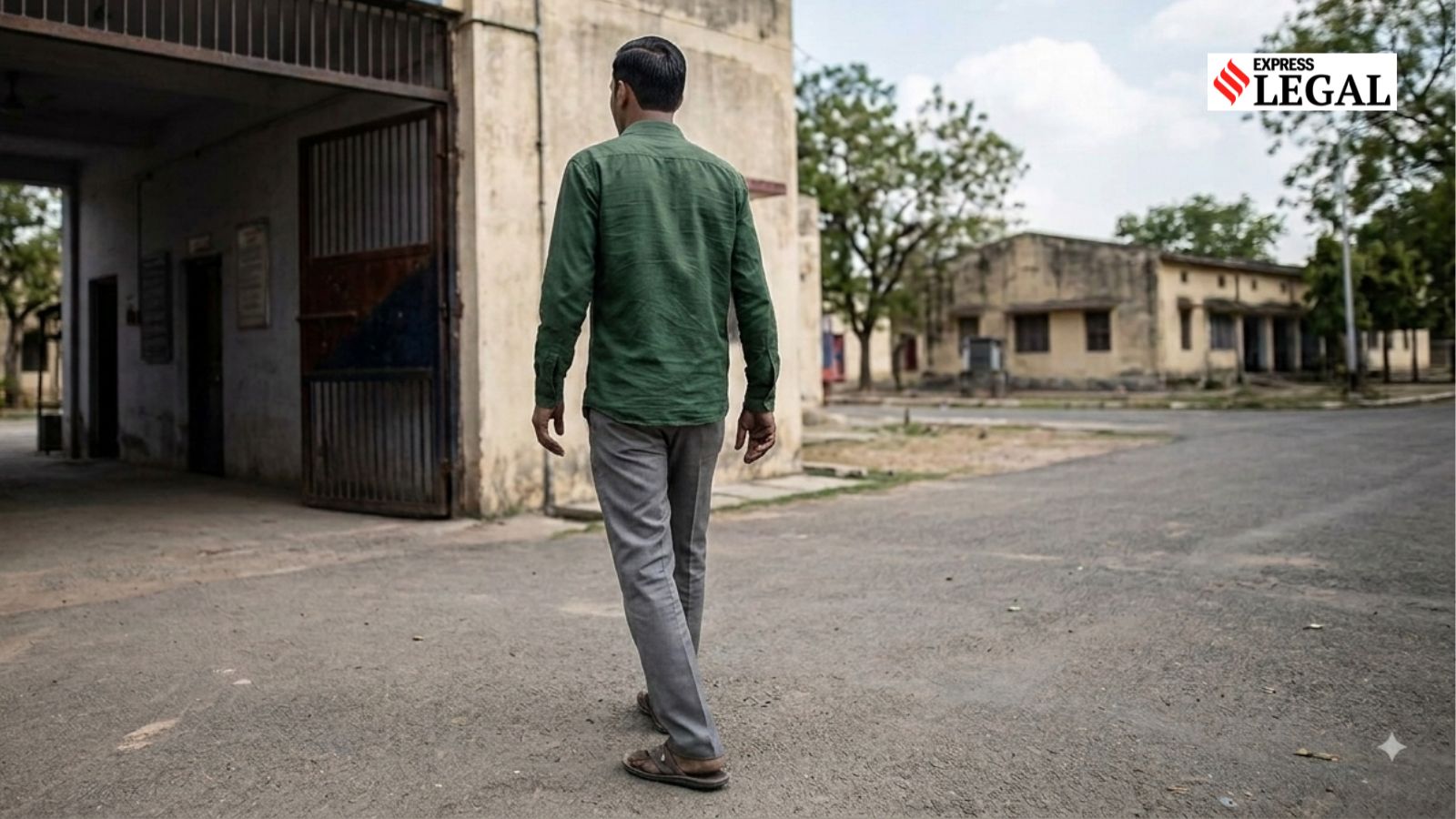
In a landmark ruling, the Bombay High Court has ordered the release of a convict from a 2006 murder case, emphasizing that the modern justice system must prioritize reformation and rehabilitation over retribution.
- Bombay High Court quashed the Goa government's decision to deny premature release.
- The court emphasized the 'Reformative Theory' of the criminal justice system.
- Convict earned three IGNOU degrees and served as a Para Legal Volunteer in prison.
- Ruling states that the gravity of the crime alone cannot bar remission if reformation is evident.
The Bombay High Court has ordered the early release of a man serving life imprisonment for a 2006 kidnapping and murder case. A bench comprising Justices Neela Gokhale and Amit S Jamsandekar ruled that continuing incarceration after 20 years, despite clear evidence of reformation, would serve no fruitful purpose and would contradict the core objectives of the prison system.
The case dates back to 2006 in Goa, involving the abduction and murder of law student Mandar Surlakar. The perpetrators had demanded a ransom of Rs 50 lakh from the victim's father. The convict was found guilty in 2014 and sentenced to life imprisonment after the post-mortem revealed strangulation and severe head injuries.
Why This Matters
BozokMedia analysis shows that this ruling challenges the traditional 'eye-for-an-eye' approach to justice. By validating the role of distance education (IGNOU) and vocational training as metrics for rehabilitation, the court is signaling to state governments that executive discretion in remission must be based on objective behavioral evidence rather than purely emotional or public-safety rhetoric.
The court took detailed note of the petitioner's academic achievements. While incarcerated, the man completed a Bachelor’s Degree in Tourism Studies, a Post Graduation Degree in Tourism and Travel Management, and a Diploma in Finance and Accounting via IGNOU. He also managed the prison bakery and canteen and worked as a Para Legal Volunteer.
"The purpose of punishment is not merely retribution but also the reformation and rehabilitation of the offender, enabling his eventual reintegration into society."
The Goa government had rejected the State Sentence Review Board's (SSRB) recommendation for release, citing the "heinous nature" of the crime. However, the High Court noted that requiring "absolute certainty" that a convict will never reoffend is an impossible standard that would effectively ensure no prisoner ever leaves jail alive.
Frequently Asked Questions
Q1: What was the primary reason for the court's decision?
A: The court focused on the convict's successful rehabilitation, educational attainment through IGNOU, and satisfactory conduct during parole.
Q2: Does the nature of the crime not matter for premature release?
A: While the crime's nature is considered, the court ruled it cannot be the sole reason to deny remission if the prisoner has shown genuine reformation over two decades.