The Jharkhand High Court has ruled that the fundamental right to protest cannot be used as a shield for vandalizing courts or assaulting judicial officers, citing a violent 2022 mob attack in Latehar.
- Right to protest is a fundamental right but is not absolute and cannot obstruct justice.
- Jharkhand HC ordered enhanced security for judicial officers across all districts to prevent future violence.
- The ruling stems from a 2022 incident where a mob locked a judge in a room and vandalized the Latehar Civil Court.
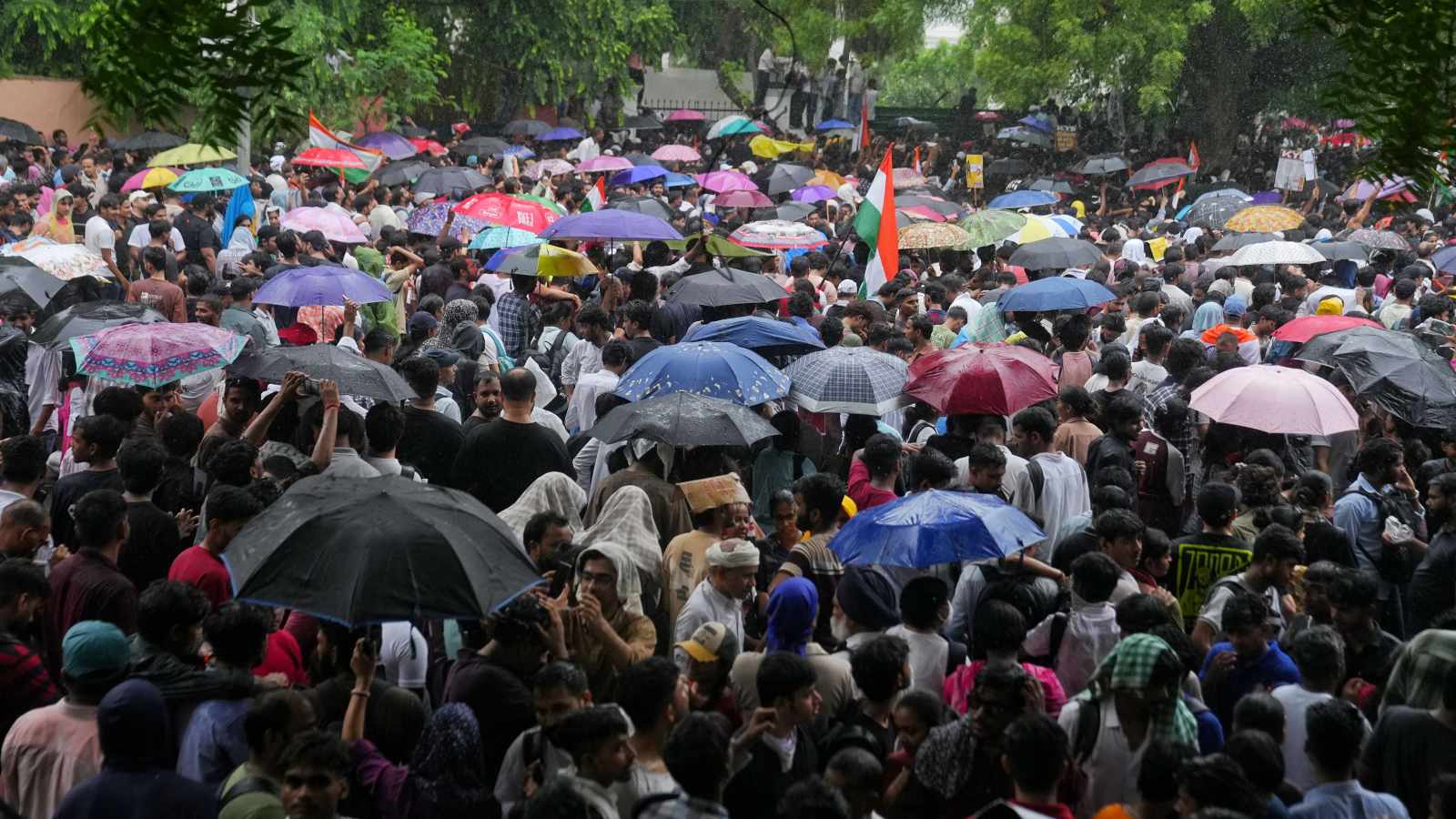
The Jharkhand High Court has delivered a stern reminder that the democratic right to protest does not grant citizens the license to disrupt the administration of justice. In a significant ruling, the court emphasized that while protesting is a fundamental right, it cannot extend to obstructing court proceedings, assaulting judicial officers, or vandalizing court premises.
This legal observation comes during the disposal of a suo motu Public Interest Litigation (PIL) regarding a harrowing incident in 2022. In that instance, a mob comprising over 500 members of the Tana Bhagat community, armed with lathis and sickles, forcibly entered the Latehar Civil Court. The mob reportedly locked the premises and demanded absolute self-rule, completely rejecting the authority of both the government and the judiciary.
The situation reached a critical point when the then Principal and District Sessions Judge of Latehar had to be locked inside a room to protect his life from the violent crowd. Chief Justice M S Sonak and Justice Rajesh Shankar noted that such actions strike at the very heart of judicial independence, which is a basic feature of the Indian Constitution.
Why This Matters
BozokMedia analysis shows that this ruling is a pivotal attempt to draw a clear line between civil disobedience and criminal disruption. By mandating security for all judicial officers across the state, the court is acknowledging a growing trend of volatility around judicial centers. This move ensures that judges can render verdicts without fear of physical retribution, thereby safeguarding the rule of law.
"The independence of the judiciary is not merely about the freedom to decide, but the safety to exist and function without intimidation."
The High Court expressed satisfaction with the current security upgrades at the Latehar Court, which now include armed personnel, CCTV coverage, and Quick Response Teams. However, the court insisted that this standard of security must be replicated across all districts in Jharkhand to ensure a safe environment for justice delivery.
Historically, the tension between tribal autonomy movements and state judicial systems in Jharkhand has been a recurring theme. The Tana Bhagat community's demand for self-rule often clashes with the formal legal structures of the state, making the judiciary a target for frustration. This ruling seeks to balance the legitimacy of their grievances with the sanctity of the courtroom.
| Feature | Permissible Protest | Impermissible Action |
|---|---|---|
| Location | Designated protest zones | Court premises/Judicial chambers |
| Method | Peaceful assembly/Slogans | Vandalism/Physical assault |
| Goal | Expressing grievance | Stopping judicial proceedings |
Frequently Asked Questions
1. Does this ruling ban protests in Jharkhand?
No, the court explicitly stated that the right to protest is a fundamental right; it only prohibits violence and disruption within judicial premises.
2. What security measures are now mandatory for judges?
The court has directed that judicial officers should have adequate personal security, including bodyguards and home guards, similar to the current setup in Latehar.