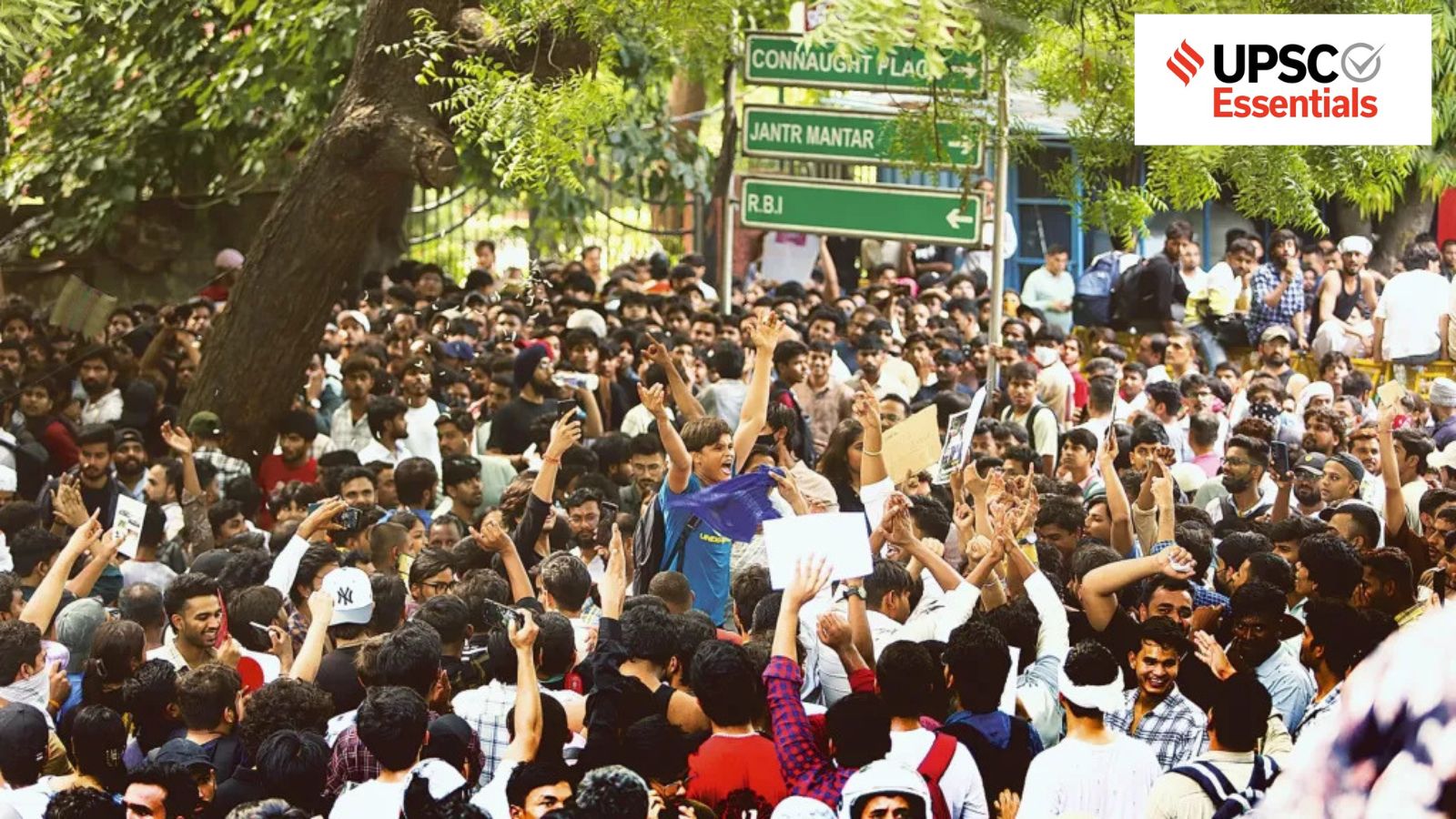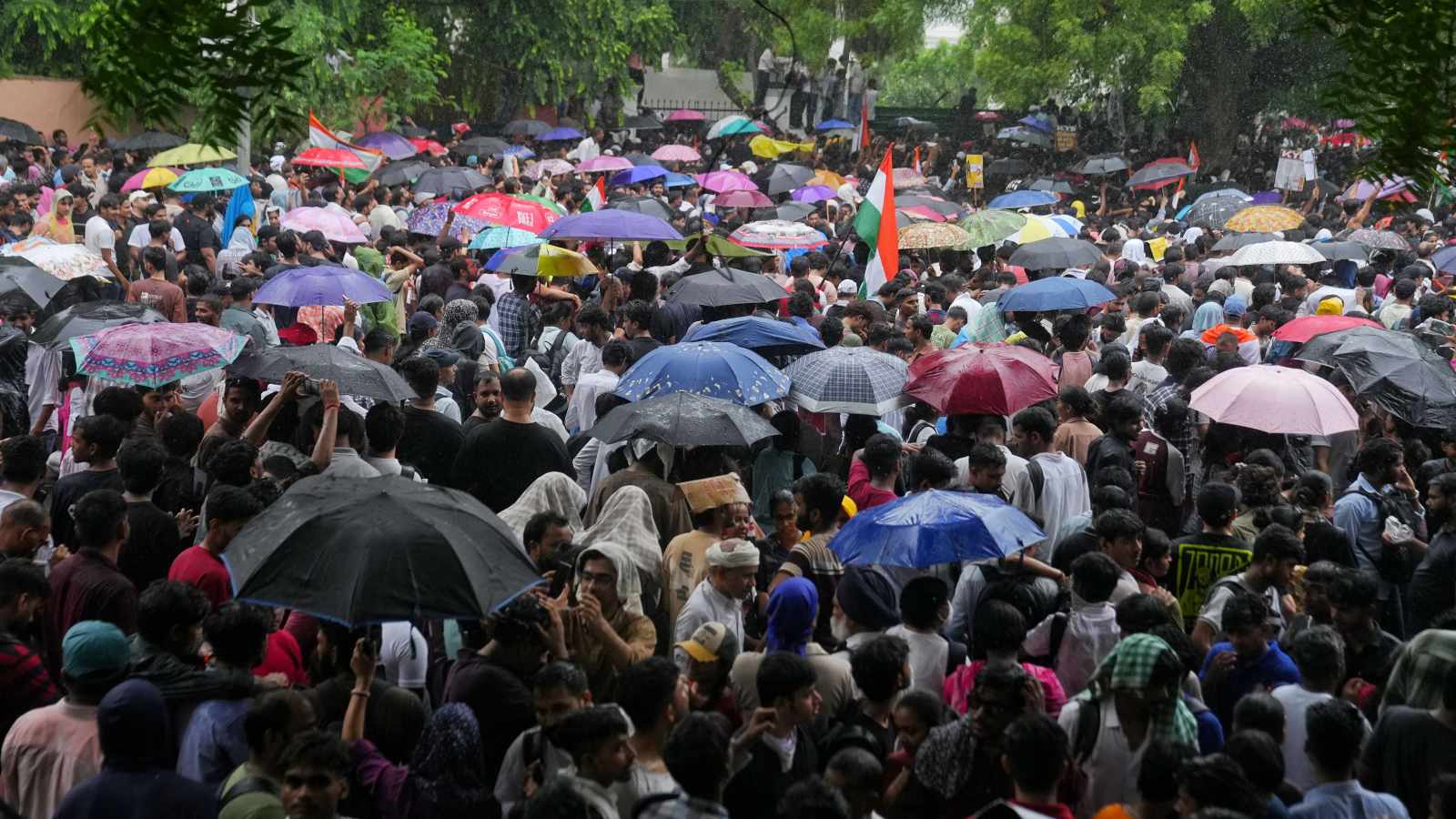
The Delhi Police have informed the Supreme Court that plainclothes 'spotters' were deployed during the Cockroach Janta Party (CJP) march for crowd control and to prevent criminal activity, denying allegations of excessive force.
- Delhi Police justify plainclothes 'spotters' as a global standard for crowd management.
- Allegations of 'nail-studded lathis' denied; police claim such weapons were held by protesters.
- Over 240 police personnel injured during clashes; 30,000 protesters were managed by 5,000 officers.
- Facial recognition was used specifically to profile known criminals, not the general public.
In a detailed counter-affidavit submitted to the Supreme Court, the Delhi Police have strongly refuted allegations of brutality during the July 20 march led by the Cockroach Janta Party (CJP). The protest, which demanded the resignation of former Union Minister Dharmendra Pradhan, turned violent, leading to a legal battle over the conduct of security forces.
The police clarified that the presence of officers in plain clothes is a standard operational procedure used globally during high-profile gatherings, such as Republic Day and Independence Day. These officers, termed as "spotters," were tasked with merging into the crowd to identify anti-social elements and provide immediate assistance to anyone being harassed, ensuring that the gathering did not spiral into chaos.
Why This Matters
BozokMedia analysis shows that this case highlights the growing tension between the right to protest and the state's use of surveillance and covert policing. The use of facial recognition technology (FRT) to profile individuals during a democratic march raises significant privacy concerns, even if the police claim it was limited to those with criminal records.
The affidavit describes a scene of extreme volatility, claiming that protesters attempted to breach barricades to reach the Parliament. The police allege that a section of the crowd became aggressive, manhandling female officers and attacking personnel with stones and sticks in a manner described as "mob lynching." They further claimed that protesters vandalized the office of the registrar of co-operative societies on Sansad Marg, using bricks from the walls to attack officers.
The deployment of covert 'spotters' in democratic protests often blurs the line between security management and intimidation, creating a psychological atmosphere of surveillance.
Addressing specific accusations, the police denied using lathis with nails, asserting that video evidence actually shows such weapons in the hands of the protesters. They noted that the sheer scale of the event—30,000 protesters against 5,000 officers—made the situation nearly uncontrollable once violence erupted.
| Aspect | Protester Allegations | Delhi Police Response |
|---|---|---|
| Plainclothes Cops | Covert intimidation/violence | Standard 'spotters' for crowd control |
| Force Used | Excessive/Nail-studded lathis | Necessary response to mob violence |
| Surveillance | Mass facial recognition | Profiling of known criminals only |
The police concluded that while 218 protesters sustained injuries, these were not the result of excessive force but rather the byproduct of a chaotic struggle between unruly elements and the police attempting to restore order.
Frequently Asked Questions
Q1: Why did Delhi Police use plainclothes officers?
They stated it was a global practice to keep a vigil on anti-social elements and provide immediate help to harassed individuals during large congregations.
Approximately 5,000 officers were deployed to manage a crowd of over 30,000 people.