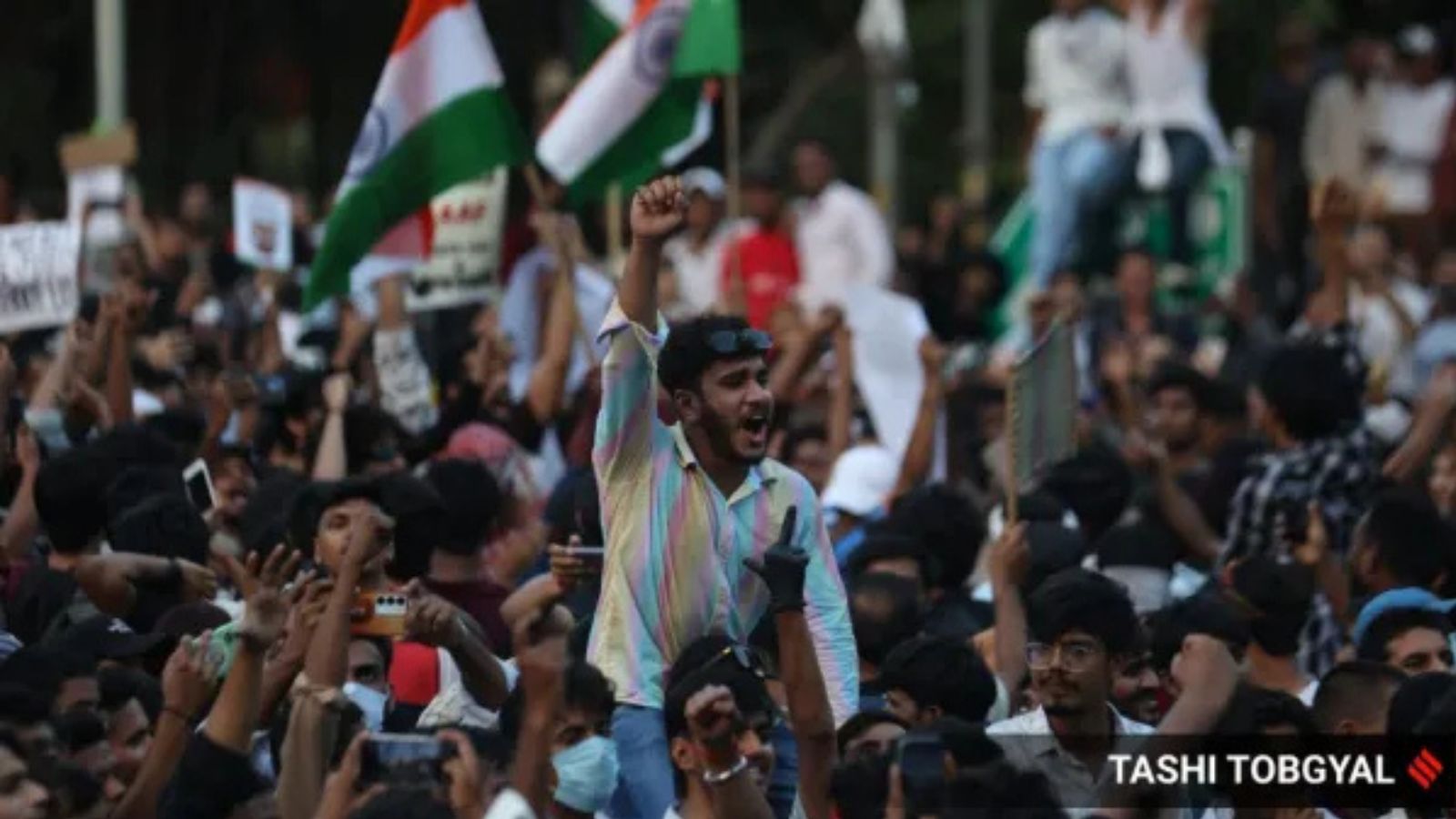
The Delhi Police have informed the Supreme Court that facial recognition technology (FRS) was used at Jantar Mantar specifically to identify 2,873 individuals with serious criminal records, denying allegations of indiscriminate mass surveillance.
- Delhi Police identified 2,873 individuals with criminal records using FRS at Jantar Mantar.
- Authorities deny profiling peaceful protesters or collecting data of non-criminals.
- 47 identified individuals are classified as 'history-sheeters' with multiple serious charges.
- The Supreme Court is currently reviewing petitions regarding excessive police force.
In a detailed counter-affidavit submitted to the Supreme Court, the Delhi Police have categorically rejected allegations that they conducted mass surveillance during recent student protests at Jantar Mantar. The police maintain that the Facial Recognition System (FRS) is not a tool for indiscriminate profiling but a targeted mechanism designed to flag individuals already present in criminal databases.
According to the affidavit, the FRS identified 2,873 individuals whose facial features matched existing records. This breakdown includes 2,402 persons from the 'Crime Kundli' database and 471 from official dossier records. The police emphasized that the system ignores individuals without a prior criminal history and does not capture data for petty offenses, such as traffic violations.
Why This Matters
BozokMedia analysis shows that this case represents a critical junction in the intersection of national security and the right to privacy in India. While the police frame FRS as a tool for 'preventive policing,' civil liberties advocates argue that the mere presence of such technology can create a 'chilling effect' on democratic protests. The distinction between 'criminal' and 'peaceful protester' becomes blurred when the technology itself is opaque.
The deployment of biometric surveillance in public spaces without a robust legal framework risks normalizing mass surveillance under the guise of crime prevention.
The police further revealed that among the identified individuals, 92 were involved in more than 10 cases, with 47 being labeled as history-sheeters. The charges against these individuals include grave offenses such as murder, rape, dacoity, and violations of the POCSO Act. The authorities argue that the presence of these elements proves the protests were 'infiltrated' by miscreants.
To support their claim of infiltration, the Delhi Police cited a spike in crime around the protest site between July 20 and July 26, including seven motor vehicle thefts and 67 other theft cases. They argue that using FRS is actually in the interest of peaceful protesters to weed out hardened criminals.
Regarding the allegations of data misuse, the police dismissed claims that Aadhaar details were used to summon people or that data was sold to private entities, calling such narratives 'counter-productive' and driven by 'ulterior motives.' They asserted that biometric data for these criminals is already legally held by the National Crime Bureau.
Identification Breakdown
| Source Database | Number of Persons Identified |
|---|---|
| Crime Kundli Database | 2,402 |
| Dossier Records | 471 |
| Total Identified | 2,873 |
Frequently Asked Questions
1. Does the FRS capture data of every person at the protest?
No, according to the Delhi Police, the system only captures and matches faces that are already recorded in criminal databases for serious offenses.
2. What happens after a face is recognized by the system?
The FRS is only the first step; the police then conduct field verification to confirm the person's presence before taking any legal action.