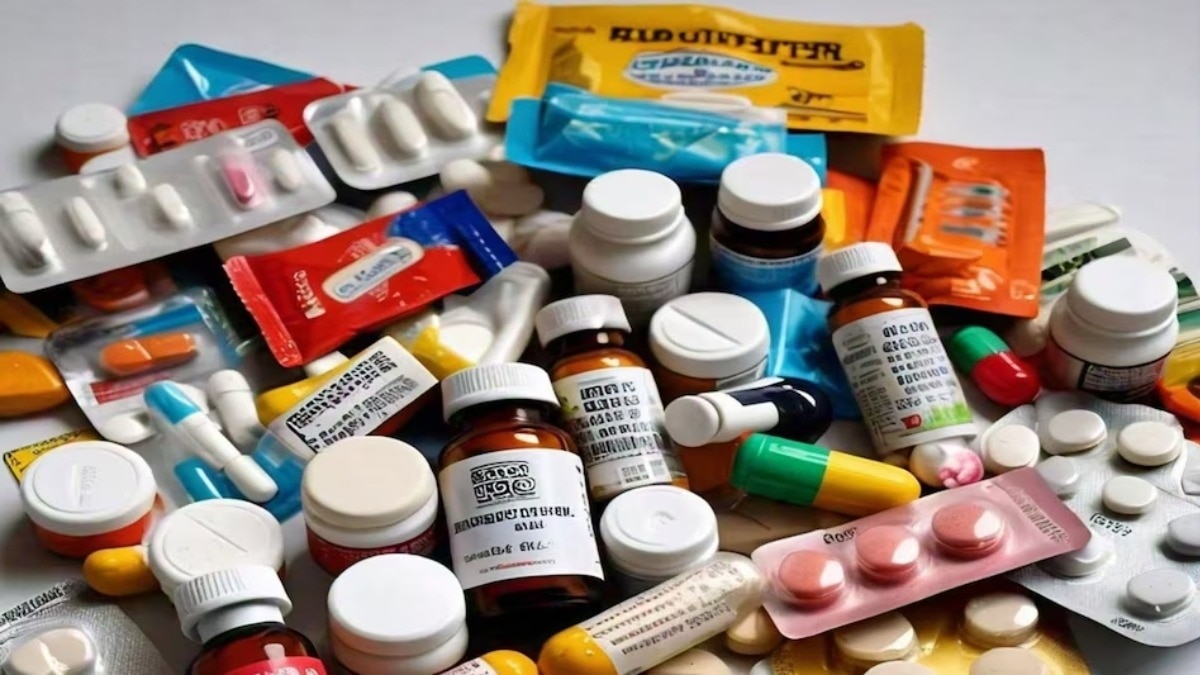
In a major crackdown, the Karnataka FDA seized spurious medicines worth over Rs 5 crore from an unlicensed facility near Bidadi, designed to mimic multinational brands.
- Seizure of spurious drugs worth over Rs 5 crore near Bidadi tollgate.
- Illegal facility was operating without a valid license.
- Medicines were repackaged to mimic multinational pharmaceutical brands.
- Intensified enforcement drive across Bengaluru, Mysuru, and Mangaluru.
The Karnataka Food Safety and Drug Administration has dismantled a sophisticated racket involved in the production and distribution of counterfeit medicines. During a high-stakes operation conducted on Tuesday, officials raided a premises near the Bidadi tollgate, uncovering an illegal facility producing spurious drugs valued at more than Rs 5 crore.
According to official reports, the facility was operating entirely without a valid license. The most alarming aspect of the discovery is the method used by the perpetrators: the spurious drugs were being meticulously repackaged and relabelled to closely resemble high-end medicines manufactured by prominent multinational pharmaceutical companies. This deceptive practice was aimed at tricking unsuspecting consumers and healthcare providers into purchasing counterfeit products under the guise of trusted brands.
Why This Matters
BozokMedia analysis shows that the rise in organized pharmaceutical fraud poses a systemic risk to public health infrastructure. When counterfeit medicines enter the supply chain, they not only cause financial loss to legitimate companies but, more critically, can lead to untreated illnesses or even death due to incorrect dosages or inactive ingredients.
The sophistication in repackaging these counterfeit goods suggests a highly organized criminal network targeting the most vulnerable segments of the population.
This seizure is part of a broader, intensified enforcement drive by Karnataka's regulatory bodies. In recent weeks, inspections in Bengaluru, Mysuru, and Mangaluru have led to the seizure of over 1,000 kg of unsafe food products, including expired ingredients, rotten vegetables, and improperly stored meat in various establishments ranging from hotels to quick-commerce centers.
Historical Background
The issue of counterfeit drugs has long been a global concern, with India being a major hub for both legitimate pharmaceutical manufacturing and, unfortunately, illicit operations. Regulatory agencies have been continuously upgrading their surveillance and laboratory capabilities to combat the increasing complexity of drug forgery and packaging mimicry.
Authorities are currently conducting deep-dive investigations to trace the origin of the seized stocks and identify the intended distribution networks to prevent these life-threatening products from reaching the public.
Frequently Asked Questions
Question 1: How were the fake drugs being sold?
Answer: They were being repackaged and labeled to look exactly like products from famous multinational pharmaceutical companies.
Question 2: What else has the FDA been inspecting?
Answer: The agency has also been conducting raids on food outlets, hotels, and canteens to check for hygiene, expired products, and unsafe food handling.