The Telangana High Court has rejected the bail plea of two women involved in a harrowing child trafficking case where a one-month-old infant was allegedly offered for sale for ₹1.5 lakh.
- The Telangana High Court denied bail to two women accused in a high-profile infant trafficking case.
- The crime involved the kidnapping of a one-month-old girl from a footpath near Lingampalli.
- Evidence includes WhatsApp photos of the baby and bank transfers totaling ₹1.5 lakh.
In a significant ruling regarding child safety and human rights, the Telangana High Court has denied bail to two women accused in a disturbing child trafficking case. The incident involves the kidnapping of a one-month-old infant, who was allegedly slated to be sold for a sum of ₹1.5 lakh. Justice B R Madhusudhan emphasized the gravity of the allegations, noting that the case involves serious offenses related to kidnapping and the illegal trade of children.
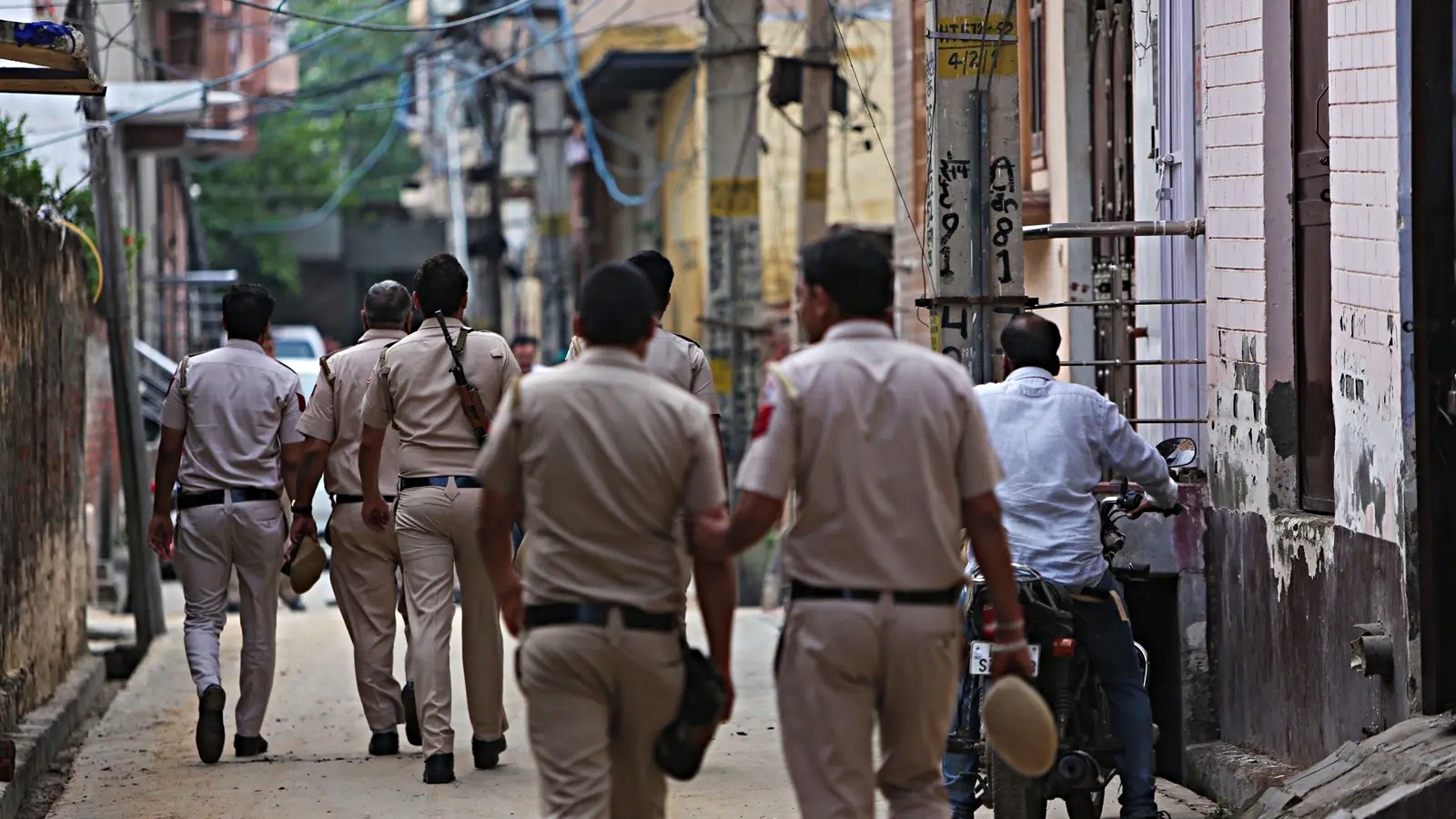
The tragic incident unfolded on June 30, when a family was sleeping on a footpath near the Lingampalli railway station. The parents were jolted awake by their infant's cries, only to discover that two unidentified individuals had abducted their baby girl and were fleeing in a green auto-rickshaw. Following a police investigation fueled by CCTV footage, five individuals were eventually apprehended.
Why This Matters
BozokMedia analysis shows that this case highlights the evolving tactics of criminal syndicates who utilize encrypted messaging platforms like WhatsApp to facilitate the sale of minors. The coordination between the kidnappers and the buyer—who traveled from Kolkata to Hyderabad specifically for the transaction—underscores the organized nature of modern-day child trafficking networks in India.
'The involvement of digital communication and inter-state travel in child trafficking cases necessitates an extremely stringent judicial response to deter organized crime.'
According to the remand report, one of the accused women played a pivotal role by sending photographs of the infant to a prospective buyer via WhatsApp. Once the buyer verified the child through the images, the agreed amount of ₹1.5 lakh was transferred through various bank accounts to the conspirators. The court noted that the accused were not merely passive bystanders but active participants in the trafficking chain.
Historical Background
Child trafficking has been a persistent challenge in India, leading to the enactment of the Juvenile Justice (Care and Protection of Children) Act. With the recent implementation of the Bharatiya Nyaya Sanhita (BNS), legal frameworks have been updated to address modern criminal complexities, including the use of digital technology in kidnapping and abduction.
Frequently Asked Questions
1. What were the main arguments for the bail plea?
The defense argued that the two women were not present at the scene of the crime and were only implicated through disclosure statements of co-accused.
2. Has the baby been recovered?
Yes, the police successfully rescued the infant girl and restored her to her biological parents.