A West Bengal consumer court has ordered a car dealer and owner to pay ₹4.25 lakh to a buyer after a second-hand SUV was seized by police for having forged documents. The ruling highlights the strict liability of sellers against unfair trade practices.
- Consumer Commission orders refund of ₹2.45 lakh plus ₹1.8 lakh in compensation.
- Vehicle was seized by West Bengal police due to forged ownership documents.
- The ruling classifies selling vehicles with fake papers as both 'unfair trade practice' and 'deficiency in service'.
In a significant victory for consumer rights, a consumer commission in West Bengal has penalized a car dealer and a previous vehicle owner for selling a second-hand SUV with fraudulent documentation. The commission directed the parties to jointly refund the purchase price and provide substantial compensation for the mental agony and financial loss suffered by the buyer.
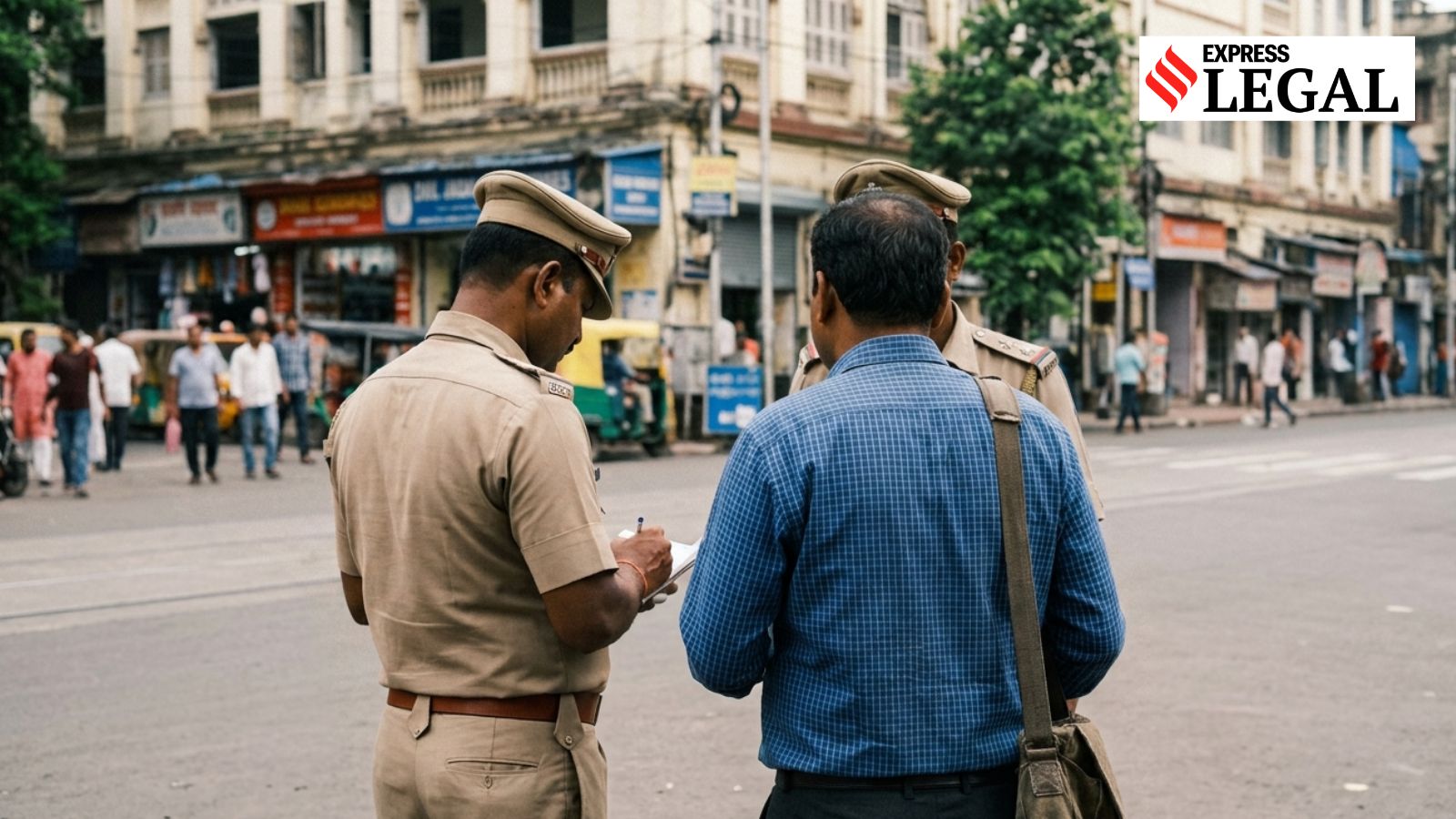
The case unfolded when the complainant, who had purchased the vehicle through an online advertisement, discovered the illegality of the transaction in the most jarring way possible. On July 18, 2021, police officers arrived at his residence and seized the SUV, revealing that the ownership documents provided during the sale were forged. The buyer, who had acted in good faith, found himself without a vehicle and without a response from the sellers.
Why This Matters
BozokMedia analysis shows that the second-hand vehicle market in India often operates in a regulatory grey area, leaving buyers vulnerable to sophisticated document fraud. This judgment sets a critical precedent: it shifts the burden of due diligence and liability onto the seller and the intermediary dealer. By awarding not just the purchase price but also the costs of insurance and servicing, the commission is signaling that 'bona fide' buyers will be fully indemnified against fraudulent sellers.
The commission's panel, comprising President Duri Venkat Srinivas and members Moumita Chakraborty and Ranesh Ranjit Mondal, noted that the defendants failed to contest the proceedings. This absence was treated as a 'deemed acceptance' of the allegations of cheating and suppression of vital facts.
The legal distinction of a 'bona fide purchaser' is crucial here; it protects innocent buyers from the criminal liabilities of the seller while ensuring financial restitution under the Consumer Protection Act.
The financial breakdown of the payout is detailed below:
| Expense Category | Amount Ordered |
|---|---|
| Principal Refund | ₹2,45,000 (plus 9% interest) |
| Maintenance & Insurance | ₹70,000 |
| Mental Agony Compensation | ₹1,00,000 |
| Litigation Costs | ₹10,000 |
Historically, used car transactions in India were governed largely by 'as-is' agreements. However, the modern interpretation of the Consumer Protection Act now ensures that fraudulent concealment of title or legal status constitutes a punishable deficiency in service, regardless of whether the sale was private or through a dealer.
Frequently Asked Questions
Q1: Can a buyer recover money if a used car is seized by police?
Yes, if it is proven that the seller concealed facts or provided forged documents, the buyer can approach the Consumer Commission for a full refund and compensation.
Q2: What is considered an 'unfair trade practice' in vehicle sales?
Selling a vehicle with fake registration papers, hiding the vehicle's history of theft, or suppressing information about pending legal disputes constitutes an unfair trade practice.