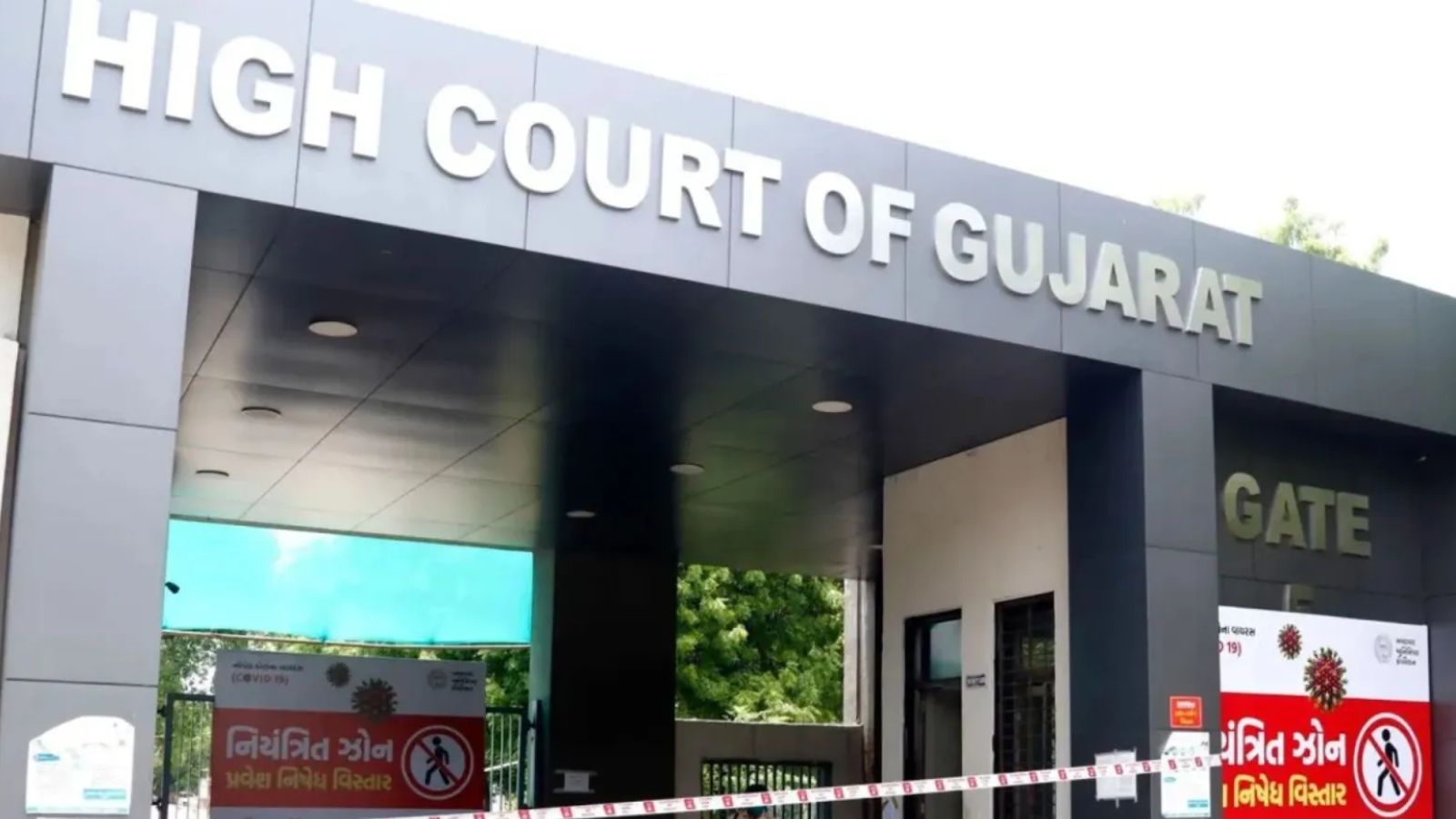
The Gujarat High Court has rejected the bail plea of a State Bank of India (SBI) cash officer accused of manipulating ATM records to embezzle ₹1.93 crore. The court cited strong digital and CCTV evidence.
- SBI Cash Officer Bangmoy Chakravarti denied bail by Gujarat High Court.
- Accused allegedly manipulated ATM and Core Banking System records.
- Total misappropriated amount estimated at over ₹1.93 crore.
- Strong digital trail including CCTV and mobile location data found.
In a significant ruling regarding white-collar crime, the Gujarat High Court has denied bail to Bangmoy Chakravarti, a former cash officer at the State Bank of India (SBI). Chakravarti stands accused of orchestrating a sophisticated scheme to siphon off ₹1.93 crore by manipulating ATM balances and bank records at the Rajpipla branch in Narmada district.
The Mechanics of the Fraud
According to the prosecution, Chakravarti utilized his administrative credentials to bypass standard banking protocols. While responsible for loading cash into ATMs and cash deposit machines, he allegedly manipulated the balances displayed by the systems. By making fraudulent entries in the bank’s Core Banking System (CBS), he made it appear as though cash had been deposited, while he was actually withdrawing the funds for personal gain.
The investigation has traced the stolen funds through a complex web of transactions involving UPI, RTGS, and NEFT. The money was reportedly moved to accounts belonging to relatives in Uttar Pradesh, Bihar, and Jharkhand, and eventually into various ICICI Bank accounts.
The Digital Smoking Gun
The prosecution presented a formidable digital trail that proved decisive in the court's decision. Despite being transferred to the Nasvadi branch, Chakravarti's official credentials remained active, allowing for irregular entries. Most critically, CCTV footage and mobile phone location data placed the accused at the exact locations of the ATMs during the times the unauthorized withdrawals occurred.
Economic offenders who escape justice leave the entire community aggrieved; such crimes are committed with deliberate design for personal profit.
Why This Matters
BozokMedia analysis shows that this case highlights a critical vulnerability in the banking sector: the misuse of administrative access by trusted employees. As banking becomes increasingly digitized, the reliance on electronic trails provides both the means for fraud and the primary tool for detection.
Frequently Asked Questions
1. What was the primary method used in the fraud?
The accused manipulated ATM balances and bank records to hide cash shortfalls while appearing to make deposits.
2. Why did the High Court deny bail?
The court cited the seriousness of the economic offense and the risk of evidence tampering due to the electronic nature of the crime.