Australian prosecutors are appealing the sentence of Erin Patterson, the woman who poisoned three relatives with death cap mushrooms, arguing her current 33-year minimum term allowing for parole is "manifestly inadequate" for her "truly dreadful" crime. The Court of Appeal is also considering Patterson's own challenge to overturn her convictions, with decisions expected in weeks or months.
- Prosecutors argue Erin Patterson's 33-year minimum sentence for mushroom poisoning is "manifestly inadequate."
- They demand she remain in prison indefinitely, citing the "truly dreadful" nature of her crime.
- Patterson's legal team is simultaneously appealing her convictions, alleging procedural errors.
- The Court of Appeal has reserved its decisions, with outcomes anticipated in the coming months.
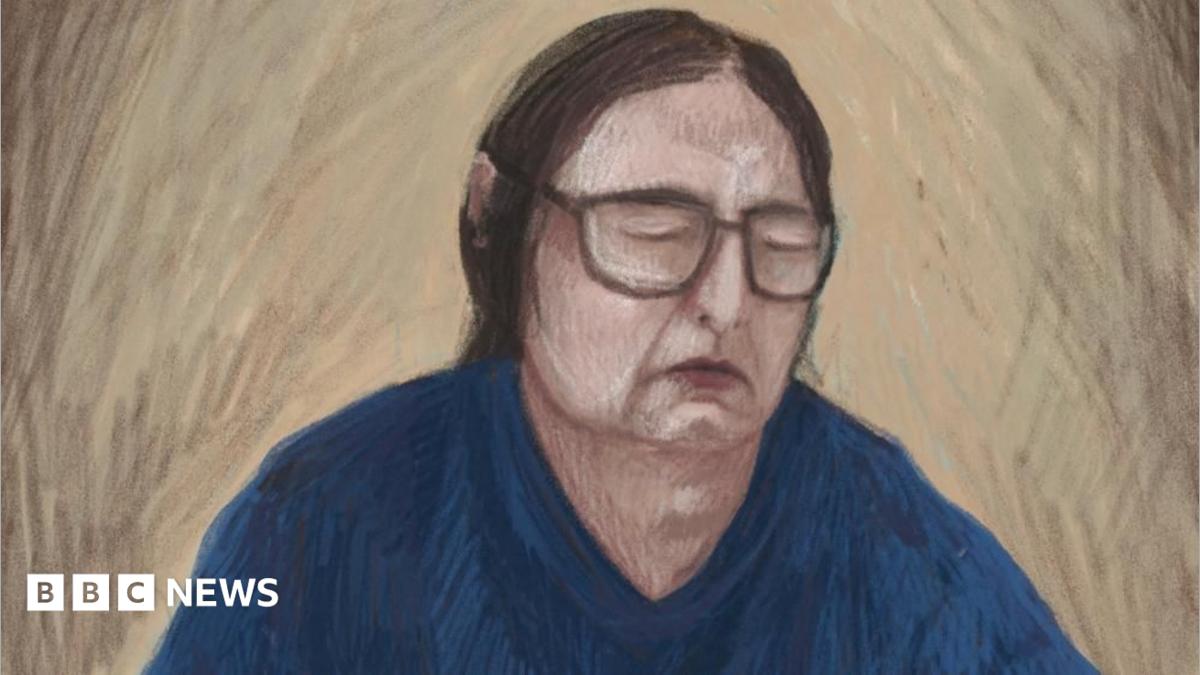
An Australian court has been told that the crimes of mushroom murderer Erin Patterson were "truly dreadful" and that she should never be allowed to leave prison. Crown prosecutors are appealing against a sentence they call "manifestly inadequate" as it allows for the possibility of parole. Patterson was jailed for life after killing three of her relatives and trying to kill another by serving them a beef Wellington containing death cap mushrooms at her Victoria home in 2023.
The 51-year-old, who attended the Court of Appeal via video link from prison, will be eligible to be freed after 33 years. The Court of Appeal in Melbourne has also heard a challenge from Patterson's lawyers as they try to overturn her convictions. The judges say they will reserve their decisions, meaning it will likely be weeks or months before the outcome of both appeals is known.
Patterson's victims include her in-laws Don Patterson (70) and Gail Patterson (70), and Gail's sister Heather Wilkinson (66), who all died after what prosecutors called "shocking illnesses" as a result of the poisoning. The only surviving guest, Heather's husband Ian Wilkinson, has never fully recovered from his ordeal.
Outlining why Patterson's crime was so "dreadful", prosecutors talked of the "betrayal of trust" of family members whom she had invited for lunch. It was, they said, the culmination of a plan she had "orchestrated" for months, including finding and preparing enough death caps to kill and "concocting a fantastic lie" to explain the lunch.
"The lunch guests had been good to the respondent and her children over many years," prosecutors said. "Not only did the respondent sit by and watch her victims consume the deadly meal over chit-chat and banter, but the meal ended with a prayer for her, following her lie about having been diagnosed with cancer." As the guests lay critically ill, Patterson did not admit to using foraged mushrooms, choosing instead to lie to police and health workers.
"Even when she knew that some of the victims were on life support, she maintained her lies," the prosecutors said. At sentencing in September last year, Justice Christopher Beale said he was giving Patterson a glimmer of hope of release, solely because of her "harsh" prison conditions, telling her "there is a substantial chance that, for your protection, you will continue to be held in solitary confinement for years to come."
But the prosecutors say this was "overstated", arguing her conditions would improve over time, especially as her notoriety faded. In court, prosecutor Brendan Kissane listed the activities open to Patterson in prison, including an exercise yard and access to hobbies including crocheting. According to reporters in court, at this point, the triple murderer closed her eyes and shook her head.
While prosecutors say Patterson should never be freed, they argue that if the appeal court disagreed, then it should at least increase the minimum sentence – calling 33 years "manifestly inadequate". The minimum term open to the judge for the offences was 30 years. In written arguments, they said an additional three years "utterly fails to reflect the gravity of the offending or vindicate the dignity of each of the four victims." Arguing for the punishment to be left as it was, Patterson's lawyers said the judge's reasoning had been "impeccable" and had "clearly taken into account all relevant considerations" and "made appropriate findings about how serious this matter was."
Why This Matters
BozokMedia analysis shows this case highlights the complexities of justice in premeditated crimes, especially those involving familial betrayal. The debate over minimum sentencing and parole eligibility underscores the societal demand for accountability versus judicial considerations of rehabilitation and prison conditions. The outcome will set a precedent for similar high-profile cases.
"This appeal is less about guilt and more about the societal expectation of justice for heinous crimes, where the severity of the act often clashes with the legal framework for sentencing and rehabilitation."
Frequently Asked Questions
Q1: What is the current status of Erin Patterson's case?
A1: Both prosecutors and Erin Patterson's legal team have presented their appeals to the Court of Appeal in Melbourne. Prosecutors seek to remove parole eligibility or increase the minimum sentence, while Patterson's lawyers aim to overturn her convictions. The court has reserved its decisions.
Q2: What are "death cap mushrooms" and why are they so dangerous?
A2: Death cap mushrooms (Amanita phalloides) are highly poisonous fungi native to Europe but found worldwide. They contain potent toxins (amatoxins) that cause severe liver and kidney damage, often leading to organ failure and death if not treated promptly, with symptoms typically appearing hours after consumption.