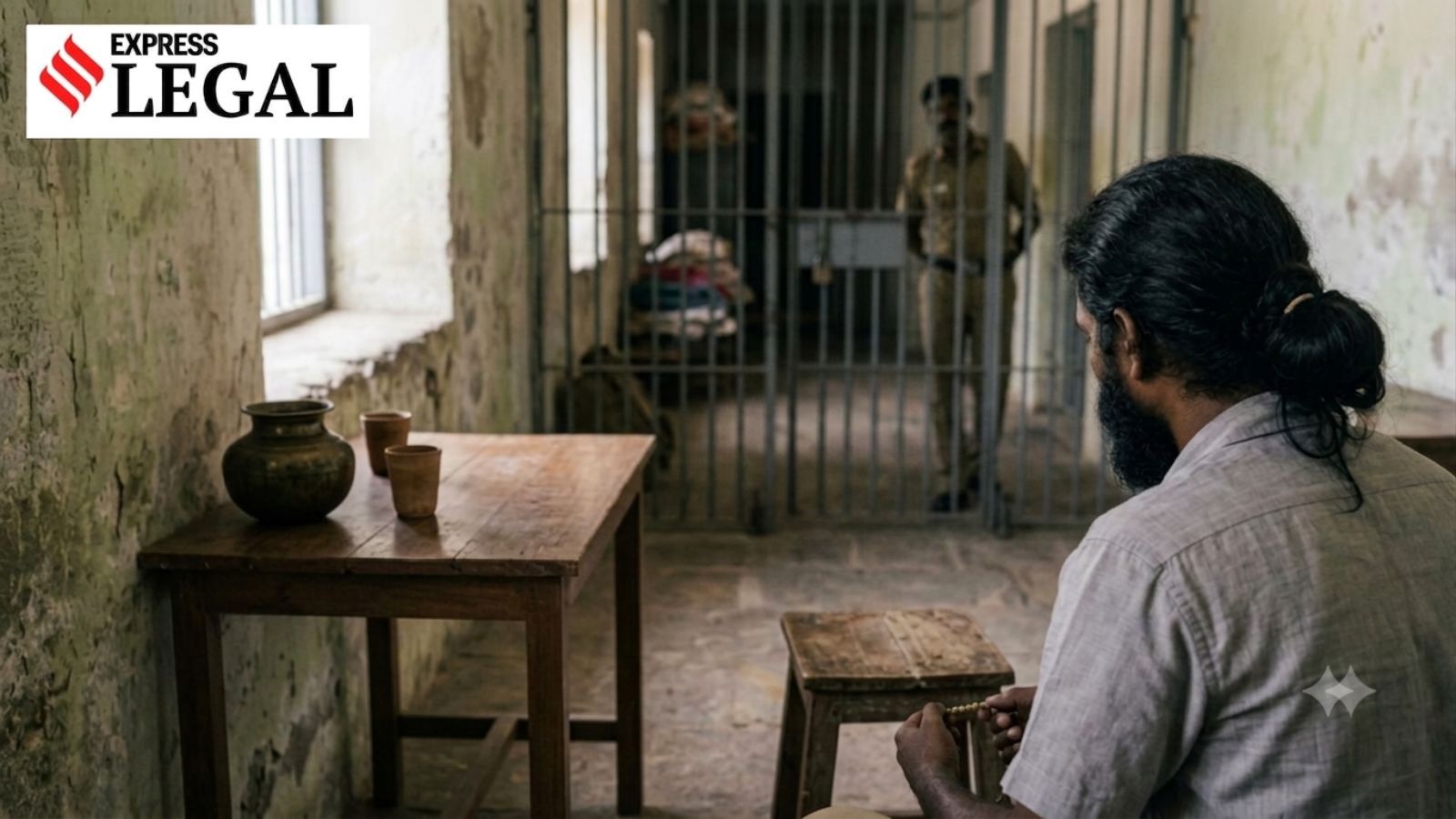
The Madras High Court has ruled that undertrial prisoners cannot be forced to cut hair grown for religious purposes. The court directed authorities to strictly adhere to the Tamil Nadu Prison Rules.
- Madras High Court protects religious rights of undertrial prisoners.
- Jail authorities must strictly follow Rule 213(3) of the Tamil Nadu Prison Rules, 2024.
- Hair cutting can only be mandated on medical or hygiene grounds.
In a significant ruling upholding individual liberties, the Madras High Court has declared that an undertrial prisoner cannot be compelled to cut hair grown for religious purposes. The court issued this directive following a petition by a prisoner's mother, who alleged that jail authorities were forcing her son to shave his head and trim his moustache against his religious beliefs.
The Legal Battle
The petitioner moved the court seeking protection for her son's religious identity. She alleged that despite submitting a formal representation to the authorities on August 13, no action was taken, and the pressure to conform to standard grooming practices continued. The plea invoked Article 14 of the Constitution, emphasizing the right to equality and the right to lead a life consistent with one's religious faith.
Why This Matters
BozokMedia analysis shows that this judgment serves as a crucial check on the discretionary powers of prison administration. It reinforces the principle that while prison discipline is necessary, it cannot override the fundamental constitutional rights of an individual, especially regarding religious expression.
The judiciary has once again stepped in to ensure that institutional discipline does not morph into religious intolerance.
During the proceedings, a bench comprising Justice A D Jagadish Chandira and Justice B Murugesan heard arguments from the State counsel. The State clarified that while Rule 213 of the Tamil Nadu Prison Rules allows for hair cutting on medical or hygiene grounds, religious sentiment must be respected unless it poses a health risk to others.
Historical Context of Prison Rights
Historically, prison environments have often prioritized uniformity and strict discipline over individual rights. However, through various landmark judgments, the Indian judiciary has evolved to view prisoners as human beings with retained constitutional protections. This case highlights the shift toward a more rights-based approach in correctional services.
| Grounds for Hair Cutting | Permissible Under Rules | Religious Context |
|---|---|---|
| Hygiene/Health | Yes (Rule 213) | Must be medically justified |
| Religious Observance | No | Protected under Article 25 |
| Discipline/Uniformity | Limited | Cannot override faith |
Frequently Asked Questions (FAQ)
1. Can a prisoner be forced to cut hair for hygiene reasons?
Yes, under Rule 213(3), if the hair growth affects the hygiene of other inmates, authorities can issue orders.
2. What constitutional right was invoked in this case?
The petitioner invoked Article 14 (Right to Equality) and the right to religious faith.

