The Delhi Police has dismantled a sophisticated criminal network selling counterfeit and diverted anti-cancer medicines across six major cities, involving hospital staff and government supply leaks.
- Delhi Police arrested 17 individuals for selling counterfeit and stolen anti-cancer drugs.
- The syndicate included four employees from prominent private hospitals.
- Methods included theft from CGHS stocks, hospital theft, and manufacturing fake vials.
- High-value drugs like Keytruda, costing up to ₹2 lakh per vial, were targeted.
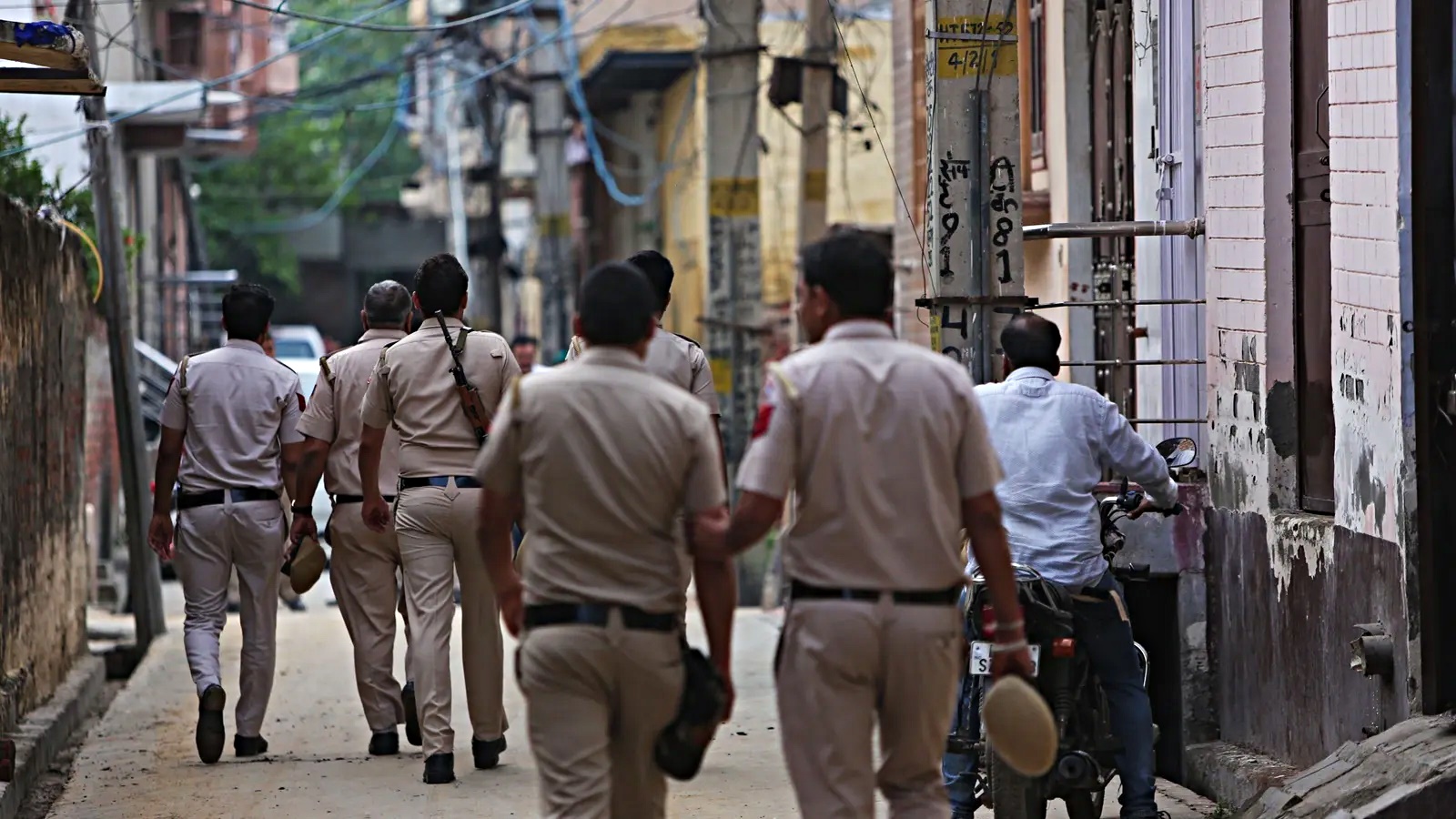
In a major crackdown on medical organized crime, the Delhi Police has arrested 17 people for allegedly operating a massive racket involving the sale of counterfeit and illegally diverted anti-cancer medicines. The operation spanned across six metropolitan cities, revealing a chilling exploitation of cancer patients in desperate need of treatment.
The investigation has uncovered that the syndicate utilized three primary channels to source their illicit inventory: the diversion of medicines from government warehouses, including Central Government Health Scheme (CGHS) stocks; the theft of expensive vials and packaging from private hospitals; and the manufacturing of high-quality counterfeit drugs. Among the arrested are four staff members from leading private hospitals, highlighting a deep-seated corruption within medical institutions.
Why This Matters
BozokMedia analysis shows that this racket targets the most vulnerable demographic—patients fighting terminal illnesses. By imitating packaging and using fake batch numbers, criminals bypass the scrutiny of desperate families, turning life-saving immunotherapy into a lethal tool of fraud.
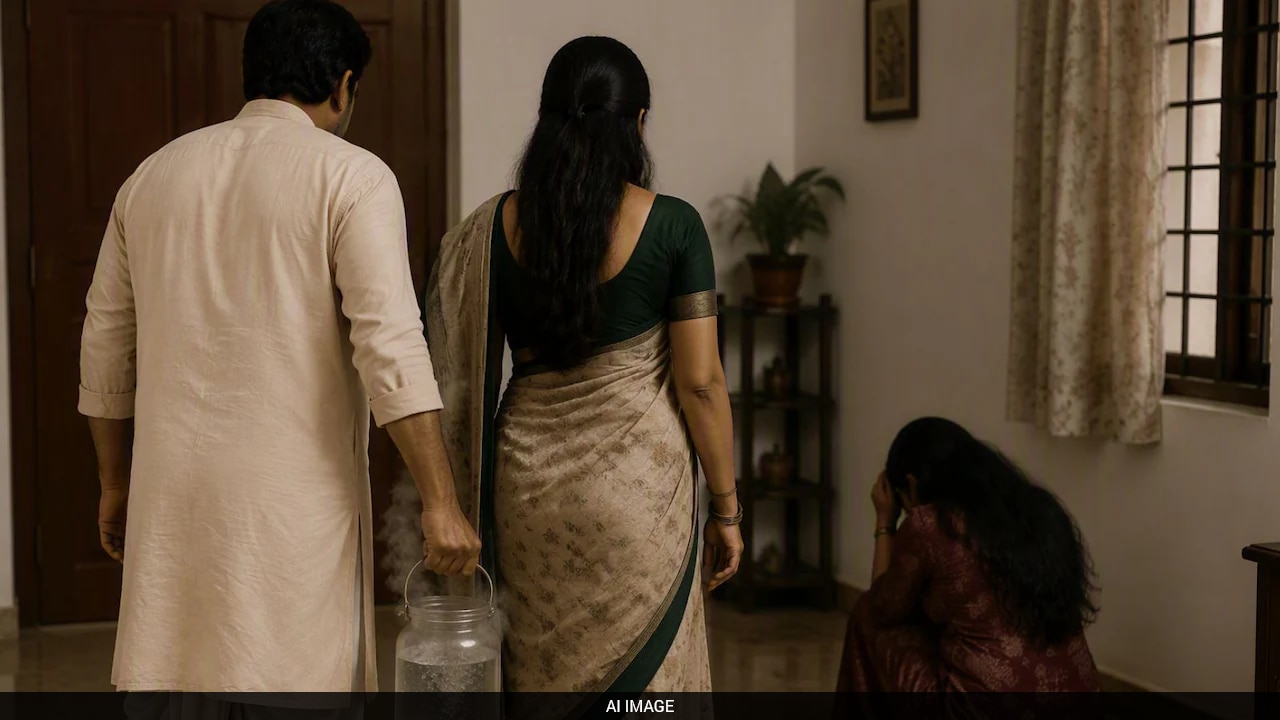
The accused manufactured counterfeit drugs by imitating vials and packaging, filling them with sterilized water to sell as real medicine.
The drugs involved in the scam include blockbuster medications such as Keytruda, Opdyta, Darzalex, and Imfinzi. These drugs, used for treating lung, blood, and solid tumors, can cost anywhere from ₹15,000 to ₹2,00,000 per vial. To conceal their tracks, the criminals used chemicals like acetone to wipe away original MRP details and batch numbers before repackaging the stolen or fake contents.
Key arrests include Anand Kumar from Noida, Deepak (alias Ravi) from Faridabad, and Jaswant Sharma, a nursing in-charge who allegedly diverted oncology department supplies. The police are now widening the probe to include government employees in Rajasthan, Madhya Pradesh, Bihar, and Chhattisgarh to investigate how CGHS stocks were leaked into the black market.
Frequently Asked Questions
1. Which drugs were primarily affected by this racket?
The scam involved high-end immunotherapy drugs like Keytruda, Darzalex, and Erbitux.
2. How did the criminals deceive patients?
They used stolen or imitation packaging and filled vials with sterilized water to mimic real, expensive anti-cancer treatments.