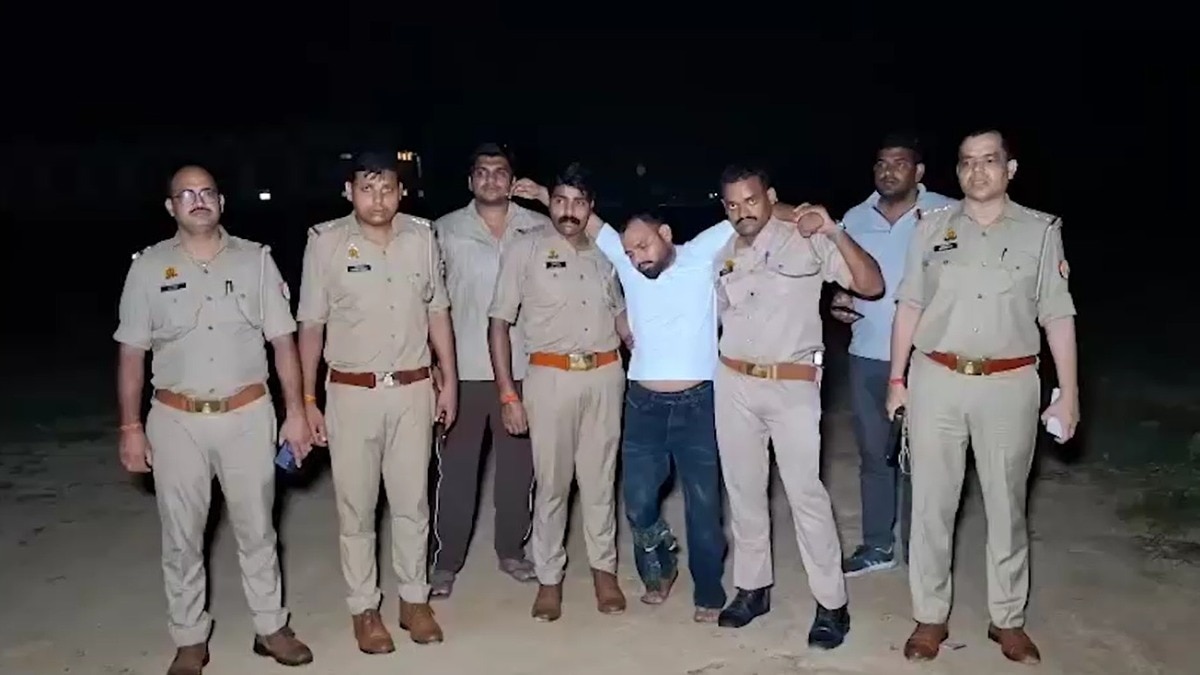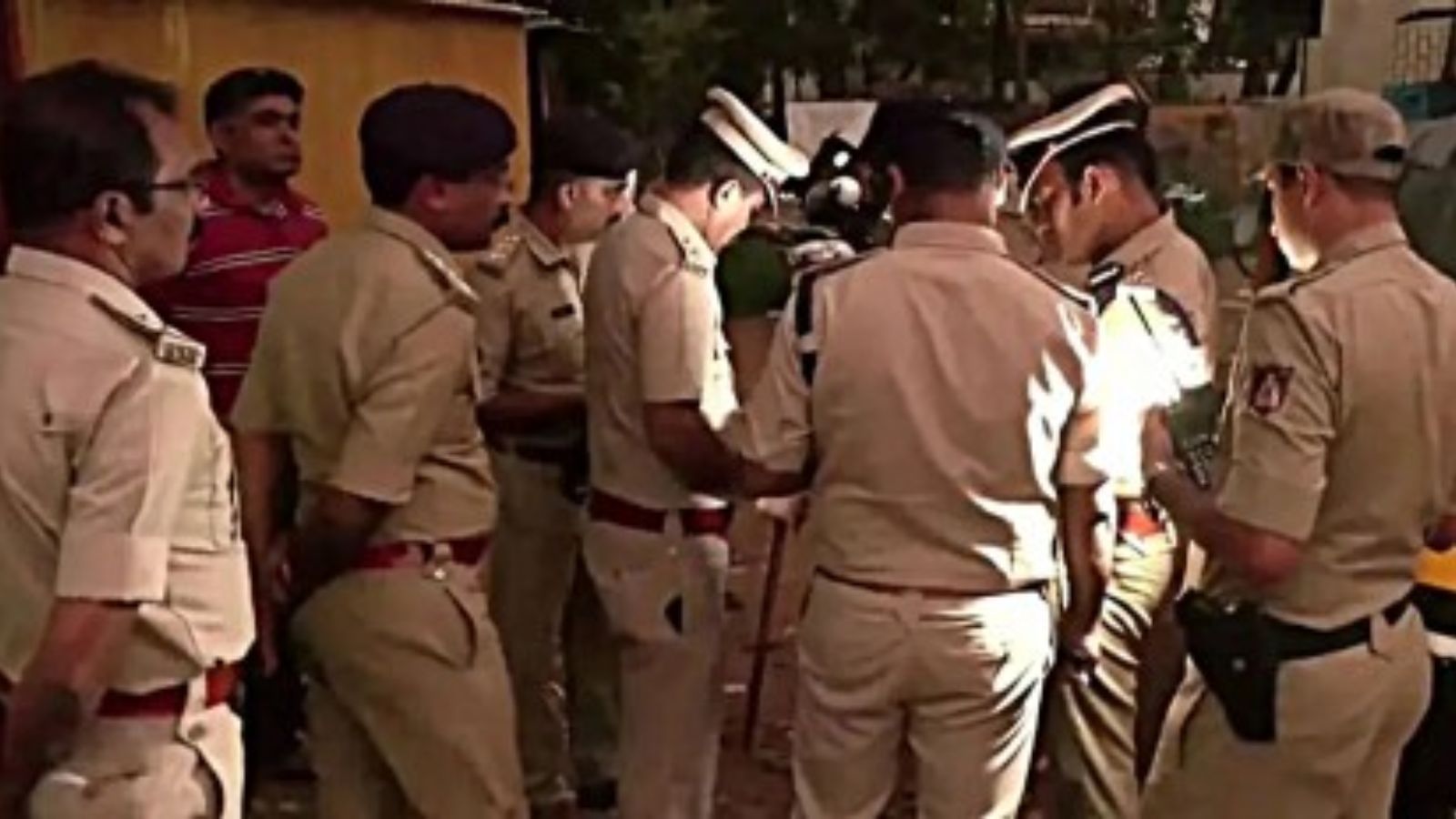
The investigation into the shooting of three alleged poachers in Karnataka's Hanur region is on hold as police await a magisterial report. A 1991 state order provides temporary immunity to forest staff involved in encounters.
- Three alleged poachers were shot dead by forest officials in Hanur.
- A 1991 government order grants immunity to forest staff during encounters.
- Police investigation is stalled pending a mandatory magisterial inquiry.
- Forest officials claim the firing was in self-defense.
The Karnataka Police are currently in a legal stalemate regarding the shooting of three individuals suspected to be poachers in the Cauvery Wildlife Sanctuary. On the night of August 14-15, forest officials engaged in an encounter in the Hanur region, resulting in the deaths of Antony Swamy (50), John Rose Peter (43), and Sebastian David Kumar (35).
While an FIR for murder has been registered based on a complaint by Lourde Mary, the wife of Antony Swamy, the investigation cannot proceed. This delay is due to a significant legal provision: a state order issued on September 20, 1991, which grants temporary immunity from prosecution to forest officials involved in encounters within protected areas.
Why This Matters
BozokMedia analysis shows that this case highlights the delicate balance between law enforcement and the protection of frontline forest staff. The immunity exists to prevent the psychological paralysis of forest personnel who face heavily armed smugglers, ensuring they can defend themselves and state property without the immediate fear of criminal prosecution.
The 1991 order was a direct response to the era of Veerappan, designed to bolster the morale of forest staff facing lethal threats.
The historical context is crucial. During the height of the poaching menace led by the notorious sandalwood smuggler Veerappan—who was responsible for hundreds of deaths and massive wildlife loss—forest officials were often outgunned. The 1991 order was implemented to ensure that subordinates did not suffer mental agony and legal harassment for acting in self-defense.
Conflicting Narratives: Self-Defense vs. Murder
The forest department maintains a firm stance. Dr. Malathi Priya, Chief Conservator of Forests, stated that the deceased were indeed poachers, citing the recovery of two country-made weapons and animal meat at the scene. Furthermore, Forest Minister Ramalinga Reddy informed the Assembly that the firing was a sudden response to gunfire from the suspects' side.
| Perspective | Key Argument |
|---|---|
| Forest Department | Firing was in self-defense; evidence of poaching found. |
| Victims' Family | Unlawful killing by forest officials; murder case filed. |
| Legal Framework | Magisterial inquiry is a prerequisite for criminal proceedings. |
Under the current regulations, a police case can only proceed if a magisterial inquiry finds that the use of force was "unnecessary, unwarranted, or excessive." Until the Executive Magistrate submits this report, the police are legally prohibited from arresting or proceeding against the officers involved.
Frequently Asked Questions
1. Why can't the police arrest the forest officials immediately?
The 1991 order mandates a magisterial inquiry first. Police cannot proceed until the inquiry determines if the force used was excessive.
2. What was the purpose of the 1991 immunity order?
It was created to protect the morale of forest staff who frequently face armed criminals and to prevent them from being prosecuted for legitimate self-defense.