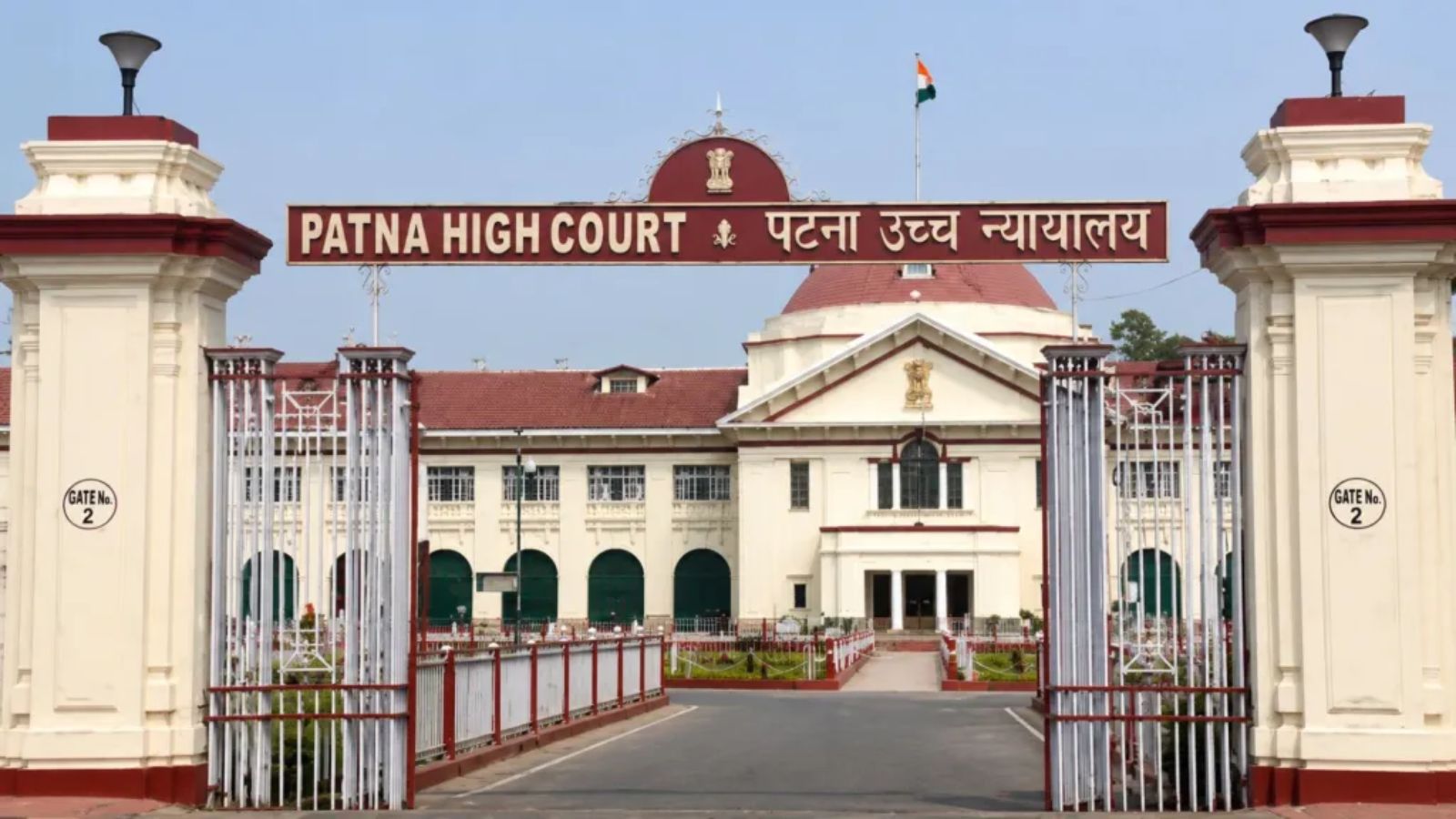
In a landmark ruling, the Patna High Court has established a maximum 45-day timeline for deciding second appeals under the RTI Act. The court also barred authorities from using 'missing records' as an excuse to deny information.
- Second appeals under the RTI Act must now be decided within 30 to 45 days.
- Authorities cannot deny information by citing missing, untraceable, or damaged documents.
- The ruling aims to ensure citizens are not left without legal remedies.
The Patna High Court has delivered a significant verdict aimed at strengthening the Right to Information (RTI) framework in India. Justice Raj Kumar ruled that second appeals filed under the RTI Act must be disposed of within 30 days, extendable to a maximum of 45 days. This decision addresses a long-standing loophole where no specific timeline existed for second appeals.
The ruling is a major blow to bureaucratic inertia. By setting a strict timeline, the court ensures that the transparency promised by the RTI Act, 2005 is not undermined by endless procedural delays in the appellate process.
Historical Background
The verdict stems from a 17-year-old legal battle initiated by petitioner Md Rizwan in 2009. Rizwan had sought certified copies of land records from the Siwan Sadar Circle Office. The Public Information Officer (PIO) had rejected his request using contradictory excuses—claiming documents were both 'unavailable' and 'unreadable/torn'. After a protracted struggle through the State Information Commission, the matter finally reached the High Court.
Why This Matters
BozokMedia analysis shows that this judgment directly tackles the 'administrative negligence' defense. Public authorities often fail to maintain records as per the Bihar Records Manual, 1960, and subsequently use this failure to deny citizens their right to information. This ruling closes that loophole permanently.
"The State cannot take advantage of its own failure to preserve records to deny the right to information."
The court emphasized that under Section 4(1) of the RTI Act, maintaining public records is a statutory duty. If documents are indeed damaged, the court directed that they must be enlarged, digitized, or typed by experts to ensure the petitioner receives usable information. The court's stance aligns with precedents set by the Karnataka and Calcutta High Courts.
Frequently Asked Questions
1. Can a department refuse information if a file is missing?
No. According to the Patna High Court, a missing file cannot be used as a ground to deny information.
2. What is the new timeline for RTI second appeals?
The appeal should ideally be decided in 30 days, with a maximum permissible limit of 45 days.