In Bangladesh, a retired Hindu teacher and his family of four were brutally slain, after which the killers bathed, ate, and consumed narcotics inside the same house. The incident, allegedly triggered by a drug‑use dispute, has raised alarm among human‑rights observers worldwide.
- Four members of a Hindu family were murdered, and the assailants remained in the house to bathe, eat, and use drugs.
- The motive is reported as a clash over drug consumption, but other personal grievances may be involved.
- Local police have arrested two suspects while international NGOs call for swift justice.
Incident Overview
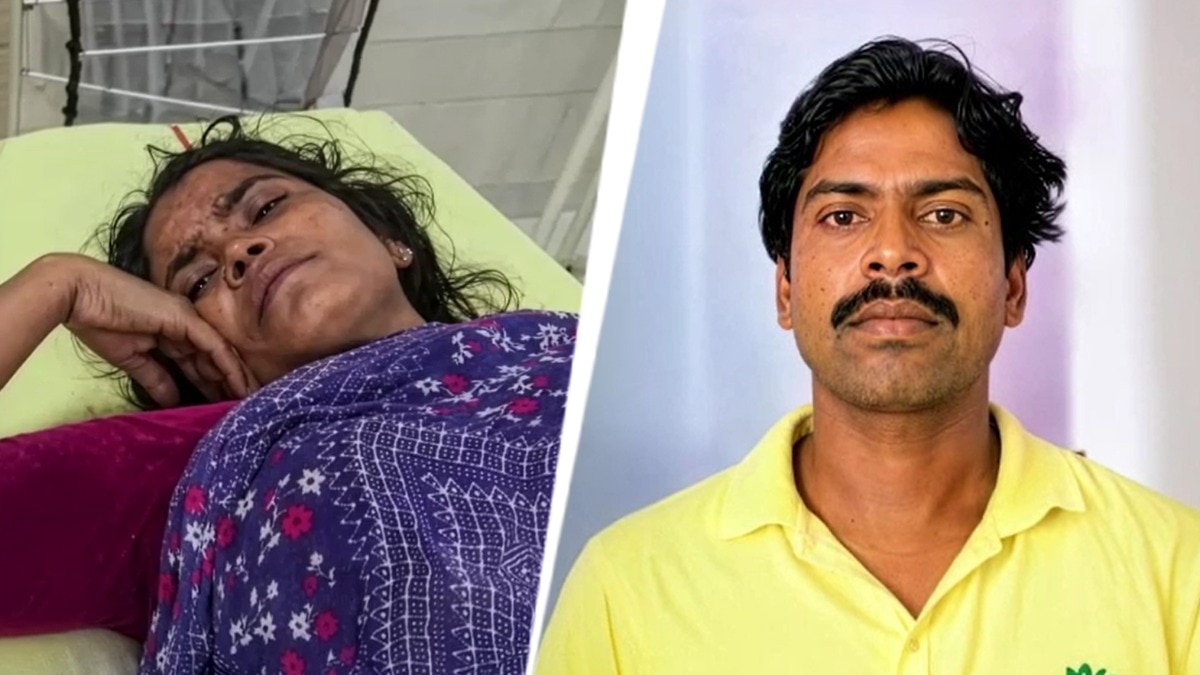
In a small town of Bangladesh, retired Hindu teacher Rajesh Chakravarty, his wife, and two children were found dead. Police say two brothers entered the home, shot the family, and then proceeded to shower, eat a meal of dates and cucumbers, and take narcotics before fleeing.
Motivation and Controversy
The perpetrators claim they acted to stop the family from using drugs, yet investigators suspect deeper motives such as property disputes or communal animosity.
Law‑Enforcement Response
Authorities have opened a formal case, detained the two suspects, and are gathering forensic evidence. However, the prosecution faces challenges due to limited eyewitness testimony.
Why This Matters
BozokMedia analysis shows that such brutal incidents exacerbate communal tensions in Bangladesh and raise serious concerns about the safety of minority communities, potentially affecting the country’s international image and foreign aid.
"Violence of this nature not only violates fundamental human rights but also undermines Bangladesh’s social fabric," said human‑rights analyst Priya Singh.
Frequently Asked Questions
Q1: Has any political interference been identified in this case?
A: No concrete evidence of political meddling has emerged yet, though local political leaders have issued statements condemning the act.
Q2: What steps are being taken to protect minority rights after this murder?
A: International NGOs and local civil‑society groups are demanding swift legal action and stronger protection mechanisms for minority communities.