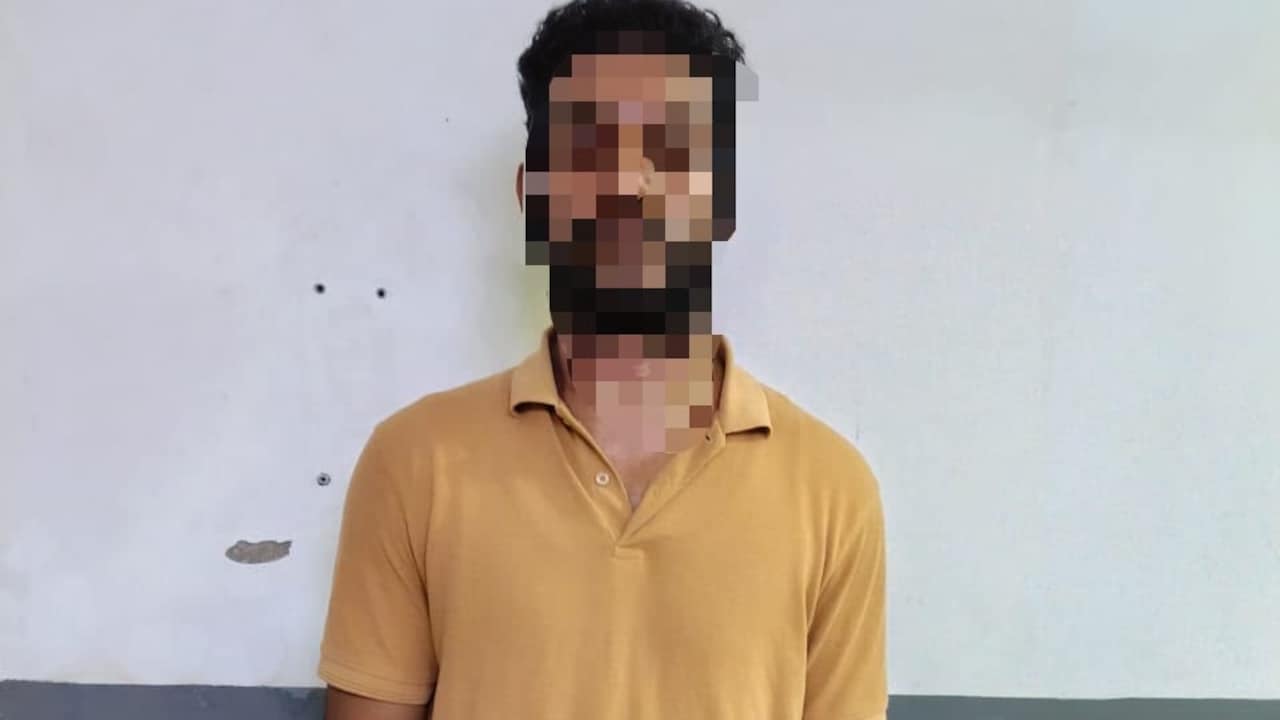
The Enforcement Directorate has taken two men into custody in Mumbai as part of a Rs 30,000 crore money‑laundering investigation linked to a nationwide digital arrest scam affecting hundreds of victims across India.
- Two primary suspects arrested by ED
- Scam involves transactions worth Rs 30,000 crore
- Shell firms and foreign‑exchange channels used to launder money
The Enforcement Directorate (ED) on Sunday presented Fahim Moin Hussain Sayed and Naim Mueen Sayyed before a special PMLA court in Mumbai and secured transit remand to Panaji, Goa. Both are accused of facilitating a pan‑India digital arrest racket valued at roughly Rs 30,000 crore.
The investigation began after a woman from Goa was allegedly coerced between May and June 2025 to transfer Rs 2.60 crore into so‑called “Secret Supervision Accounts” under digital duress. This incident opened a window into a sprawling network that allegedly used shell companies, cash withdrawals and RBI‑licensed money changers to convert illicit proceeds into foreign currency.
According to sources, the alleged cyber‑criminal ring handled bank transactions amounting to Rs 27,000 crore and cash dealings of Rs 3,000 crore, while the total fraud reported by victims is estimated at around Rs 4,000 crore. Over the course of its probe, the ED has seized approximately Rs 3.25 crore in cash during raids in Mumbai and Goa.
Investigators also uncovered that many of the dummy companies listed directors who were merely drivers or low‑level employees living in single‑room accommodations – a tactic believed to mask the true ownership of the entities.
Historical Background
Digital arrest scams first gained notoriety in 2022 when multiple state police forces reported a surge in online extortion cases. Victims are typically lured through fabricated legal notices or threatening messages, prompting them to transfer large sums to “supervision” accounts under the false promise of avoiding arrest.
Why This Matters
BozokMedia analysis shows that the scale of this cyber‑fraud network, spanning multiple states and involving sophisticated money‑laundering techniques, poses a serious threat to India’s financial ecosystem and underscores the urgent need for stronger cyber‑law enforcement.
"Cracking such intricate networks requires deep inter‑agency cooperation and advanced technical capabilities," says cyber‑crime expert Dr. Ajay Singh.
Frequently Asked Questions
Q1: Are other states implicated in this racket?
A: Yes, complaints have been registered in 20 states and Union Territories.
Q2: What next for the arrested suspects?
A: They will appear before the special court in Panaji for custodial interrogation, and further asset seizures are expected.