Petitioners have approached the Supreme Court seeking a complete overhaul of the High-Powered Enquiry Committee (HPEC) investigating the alleged police crackdown at Jantar Mantar. The CJI defended the committee's autonomy.
- Petitioners demand the reconstitution of the HPEC investigating Jantar Mantar violence.
- The Supreme Court emphasized that the committee operates under its 'direct supervision.'
- The panel is led by former SC Judge R. Subhash Reddy.
- Solicitor General Tushar Mehta opposed the application, calling it 'mysterious.'
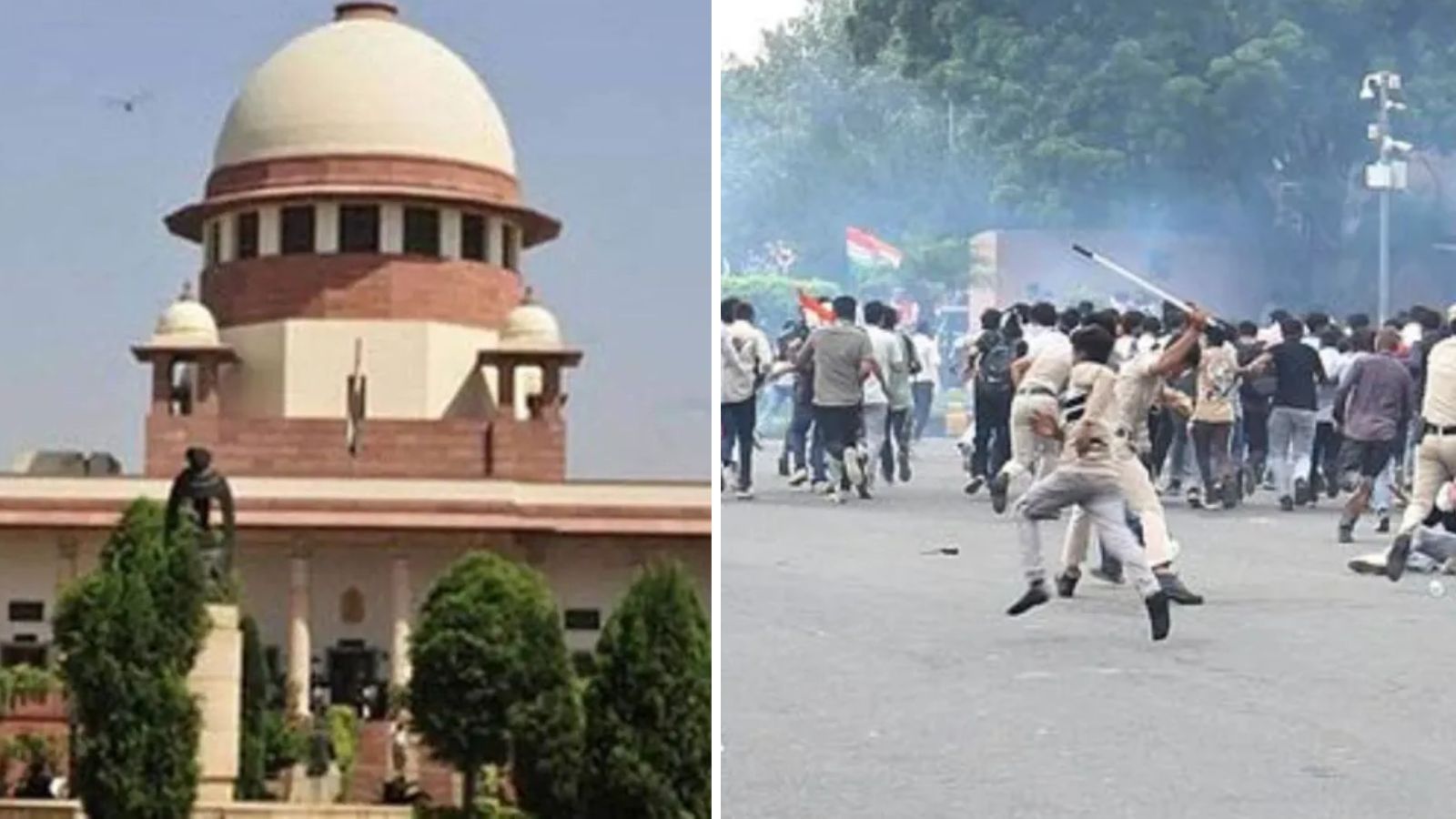
New Delhi: The legal battle surrounding the NEET-UG paper leak protests has taken a new turn. On Tuesday, petitioners approached the Supreme Court seeking the reconstitution of the High-Powered Enquiry Committee (HPEC) tasked with investigating the alleged police crackdown on students at Jantar Mantar during the July 20 Parliament march.
The Genesis of the Inquiry
On August 18, a three-judge bench led by Chief Justice of India Surya Kant established a five-member committee to probe the violence and heavy-handedness reported during the student demonstrations. The committee is headed by former Supreme Court judge R. Subhash Reddy and includes distinguished members such as former Punjab and Haryana High Court Chief Justice Ravi Shankar Jha, former Delhi High Court judge Shalinder Kaur, former CBI Director Rishi Kumar Shukla, and retired DGP L. R. Bishnoi.
Judicial Response to Reconstitution Plea
Responding to the plea filed by senior advocates Gopal Sankaranarayanan and Prashant Bhushan, the Supreme Court maintained a firm stance on the existing panel. Chief Justice Surya Kant reminded the petitioners that the HPEC is working under the "direct supervision" of the apex court. The bench noted that the court has not disposed of the matter and it remains pending, implying that the judicial oversight is sufficient to ensure impartiality.
"Parties cannot become judges of their own cause; let the committee perform and see their results." - CJI Surya Kant.
Arguments from the Solicitor General
The request met stiff resistance from Solicitor General Tushar Mehta. Representing the government, Mehta characterized the application as "mysterious" and suggested that certain petitioners harbor "perennial misgivings" about every official proceeding. He urged the court to club this application with the main petitions rather than treating it as a separate, distracting motion, arguing that the prayer to name specific judges for the committee was inappropriate.
Why This Matters
BozokMedia analysis shows that this legal friction highlights the growing tension between student activists and state enforcement agencies. The credibility of the HPEC is central to restoring public trust in the investigation of the NEET-UG protests. If the committee's composition is perceived as biased, it could undermine the legitimacy of the entire judicial inquiry into the student crackdown.
Frequently Asked Questions
1. What is the HPEC?
The High-Powered Enquiry Committee is a specialized five-member panel appointed by the Supreme Court to investigate the police action against students at Jantar Mantar.
2. Why do petitioners want a new committee?
Petitioners have expressed serious misgivings regarding the current committee's composition and seek a different panel to ensure a truly impartial probe.