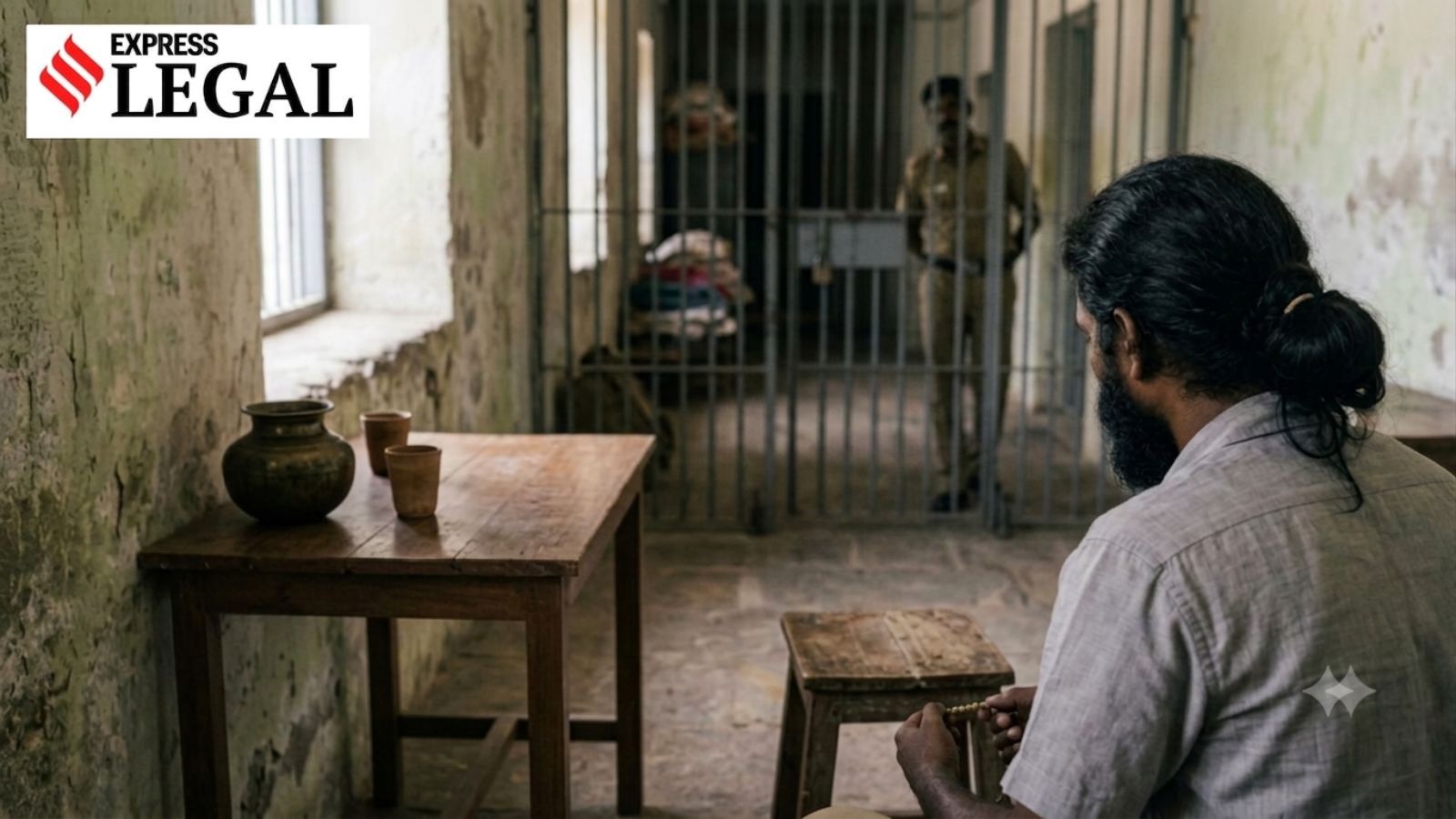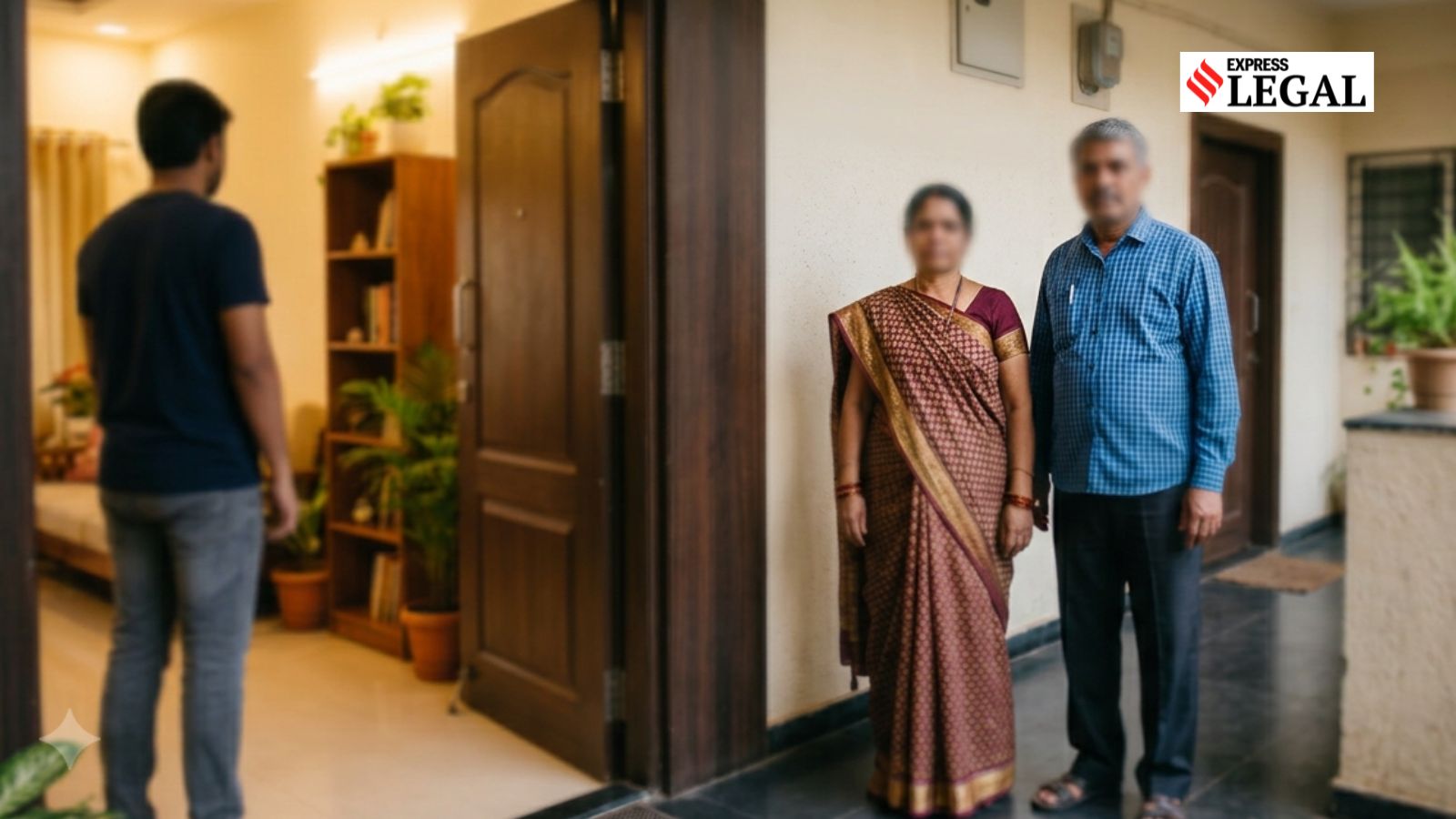
The Bombay High Court has ruled that senior citizens cannot be deprived of the peaceful enjoyment of their property. The court upheld an eviction order against a son residing in his parents' Pune apartment.
- Bombay High Court prioritized the rights of senior citizens over a son's claim to a property.
- The court ruled that 'maintenance' includes the right to peaceful residence and beneficial enjoyment of property.
- Justice Amit Borkar emphasized that ownership rights of parents supersede unadjudicated claims by children.
- The ruling protects elderly individuals from being deprived of their property's utility due to family disputes.
In a landmark judgment, the Bombay High Court has upheld an order evicting a son from his senior citizen parents' flat in Pune. The court emphasized that senior citizens must not be "deprived of use, occupation or beneficial enjoyment of his or her property in a manner affecting normal life."
Justice Amit Borkar, while presiding over the plea filed by the son, noted that the parents are the rightful owners. The court clarified that a mere assertion of a proprietary right in a pending civil suit cannot defeat the statutory rights of senior citizens to seek protection under the Maintenance and Welfare of Parents and Senior Citizens Act, 2007.
Why This Matters
BozokMedia analysis shows that this ruling significantly expands the interpretation of 'maintenance' under Indian law. It moves beyond mere financial sustenance to include the psychological and physical right to live undisturbed in one's own home. This sets a vital precedent for aging populations facing property disputes within domestic settings.
The purpose of the Act is to ensure senior citizens can live a dignified life, not to conduct a comparative inquiry into the wealth of the child versus the parent.
The dispute arose when the petitioner-son challenged a sessions court order, claiming the property was joint family property built from ancestral income. However, the parents contended that they were struggling to meet medical expenses and rent because the son was occupying the premises without providing financial support. The court found that the son's continued occupation directly impacted the parents' ability to derive income and live normally.
Crucially, the court held that legal protection is not limited to cases where the child and senior citizen reside in the same physical space. If the child's presence or occupation prevents the senior citizen from using their property effectively, the law provides a remedy for eviction.
| Feature | Son's Argument | Court's Ruling |
|---|---|---|
| Property Status | Claimed Joint Family Property | Parents are the rightful owners |
| Right to Occupy | Claimed residence since birth | Right to peaceful enjoyment belongs to owners |
| Maintenance Scope | Focused on ownership claims | Includes right to residence and property use |
Frequently Asked Questions
1. Can a child be evicted from a parent's house even if they claim it is joint property?
Yes, until a competent Civil Court declares the child's ownership, the parents' rights as owners prevail.
2. Does 'maintenance' only mean providing money to parents?
No, the court ruled it also includes the right to reside peacefully and enjoy the benefits of one's own property.