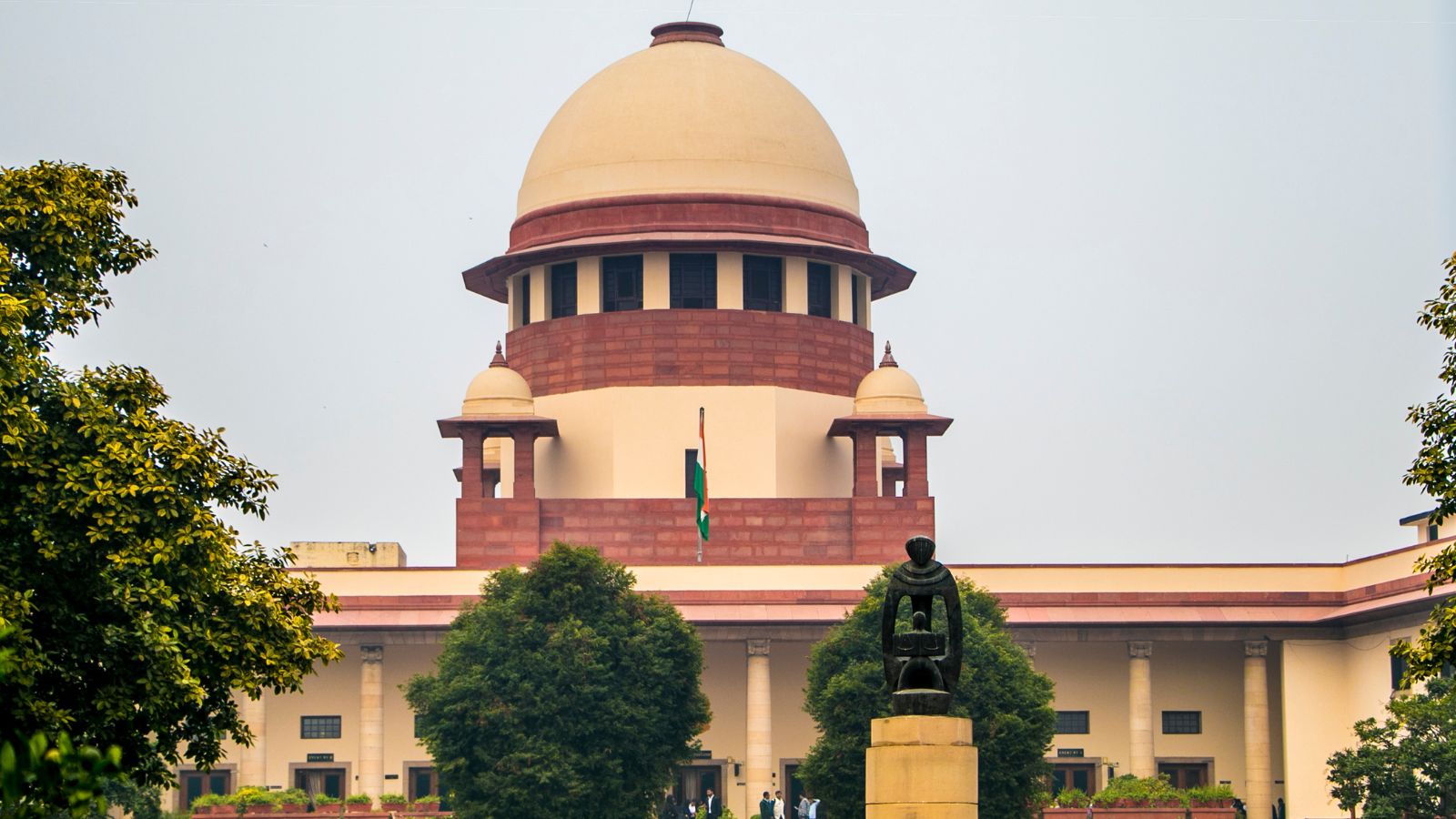
A deep dive into the Supreme Court's conflicting approaches toward majestic elephants and urban street dogs, questioning the moral consistency of our legal system.
- The Supreme Court emphasized the 'paramount importance' of the welfare of Raman, Kerala's tallest elephant.
- Contrasting rulings show a narrower, more restrictive approach toward street dogs in urban settings.
- Legal frameworks often suffer from anthropocentric bias, valuing animals based on human utility.
In a significant observation, a Supreme Court division bench recently asserted that the judiciary cannot remain a 'mute spectator' regarding animal welfare. This stance emerged during the case of Jayakrishna Menon vs. Krishnankutty & Ors, involving the custody and care of Raman, the iconic and tallest elephant of Kerala. The Court directed the Kerala Government to take custody of the animal, highlighting a duty toward 'voiceless animals.'
A Tale of Two Judgments
The judicial approach in the elephant case stands in stark contrast to the rulings seen in Re: City Hounded by Strays, Kids Pay Price. While the court treated the elephant's well-being as a matter of supreme importance, its stance on street dogs involved a much narrower interpretation of the law, leading to the mass removal of dogs from public spaces. This discrepancy raises profound questions about how the same institution weighs the suffering of different species.
Why This Matters
BozokMedia analysis shows that this legal inconsistency reflects a deeper societal hierarchy. If the judiciary recognizes the inherent rights of a charismatic species like the Indian elephant, the disregard for the welfare of millions of street dogs suggests a lack of a unified moral compass in our legal statutes.
Equal consideration does not require identical treatment, but it must extend to all beings capable of feeling pain.
The distinction often boils down to legal categorization. The Indian Elephant is an endangered species protected under the Wild Life (Protection) Act, 1972. Conversely, the street dog is frequently viewed through the lens of the Prevention of Cruelty to Animals Act, 1960, often perceived more as a public management issue than a conservation priority.
Comparative Legal Framework
| Feature | Indian Elephant | Street Dogs |
|---|---|---|
| Legal Status | Endangered/Protected Species | Public Management Issue |
| Primary Legislation | Wild Life (Protection) Act, 1972 | Prevention of Cruelty to Animals Act, 1960 |
| Judicial Focus | Welfare and Protection | Control and Removal |
Moral philosopher Peter Singer argues that true equality requires 'equal consideration' for all beings with subjective awareness. The current Indian legal landscape, however, appears heavily influenced by anthropocentric bias, where an animal's worth is often measured by its relationship with or impact on humans.
Frequently Asked Questions (FAQ)
1. Why did the Supreme Court intervene in the case of the elephant Raman?
The court intervened to ensure the elephant's well-being and to prevent the defiance of court orders regarding his care and use.
2. What is the main criticism of the current animal laws?
Critics argue that laws are anthropocentric, meaning they protect animals based on their value to humans rather than their own inherent right to exist and avoid suffering.