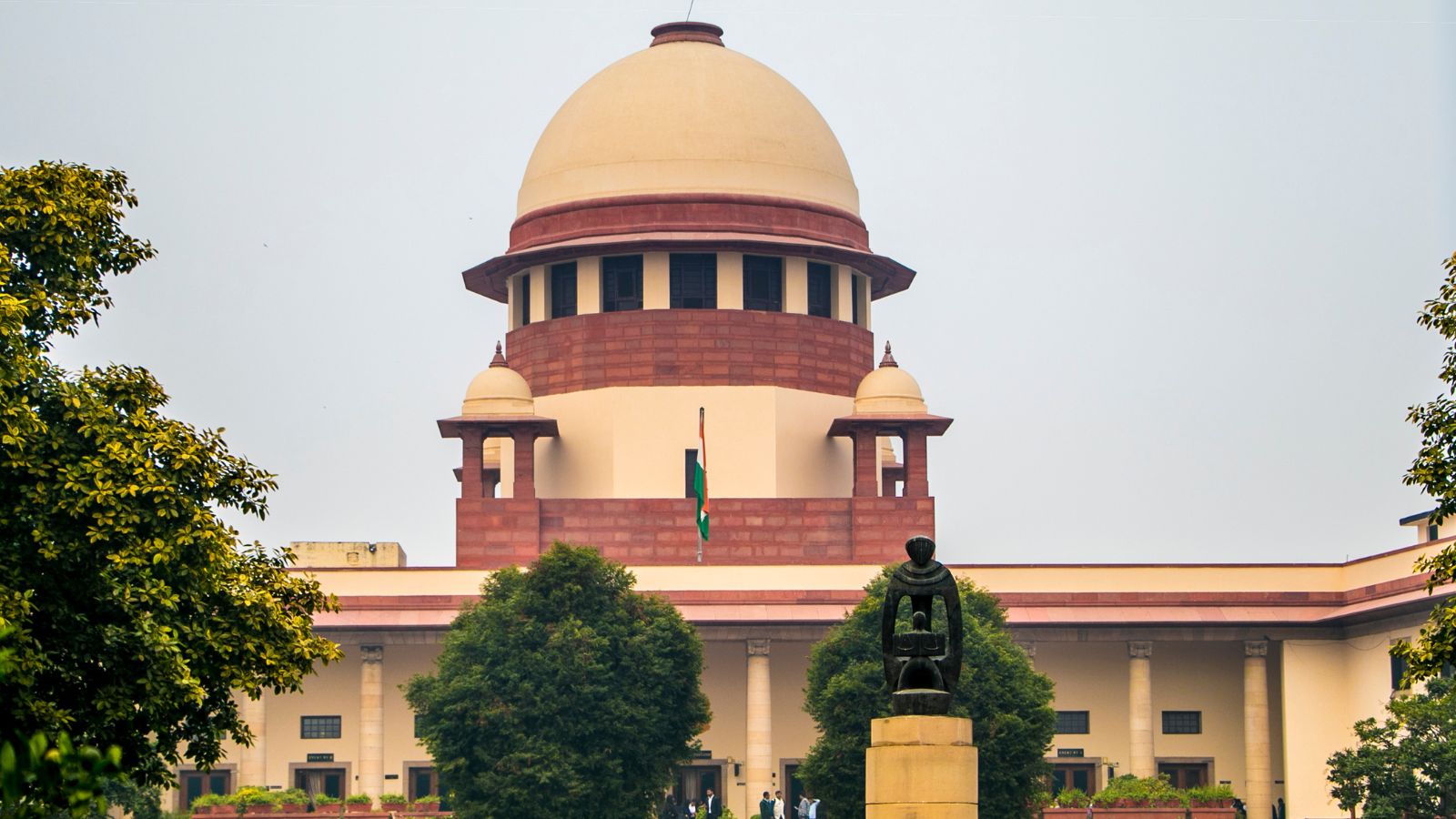
The Punjab government has approached the Supreme Court to stay a High Court order directing the release of ₹14,191 crore in pending DA arrears within 15 days, citing legal and fiscal impossibility.
- Punjab government has moved the Supreme Court against the High Court's 15-day deadline to pay ₹14,191 crore in DA arrears.
- The State argues that withdrawing such funds requires a mandatory legislative appropriation process under the Constitution.
- Fiscal stress is a major concern, with committed liabilities consuming 82% of the state's revenue.
In a significant legal escalation, the Punjab government has moved the Supreme Court on Tuesday, challenging a directive from the Punjab and Haryana High Court. The High Court had ordered the state to release all pending Dearness Allowance (DA) and Dearness Relief (DR) to employees and pensioners within a fortnight.
The Special Leave Petition (SLP), filed by the Additional Chief Secretary (Finance), contends that the total financial obligation of ₹14,191 crore is so massive that compliance within the stipulated 15-day window is "not lawfully possible." The state is seeking an interim stay on the High Court's August 3 judgment and any potential contempt proceedings.
Constitutional and Legislative Hurdles
The crux of the government's argument lies in the constitutional procedure for spending public money. The plea highlights that funds cannot be withdrawn from the Consolidated Fund of the State without following the strict protocol laid out in the Constitution. This includes a supplementary statement of expenditure under Article 205(1)(a), a demand for a grant under Article 203(3), and an Appropriation Act under Article 204.
The state cannot bypass the legislative assembly to fulfill a judicial mandate that requires formal budgetary appropriation.
Fiscal Crisis and Economic Implications
BozokMedia analysis shows that Punjab is grappling with extreme fiscal constraints. According to a Cabinet Sub-Committee report, committed expenditure on salaries and pensions accounts for approximately 51% of the state's revenue receipts—significantly higher than the national average of 38%. When including interest on liabilities, the total consumption reaches nearly 82%.
The government argued that paying the arrears in a single installment would equal roughly three months of the entire state's wage and pension bill, potentially crippling welfare spending and other essential services.
Comparative Breakdown: State vs. Central Pay Scales
| Factor | Punjab State Rules | Central Government Rules |
|---|---|---|
| DA Determination | State Government Discretion | Fixed by the Centre |
| Pay Scale Factor | Higher (2.72 Multiplication) | Lower (2.57 Multiplication) |
| All India Services | Paid at Central Rates | Paid at Central Rates |
The state further clarified that while it pays All India Services officers at central rates due to Union laws, its own civil services rules allow for state discretion. It noted that in several categories like clerks and constables, Punjab employees already earn more than their central counterparts due to a higher basic pay structure.
Frequently Asked Questions
1. Why is the Punjab government refusing to pay the DA arrears immediately?
The government claims it lacks the legal authority to withdraw ₹14,191 crore from the Consolidated Fund without an Appropriation Act passed by the Legislative Assembly.
2. What is the status of the employees' side in this case?
Employees have already filed a caveat in the Supreme Court and are pursuing a contempt petition in the High Court scheduled for September 27.