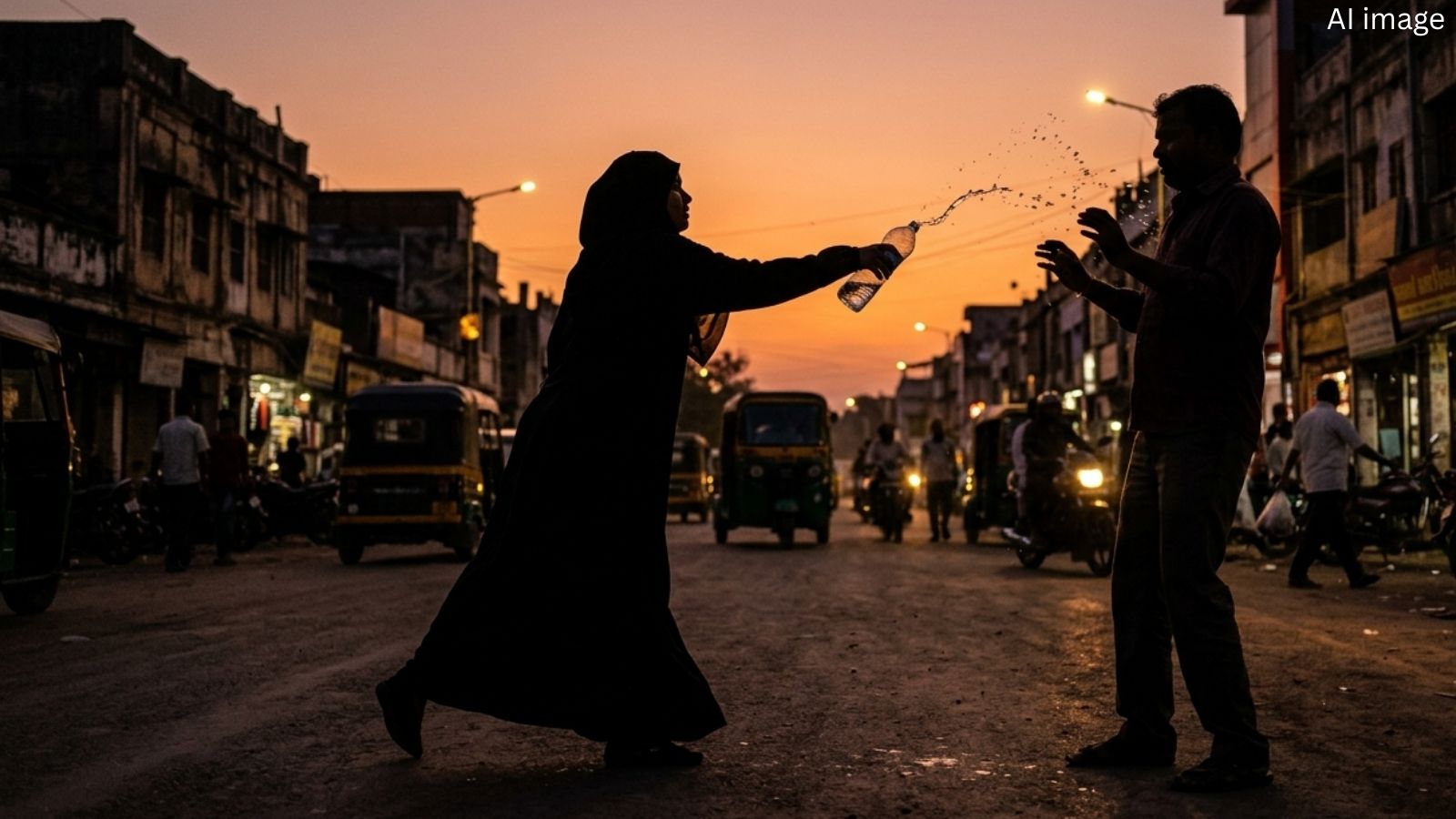
A teenage girl was gang-raped inside a moving bus on a 43-km route between Noida and Delhi after being offered a lift during heavy rains. The shocking incident has exposed massive security lapses, including missing CCTV cameras and a complete lack of police barricades, sparking nationwide outrage.
- A teenage girl was gang-raped inside a moving bus traveling from Noida to Delhi.
- The 43-km route had only two police barricades and major stretches lacked functional CCTV cameras.
- The incident has triggered massive political outrage and renewed questions over women's safety in the NCR.
In a chilling reminder of the vulnerabilities women face in the National Capital Region (NCR), a teenage girl was brutally gang-raped inside a moving private bus traveling from Noida to Delhi. The victim, who was out on the streets following a domestic dispute with her parents, was lured into the vehicle under the guise of assistance during heavy downpours, with the perpetrators saying, "We are going your way."
The horrific crime has exposed glaring lapses in interstate security and surveillance. Despite the long 43-kilometer journey across state borders, the bus encountered only two police barricades. Furthermore, key stretches of the route lacked functional CCTV cameras, allowing the criminals to operate with complete impunity before dumping the victim 30 kilometers away.
Why This Matters
BozokMedia analysis shows that the persistent failure to secure public transit networks in metropolitan areas like the National Capital Region (NCR) directly undermines women's mobility and public safety. Despite massive budgetary allocations for smart surveillance, systemic gaps in interstate coordination between Delhi and Uttar Pradesh police forces continue to be exploited by criminals.
"The lack of active surveillance and physical police presence on interstate routes turns public transport into a blind spot for horrific crimes." - Senior Security Analyst
Security Guidelines vs Ground Reality
| Security Standard | Ground Reality |
|---|---|
| Mandatory GPS & CCTV in public transport | Missing or non-functional devices on private buses. |
| Extensive PCR patrolling & barricading | Only 2 barricades on a 43-km interstate route. |
| Immediate emergency response helpline | Victim dumped 30 km away without detection. |
Historical Background and Backlash
This incident draws painful parallels to the infamous 2012 Nirbhaya case, which was supposed to be a turning point for women's safety in India. Over a decade later, despite the establishment of the Nirbhaya Fund and strict directives for GPS tracking and CCTV installation on public transit, the implementation remains dangerously inconsistent. The incident has sparked furious political reactions, with opposition leader Rahul Gandhi slamming the Centre and the UP government over the lack of accountability, while actor Bhumi Pednekar publicly expressed her shame over the societal failure.
Frequently Asked Questions
1. How did the perpetrators lure the victim?
The perpetrators offered the victim a lift in their private bus during heavy rains after she had a dispute with her parents.
2. What security lapses were identified on the route?
The 43-km route had only two police barricades and major stretches lacked functional CCTV cameras, making it impossible to intercept the vehicle in real-time.