The Gauhati High Court has ordered the recall of a Mizoram Police press release, ruling that the disclosure of sensitive investigative details led to violent mob attacks on the family of a deceased murder suspect.
- Gauhati High Court ordered the recall of a Mizoram Police press release for violating media briefing protocols.
- The press release named a dead man as the 'principal accused', triggering a mob attack on his family.
- The court criticized the police for failing to maintain law and order and failing to protect the victims.
- A Claims Commissioner has been appointed to evaluate compensation for property damage.
In a significant ruling on the limits of police communication, the Gauhati High Court has severely criticized the Mizoram Police for issuing a press release that allegedly incited public outrage and subsequent mob violence. The court observed that the police breached the established "Police Manual for Media Briefing," leading to a "clear and present threat" to the life and property of a family whose patriarch had already passed away.
The case centers on the disappearance and death of a young girl in December 2025. During the investigation, the police identified the husband of the petitioner as the primary suspect. However, in a bizarre sequence of events, the man died on December 16, 2025. Despite his death, the police issued a detailed press release on January 27, naming him the "principal accused" and disclosing sensitive forensic evidence.
According to the court, the press release went far beyond the permissible scope of a media briefing. It included call-detail records, SIM numbers, the state of the body's decomposition, and specific forensic theories. This disclosure acted as a catalyst for local anger, resulting in three local organizations issuing eviction notices and a mob attacking the family's rented home.
Why This Matters
BozokMedia analysis shows that this case highlights a dangerous trend of "trial by media" fueled by official law enforcement channels. When police disclose investigative tactics and unproven theories to the public, they risk bypassing the judicial process and triggering vigilante justice. This ruling reinforces the necessity of strict adherence to communication protocols to prevent the weaponization of information.
The failure of law enforcement to protect citizens from a mob, after providing the very spark that ignited the violence, is a grave dereliction of duty.
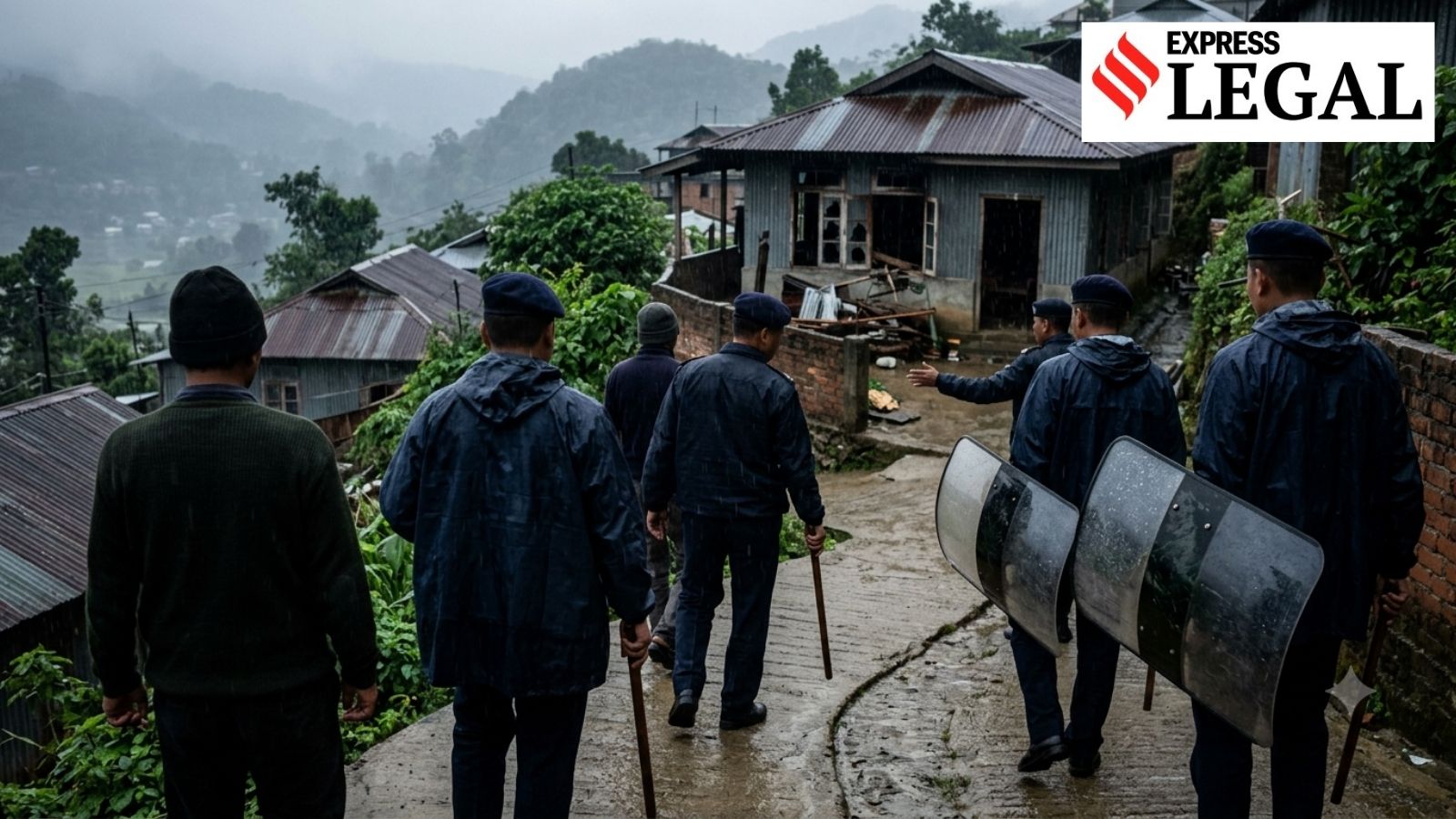
The consequences of the press release were devastating. The mob pelted stones, burned the family's house, destroyed construction materials, and set fire to the daughter's scooter. The family was forced to flee their home in fear for their lives. While the state claimed that a suo motu FIR was registered, the court noted with disappointment that no arrests had been made due to the "volatile situation."
Justice Rajesh Mazumdar expressed profound disappointment in the police's admission that they were unable to maintain law and order. The court questioned why no proactive steps were taken to protect the family once the threat became apparent. To address the financial loss, the court has appointed an additional district and sessions judge as a 'Claims Commissioner' to process the compensation request of Rs 7.61 lakh.
Frequently Asked Questions
Q1: Why did the Gauhati High Court order the recall of the press release?
The court found that the release violated official protocols by disclosing sensitive investigative details and forensic theories, which directly incited mob violence against the family of the deceased suspect.
The petitioner is seeking Rs 7.61 lakh for the destruction of her property, including her home and her daughter's scooter, which were burned during the attack.