In a landmark move, the Supreme Court has utilized Article 142 to scrap all FIRs against students associated with the Cockroach Janta Party. The decision follows government assurances and the subsequent withdrawal of planned protests.
- Supreme Court scrapped all FIRs against NEET protesters nationwide.
- The court invoked Article 142 of the Constitution to ensure complete justice.
- Cockroach Janta Party (CJP) called off its planned September 5 protest march.
- Centre and four states (Maharashtra, Assam, Bihar, West Bengal) supported the quashing of cases.
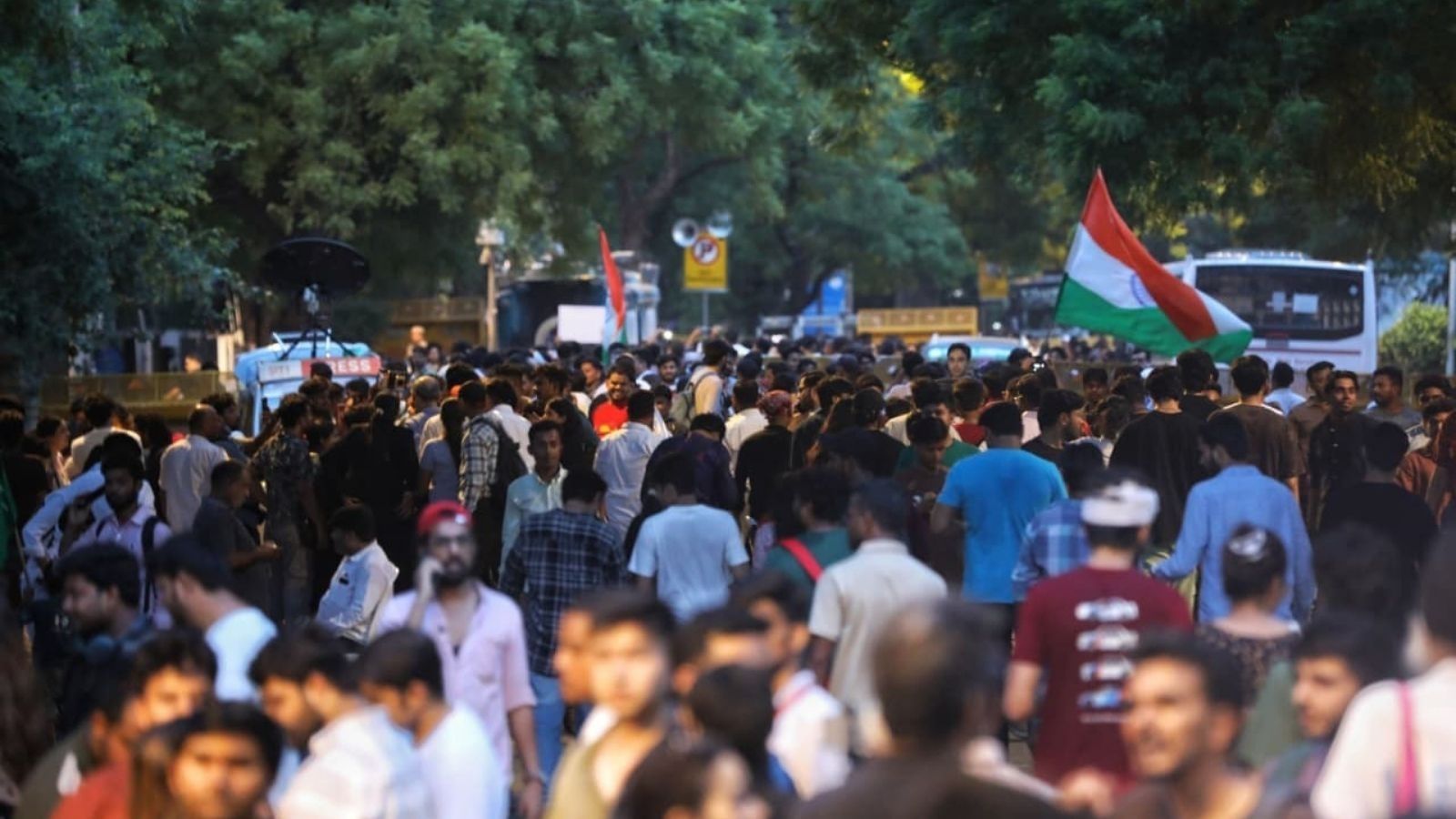
The Supreme Court of India, in a significant judicial intervention, has ordered the scrapping of all First Information Reports (FIRs) registered against protesters associated with the Cockroach Janta Party (CJP). This decision comes as a massive relief to thousands of students who had taken to the streets in July to protest against paper leaks and irregularities in the NEET examinations.
The apex court invoked its inherent powers under Article 142 of the Indian Constitution, which allows the court to pass any order necessary for doing "complete justice" in a given case. This extraordinary power was utilized to clear the legal hurdles facing students across multiple states, ensuring that their academic futures are not jeopardized by criminal litigation arising from democratic protests.
The legal turn of events was precipitated by applications moved by the Delhi Police and the state governments of Maharashtra, Assam, Bihar, and West Bengal. These authorities urged the court to quash the cases, signaling a shift in the government's approach toward the student unrest. This judicial sanction followed positive assurances from the Central Government to the protesters.
Why This Matters
BozokMedia analysis shows that this move is not merely a legal clearance but a strategic political decompression. By removing the threat of imprisonment and criminal records, the government has successfully neutralized the momentum of the Cockroach Janta Party, leading to the immediate withdrawal of the planned September 5 march in Delhi. It highlights the tension between maintaining law and order and the necessity of addressing systemic failures in national examinations.
The invocation of Article 142 in this instance underscores the judiciary's role as a safety valve in a democracy, preventing the weaponization of FIRs against student activists.
During the proceedings, Saurav Das, co-convenor of the CJP, informed the three-judge bench led by Chief Justice of India Surya Kant that the party deemed it appropriate to withdraw the call for the march. Das cited the "judicial sanctity" bestowed upon the government's promises as the primary reason for the decision.
Historically, student-led protests in India regarding examination leaks have often led to prolonged legal battles and police crackdowns. This swift resolution is rare and suggests a high-level desire to close the chapter on the NEET controversy before it escalated into a larger national movement.
Frequently Asked Questions
Q1: Which states were involved in the request to quash the FIRs?
The request was moved by the Centre, Delhi Police, and the states of Maharashtra, Assam, Bihar, and West Bengal.
Q2: Why did the Cockroach Janta Party call off the September 5 march?
The CJP withdrew the protest following the Supreme Court's order to scrap the FIRs and assurances from the Government of India.