In a landmark move, the Supreme Court invoked Article 142 to scrap cases against NEET-UG paper leak protesters. This led to a surprising and respectful exchange between Chief Justice Surya Kant and the satirical Cockroach Janta Party (CJP), which subsequently called off its planned march.
- Supreme Court utilized Article 142 to scrap all cases against NEET-UG protest participants.
- The Cockroach Janta Party (CJP) officially withdrew its planned protest march scheduled for September 5.
- A rare moment of mutual praise occurred between CJI Surya Kant and the CJP representatives in court.
The Supreme Court of India has exercised its extraordinary jurisdiction to quash criminal cases filed against individuals who participated in protests regarding the NEET-UG paper leak. The three-judge bench, led by Chief Justice of India (CJI) Surya Kant, took this step after the Delhi Police and four state governments requested the court to utilize its special powers under Article 142 of the Constitution.
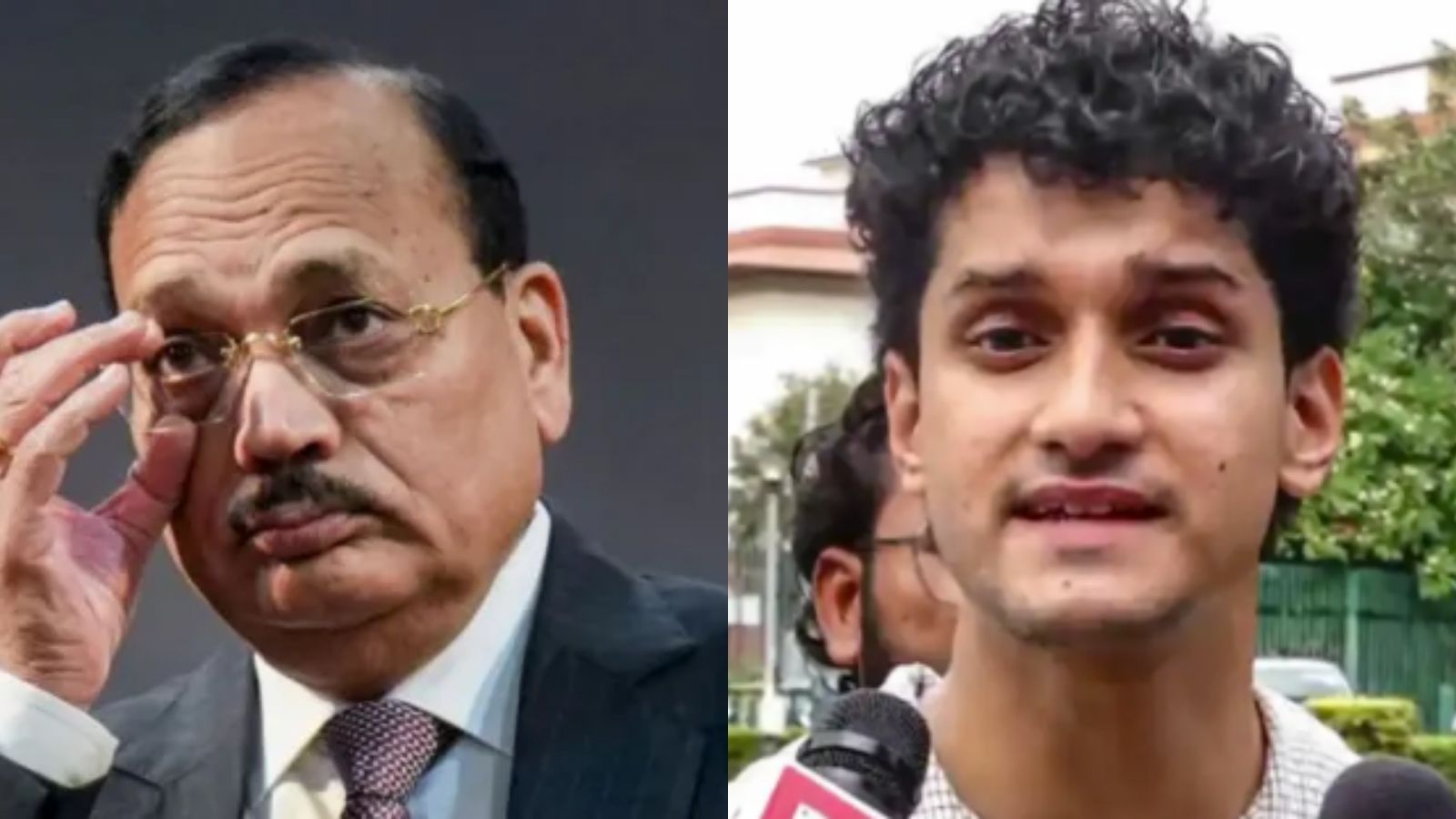
The courtroom witnessed a poignant moment when Saurav Das, the co-convenor of the Cockroach Janta Party (CJP), informed the bench that in light of the government's assurances and the court's order, the CJP deemed it appropriate to withdraw the call for the march on September 5. This marked a significant victory for the student-led movement.
Responding to this gesture, CJI Surya Kant remarked, "You have also shown a very good gesture. Credit to both sides. In a way, as an institution, we are thankful that a very constructive environment has been created which will help youngsters." This exchange is being viewed as a bridge-building exercise between the highest court and a disillusioned youth segment.
Why This Matters
BozokMedia analysis shows that this event transcends a simple legal ruling. The CJP began as a satirical response to the CJI's own words, yet it evolved into a legitimate voice for student grievances. The fact that the CJI acknowledged the 'gesture' of a party born out of a critique of his own remarks signifies a high level of judicial maturity and a willingness to foster a constructive environment for the nation's youth.
"The invocation of Article 142 in this context highlights the Court's role not just as a legal arbiter, but as a social healer during times of systemic unrest."
Historical Background: The Genesis of CJP
The Cockroach Janta Party (CJP) was not a traditional political entity but a satirical social media movement. It was triggered on May 15, when the CJI, while reprimanding a lawyer, mentioned that some youngsters are like "cockroaches" who attack the system after failing to find employment. Although the CJI later clarified that he was targeting those with fake degrees and not the youth in general, the remark went viral.
Founder Abhijeet Dipke seized the moment on X (formerly Twitter), creating an online membership form for all "cockroaches." What started as a meme quickly transformed into a mobilized force that led massive protests against paper leaks in July, eventually bringing the matter to the halls of the Supreme Court.
Frequently Asked Questions
Q1: What is the significance of Article 142 in this case?
A: It allowed the Supreme Court to bypass standard procedural hurdles to scrap cases immediately to ensure social harmony and justice for the students.
Q2: How did the CJP start?
A: It started as a satirical response to a remark by the CJI comparing some system-attackers to cockroaches, which was then adopted by students as a symbol of their struggle.