The Supreme Court ruled that the Bar Council of India lacks statutory authority to discipline law students, reshaping the regulatory framework amid the Nalsar University dispute.
- Supreme Court limits Bar Council's power over law students.
- Disciplinary action must be taken by the educational institution itself.
- The decision strengthens student rights across India.
The Supreme Court on Thursday delivered a landmark judgment stating that the Bar Council of India (BCI) does not have statutory authority to regulate the conduct of law students.
Nalsar University Controversy
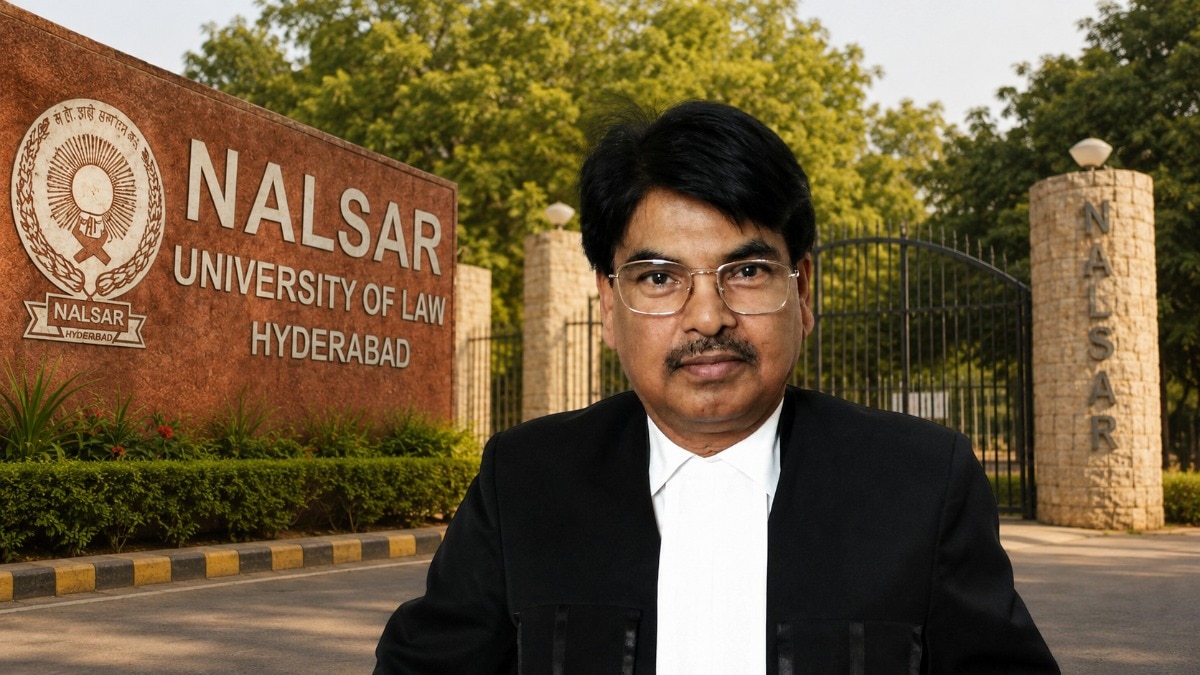
The ruling emerged amid a dispute involving students of Hyderabad's Nalsar University of Law, who objected to the Chief Justice’s proposed participation in the university’s convocation.
Why This Matters
BozokMedia analysis shows that this decision will reshape the regulatory landscape for law education in India, ensuring that disciplinary matters remain within the purview of educational institutions.
"This ruling is a major victory for law students, protecting their rights and preventing unfair targeting by the Bar Council," said a legal expert.
Frequently Asked Questions
- What does the Supreme Court's decision mean for law students?
- Can the Bar Council of India still regulate the legal profession?
A bench comprising Chief Justice Surya Kant and Justices Joymalya Bagchi and V Mohana delivered the order. Bar Council chairman Manan Kumar Mishra had previously ordered the freeze of enrolment for Nalsar’s 2026 batch.
Implications for Educational Institutions
The Court emphasized that any disciplinary action against students must be undertaken by the concerned educational institution under its own rules and regulations.