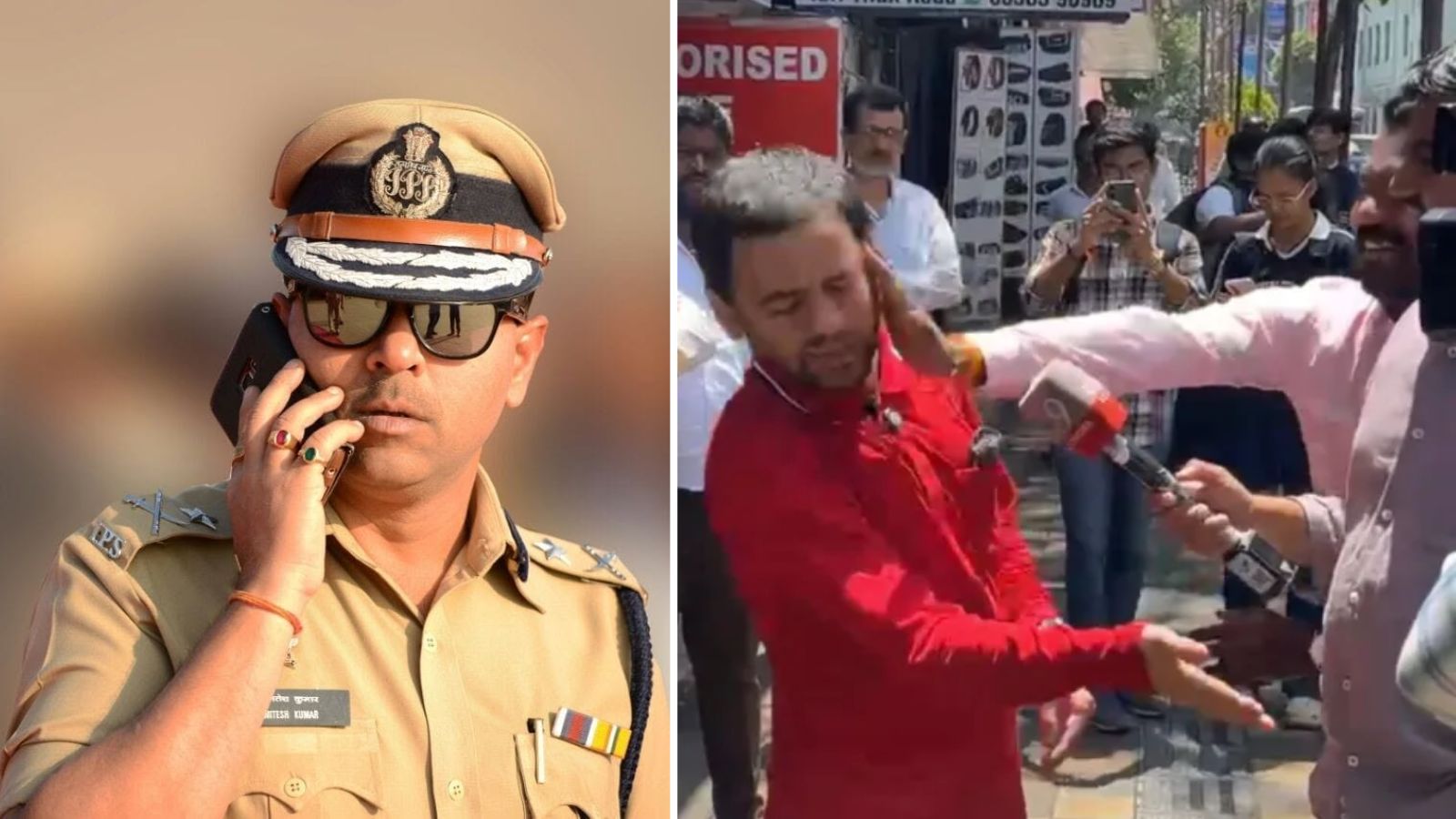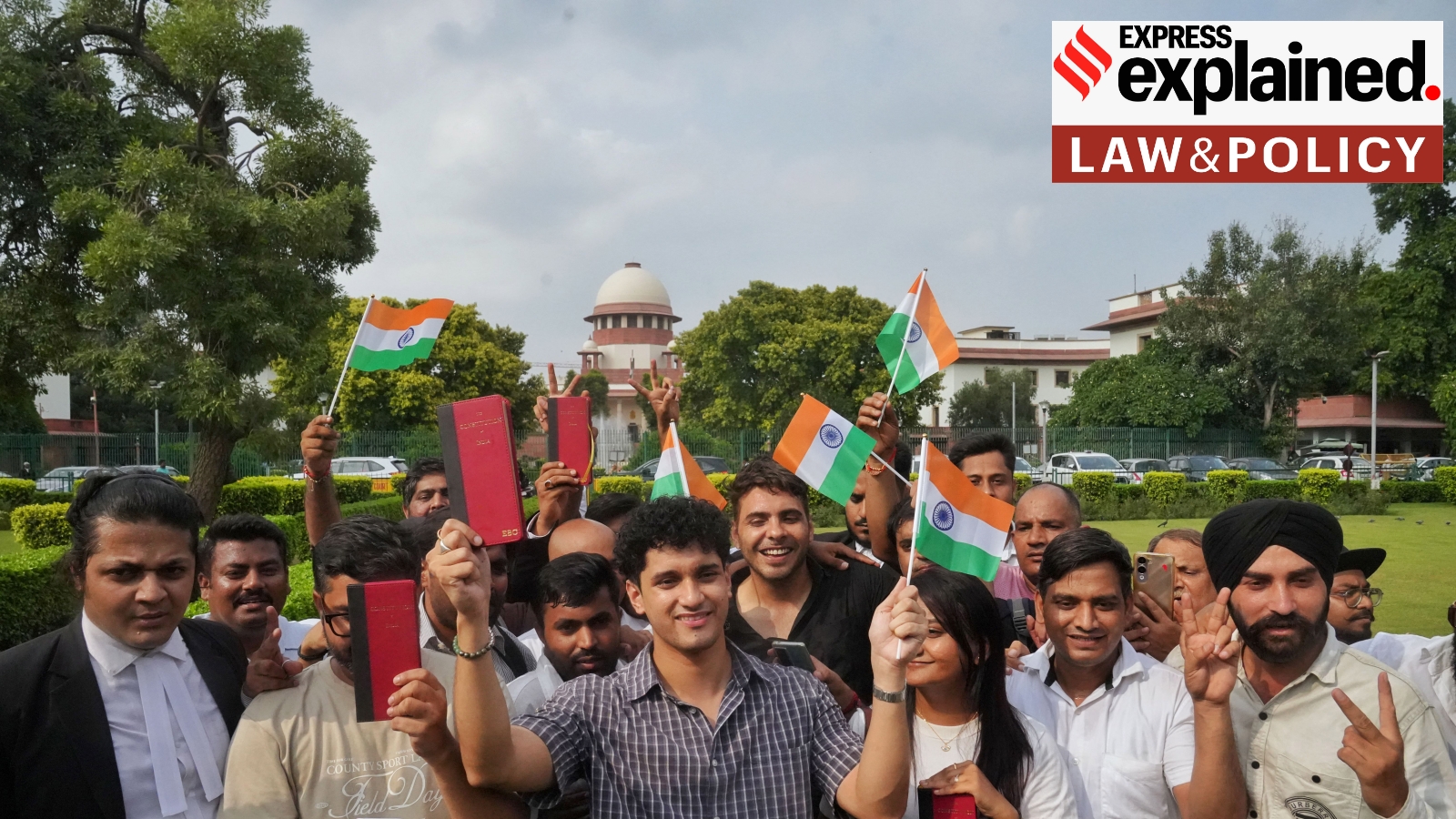
The Supreme Court has invoked Article 142 to quash FIRs linked to CJP-led exam protests. This move has reignited a fierce legal debate over the scope and limits of 'complete justice'.
- The Supreme Court quashed FIRs against protesters led by the Cockroach Janta Party (CJP).
- Article 142 was invoked to ensure 'complete justice' in the ongoing matter.
- Compensation was ordered for families of students who died by suicide due to the NEET-UG 2026 leak.
- Legal scholars debate whether this bypasses standard statutory procedures.
In a landmark ruling this week, the Supreme Court of India utilized its extraordinary powers under Article 142 of the Constitution to quash FIRs filed against participants in the nationwide exam protests led by the Cockroach Janta Party (CJP). A bench headed by Chief Justice of India Surya Kant, along with Justices Joymalya Bagchi and V Mohana, closed the cases following the Centre's decision not to pursue them.
The order specifically exempted approximately 2,873 individuals cited as having "serious and grave criminal antecedents." Furthermore, the court directed compensation, to be paid within three months, to the families of students who tragically committed suicide following the NEET-UG 2026 exam leak. This decision effectively institutionalized a negotiated settlement between the government and the protest group.
The Genesis of Article 142
Article 142 empowers the Supreme Court to pass any decree or order necessary for doing "complete justice" in any cause or matter pending before it. Notably, the Constitution does not define the parameters of "complete justice," granting the judiciary immense discretionary latitude.
The roots of this provision can be traced back to Section 210 of the Government of India Act, 1935, and the colonial-era doctrine of "justice, equity, and good conscience." Adopted by the Constituent Assembly on May 27, 1949, the article has evolved into one of the most expansive tools in the Indian judicial arsenal.
Why This Matters
BozokMedia analysis shows that while Article 142 acts as a vital safety valve for justice, its application in the CJP case raises questions about procedural integrity. By clubbing thousands of FIRs together without individual scrutiny, the court has moved from interpreting law to facilitating political and social settlements, potentially bypassing the Bharatiya Nagrik Suraksha Sanhita (BNSS).
Article 142 is a judicial superpower that can bridge gaps in legislation, but it must not be used to supplant the very statutory laws it is meant to supplement.
Historically, the Court has used this power in monumental cases, including the Bhopal Gas Tragedy settlement, the Ayodhya title dispute, and the release of A.G. Perarivalan. An empirical study by IIM Ahmedabad highlights that between 1950 and 2023, the provision was directly invoked 791 times, primarily in civil matters.
Frequently Asked Questions
1. Can Article 142 override existing laws?
No. In Supreme Court Bar Association v. Union of India (1998), the court ruled that Article 142 can supplement a statute to fill gaps but cannot override or supplant an existing statutory scheme.
2. Why is the CJP order being criticized?
Critics argue that the court bypassed the standard process of examining each FIR's merits under Section 528 of the BNSS, instead using Article 142 to implement a mass settlement.