Bengaluru-based businessman Ravi Prakash was taken into custody by Andhra Pradesh police in a murder‑attempt case, while his wife Sabina was also named as an accused. The family alleges kidnapping and legal procedural lapses have sparked controversy.
- Ravi Prakash arrested in a murder‑attempt case.
- His wife Sabina also named as an accused.
- Procedural questions raised over interstate arrest.
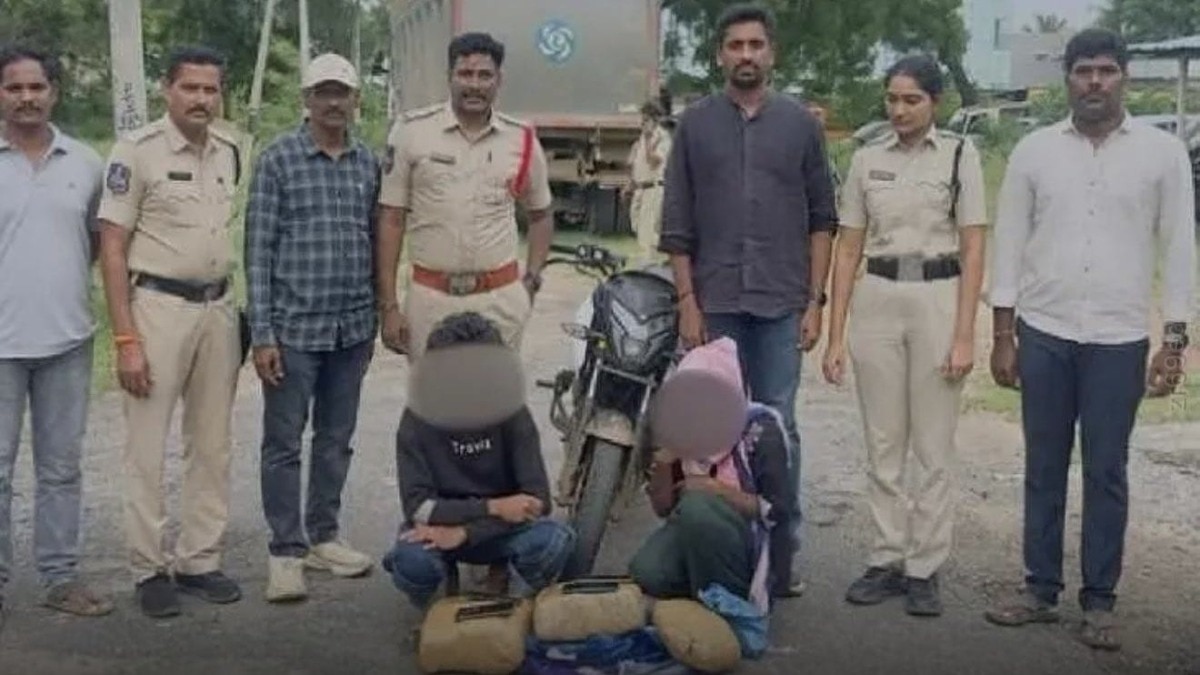
On August 30, Andhra Pradesh Police seized 65‑year‑old businessman Ravi Prakash from a farm house near Bengaluru, a move his family described as kidnapping. The arrest followed a complaint by 45‑year‑old businessman Chaganaboina Murali Mohan, who alleged that Prakash and his wife directed four men to assault him on July 22.
Prakash, Sabina and four other suspects were booked under the FIR, with the latter being the fifth accused. The other four accused—K N Kushal Kumar of Yelahanka, Venkata Siva Prasad of Kadapa, Vara Prasad and Balaraju alias Baludu of Kamalapuram—were also arrested.
Family members claim the police failed to follow the required transit remand procedure before transporting Prakash to Andhra. Despite sending an email and message to Bengaluru Police, the local station seized the vehicle used by the Andhra team, raising legal concerns.
Sabina’s role remains unclear, though she is listed as the sixth accused. The case centers on a property dispute involving a Bengaluru site between Murali Mohan, Putta Ravi Kumar (son of former TTD chairman Putta Sudhakar) and Prakash.
Why This Matters
BozokMedia analysis shows that interstate arrests in India must adhere to strict procedural norms to avoid legal challenges, making this case a critical reminder for law enforcement agencies.
"Without proper transit remand, an arrest can be contested in court," says lawyer Anil Kumar.
Frequently Asked Questions
1. What is the legal procedure for interstate arrests? The accused must first be presented before a local magistrate for transit remand before being transferred to the state where the case is registered.
2. What are the next steps in this case? The accused will be brought before the appropriate court, where the case will be adjudicated and sentencing or further investigation will follow.