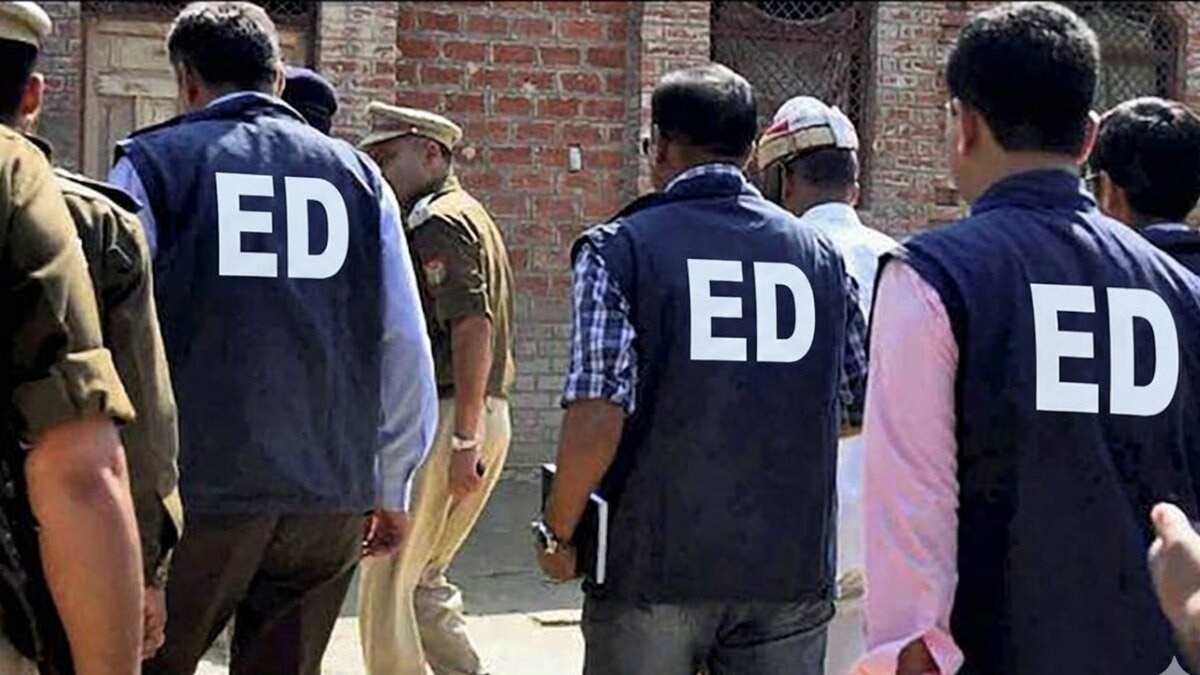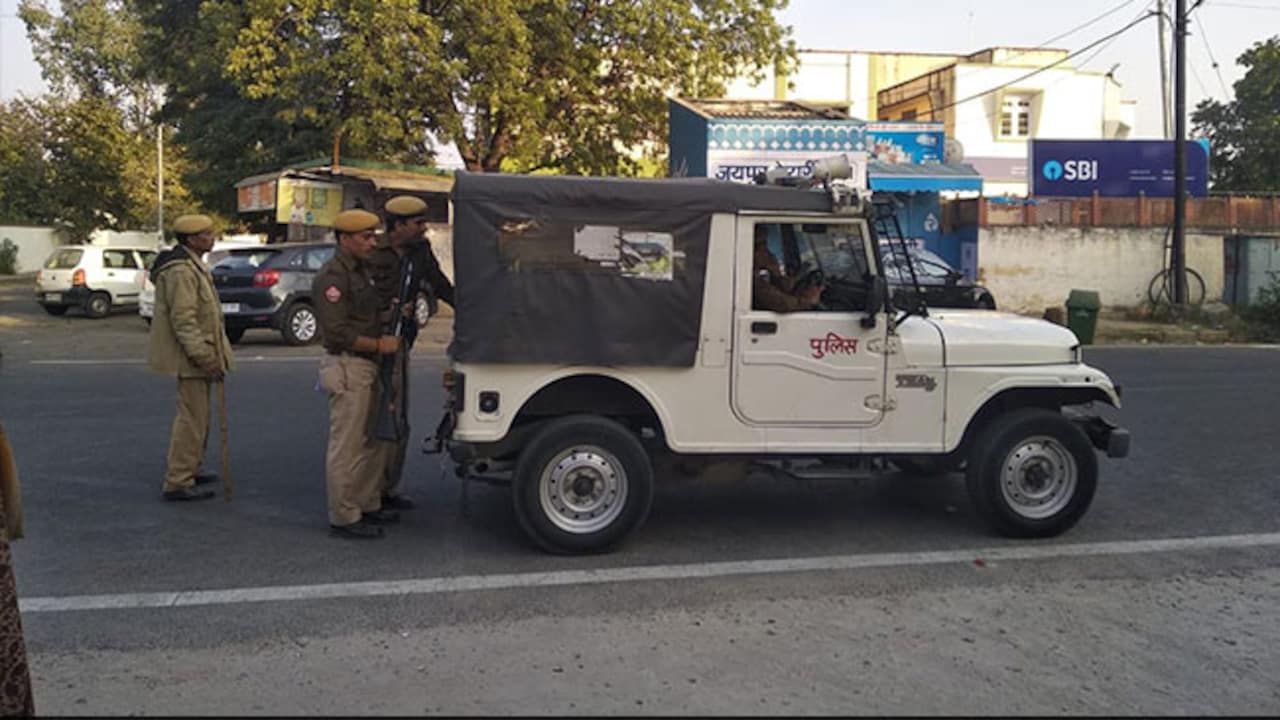
The Rajasthan Anti-Corruption Bureau (ACB) has arrested official Jaiprakash Charan for allegedly demanding and accepting a bribe of ₹3 lakh to process institutional agreements and bills.
- Official Jaiprakash Charan arrested by ACB for bribery.
- Bribe amount involved was ₹3,00,000.
- The demand was made for issuing agreement letters and clearing pending bills.
In a significant crackdown on administrative malpractice, the Anti-Corruption Bureau (ACB) of Rajasthan has apprehended a government official, Jaiprakash Charan, for allegedly accepting a bribe of ₹3 lakh. The operation was executed following a tip-off regarding illegal gratification being demanded for official duties.
According to ACB Director General (DG) Govind Gupta, the accused had demanded the illegal gratification from a complainant. The purpose of this bribe was to facilitate the issuance of an agreement letter for the complainant's institution and to expedite the clearance of its outstanding bills. The ACB laid a trap to catch the official in the act of receiving the money.
Why This Matters
BozokMedia analysis shows that such incidents of bribery within government departments create significant bottlenecks in institutional operations and erode public trust in administrative machinery. Addressing these systemic leaks is crucial for maintaining the integrity of state governance and ensuring a transparent business environment.
The swift action by the ACB serves as a potent deterrent against the culture of impunity among public servants.
The investigation is currently in its primary stages, with the accused undergoing intensive questioning. Authorities are looking into whether this particular incident is an isolated case or part of a larger, organized syndicate of corruption involving multiple departments or officials.
Historical Background
Over the last decade, the Rajasthan ACB has undergone significant modernization, incorporating advanced surveillance and forensic techniques to tackle white-collar crimes. The state has seen an increase in reported bribery cases, which experts attribute to both increased vigilance and higher reporting rates by citizens empowered by digital complaint portals.
Frequently Asked Questions
Q1: What was the reason behind the bribe demand?
A1: The bribe was demanded to issue an agreement letter and clear pending bills for an institution.
Q2: Who led the investigation?
A2: The investigation is being led by the Rajasthan Anti-Corruption Bureau (ACB) under the supervision of DG Govind Gupta.