A Delhi consumer commission has penalized a bank for deficiency in service after it failed to block a debit card despite a formal complaint, leading to further unauthorized transactions.
- The bank must refund ₹60,000 and pay ₹30,000 in compensation.
- Failure to act on a card-blocking request constitutes 'deficiency in service.'
- Banks are liable for losses occurring after a timely fraud report is filed.
New Delhi: In a significant ruling for consumer rights, the North District Delhi Consumer Commission has directed a bank to pay ₹90,000 to a customer. The order comes after the bank allegedly failed to deactivate a debit card following a reported theft, which allowed fraudsters to siphon off an additional ₹60,000 from the complainant's account.
Detailed Case Background
The incident traces back to October 2018, when the complainant attempted to activate a new ATM card at an automated kiosk. According to the victim, two unidentified individuals approached him under the guise of offering assistance. During this interaction, the suspects managed to observe his PIN and swapped his original debit card with a different one. The following day, the complainant noticed an unauthorized withdrawal of ₹25,000.
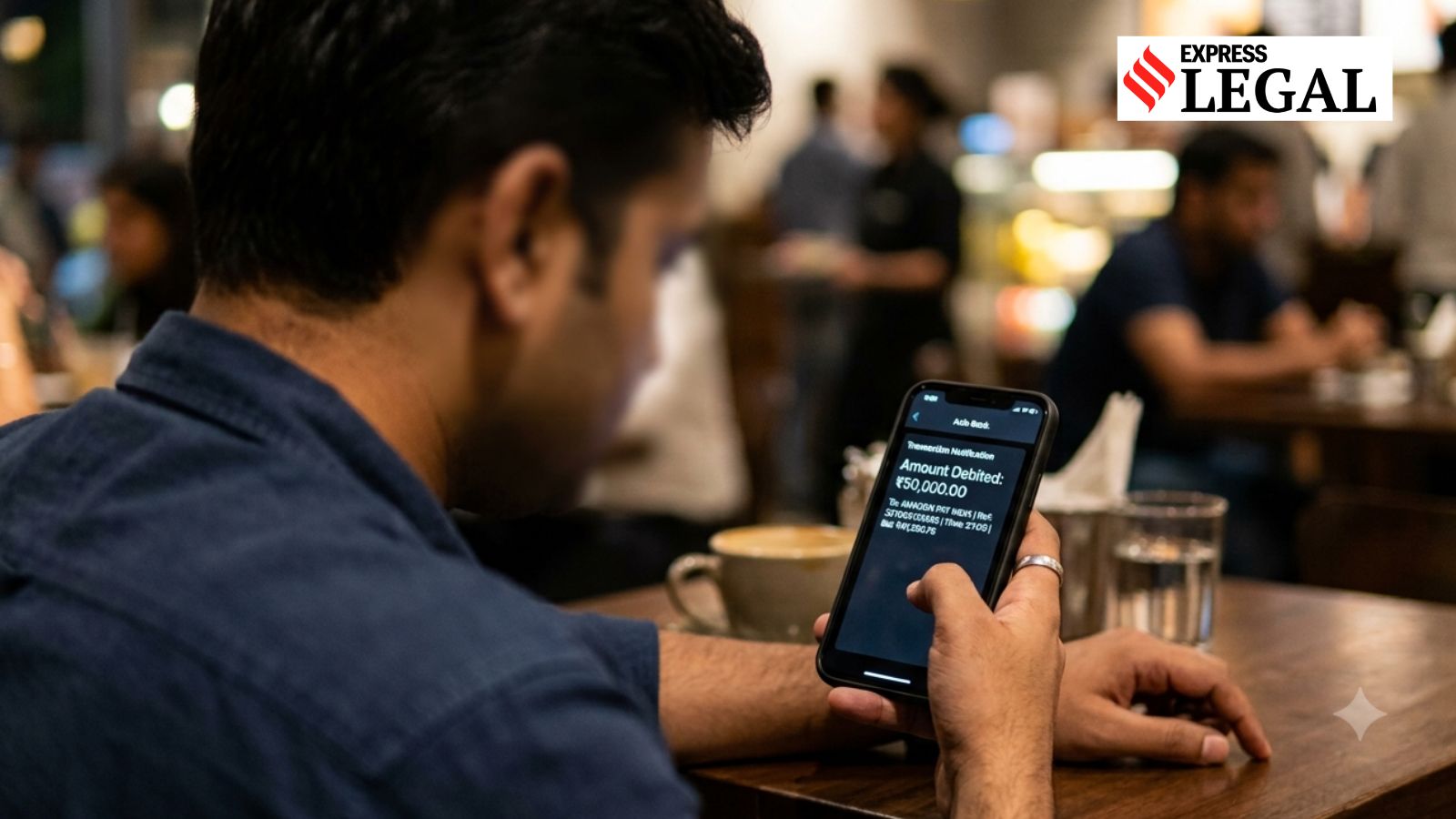
Acting swiftly, the victim contacted the bank's helpline, reported the fraud, and was issued a formal complaint number. The bank assured him that the card had been successfully blocked. However, the security breach continued; later that same evening, two more unauthorized transactions of ₹50,000 and ₹10,000 were debited from his account.
Why This Matters
BozokMedia analysis shows that this case highlights the critical gap between customer reporting and banking technical execution. While banks often shift the blame to 'customer negligence' regarding PIN sharing, the legal responsibility shifts heavily to the institution once a formal request for card deactivation is made and acknowledged.
A bank's failure to execute a blocking request in real-time is a fundamental breach of the fiduciary duty owed to the customer.
The bank argued in court that the loss was due to the complainant's negligence in sharing his PIN. However, the Commission, led by President Divya Jyoti Jaipuriar, noted a crucial distinction: while the complainant was responsible for the initial ₹25,000 loss, the bank was solely responsible for the subsequent ₹60,000 because the card should have been inactive per the customer's timely report.
Historical Context: Consumer Protection in Banking
Under the Consumer Protection Act, financial institutions are held to high standards of service. As digital transaction volumes surge in India, the judiciary has increasingly moved toward protecting consumers against systemic technical failures in banking infrastructure, ensuring that 'service deficiency' is not ignored in the digital age.
Frequently Asked Questions (FAQ)
1. Is the bank liable if I accidentally shared my PIN?
The bank is generally not liable for the immediate loss caused by your negligence, but they are strictly liable for any losses that occur after you have officially reported the fraud and requested a block.
2. What constitutes 'deficiency in service' in banking?
Failure to act on customer instructions (like blocking a card), unauthorized charges, or technical errors that lead to financial loss are all considered deficiencies.