The Supreme Court has taken a stern view of the delays in NIA-related trials, directing states to urgently establish dedicated special courts. Chief Justice Surya Kant emphasized that these courts must focus exclusively on NIA matters to ensure swift justice.
- Supreme Court reprimanded states for delays in NIA case adjudications.
- CJI Surya Kant ruled that special NIA courts should not hear non-NIA cases.
- Strict timelines were set for states like Telangana, Assam, and Jammu & Kashmir.
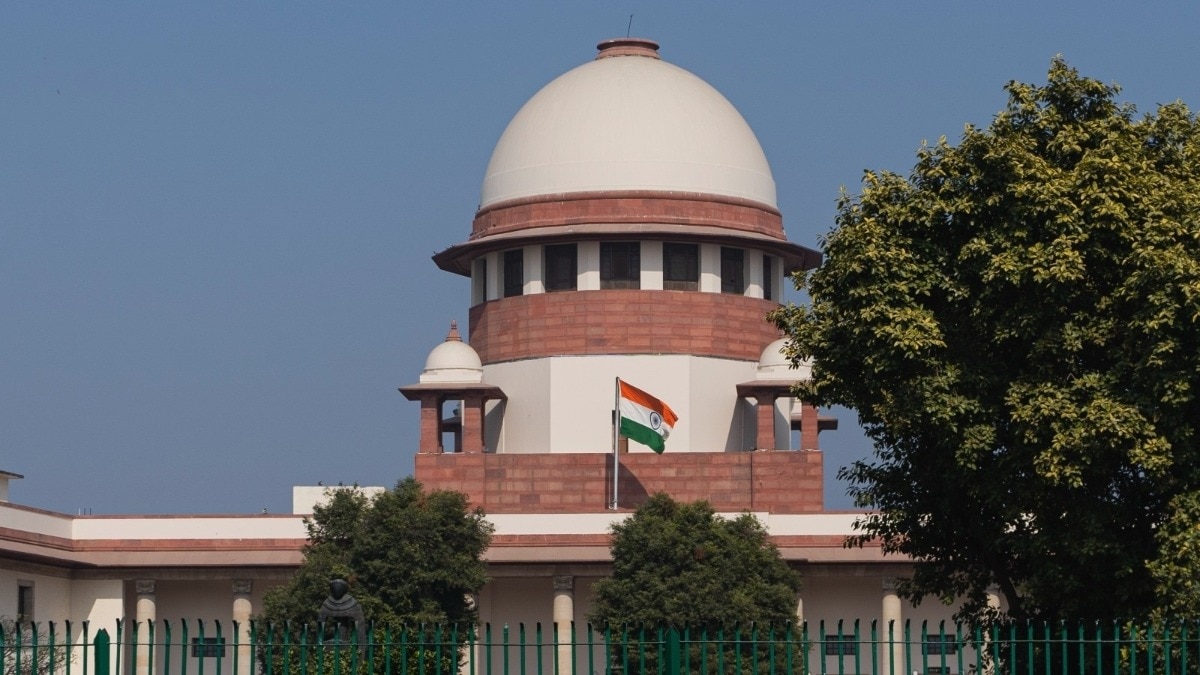
New Delhi: In a significant move to strengthen the judicial process surrounding national security, the Supreme Court of India has directed various states to immediately set up special courts dedicated to National Investigation Agency (NIA) cases. The bench, led by Chief Justice Surya Kant, was hearing a Public Interest Litigation (PIL) regarding the lack of dedicated judicial infrastructure for terror-related probes.
During the proceedings, ASG Aishwarya Bhati informed the bench that several states had failed to file reports regarding the status of special NIA courts. This lack of transparency has raised concerns about the pending caseloads in different regions of the country.
Why This Matters
BozokMedia analysis shows that the efficiency of anti-terror investigations relies heavily on the speed of the judicial process. Delays in NIA trials can impact national security strategies and weaken the deterrent effect of stringent anti-terror laws. Dedicated courts ensure that high-stakes matters receive undivided judicial attention.
The court examined the status of several states. In Jammu & Kashmir, where 46 NIA cases are pending, only one special court is operational. The court noted the necessity of establishing three additional courts in the region, considering security protocols. Similarly, Assam has 26 pending cases, and Telangana has 13, with the court setting a three-week deadline for Telangana to act.
Special NIA courts must remain exclusive to NIA matters to prevent the dilution of focus and ensure the rapid disposal of cases involving national security.
In Kerala, while the government claimed to have identified locations for two new courts, CJI Surya Kant rejected a request for a two-to-three-month extension, instead mandating that the courts be functional within just one month. The court's stance was clear: administrative delays cannot be an excuse for judicial stagnation.
| State | Pending NIA Cases | Court Status/Requirement |
|---|---|---|
| Jammu & Kashmir | 46 | 1 existing; 3 more required |
| Assam | 26 | 1 working; 2 in process |
| Telangana | 13 | 1 additional court needed |
Frequently Asked Questions
Question 1: Why is the Supreme Court intervening in NIA court establishment?
Answer: The Court is intervening to prevent delays in trials involving national security, which can undermine the effectiveness of the NIA.
Question 2: Can special NIA courts hear other criminal cases?
Answer: No, the Supreme Court has explicitly directed that these courts should only handle NIA-related matters to ensure speedy disposal.