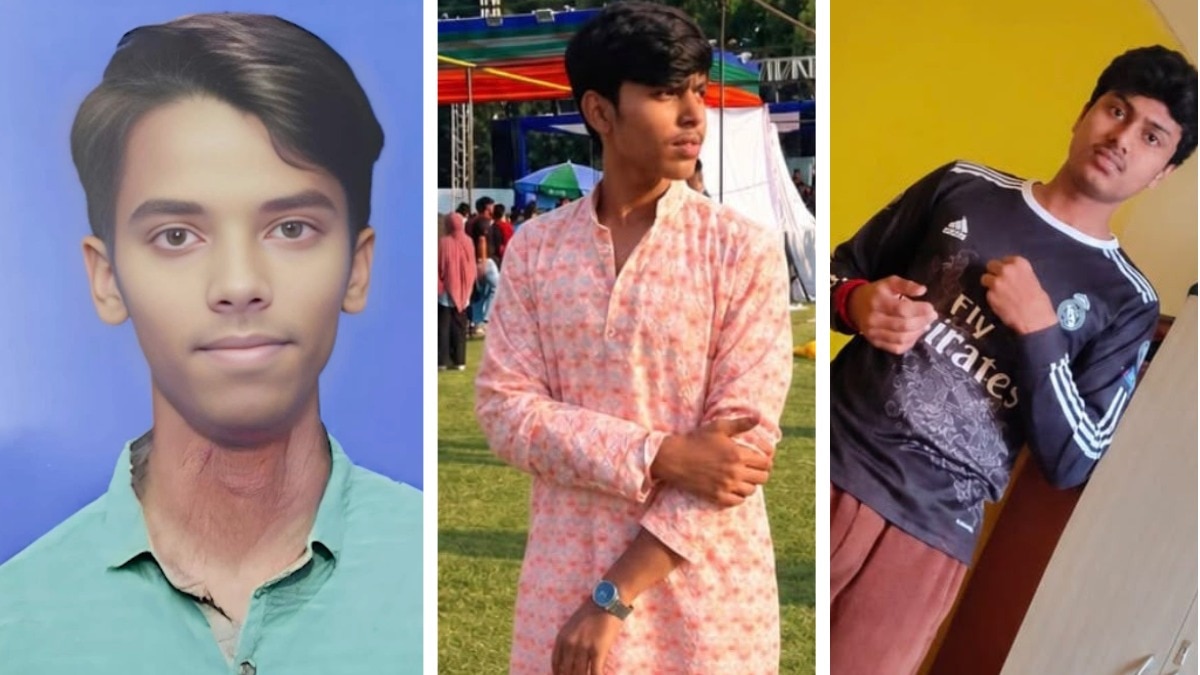
The Delhi High Court has dismissed the habeas corpus plea filed by influencer Swatantra Bhardwaj, who was arrested in connection with an alleged assault on CJP protesters. The court declined to intervene in the legality of his detention.
- Delhi High Court dismissed Swatantra Bhardwaj's habeas corpus petition.
- The arrest pertains to an alleged assault on CJP protesters.
- The court rejected arguments regarding the legality of the police action.
In a significant judicial development, the Delhi High Court has dismissed the plea filed by prominent influencer Swatantra Bhardwaj, challenging his arrest. The case stems from an alleged incident involving the assault of protesters associated with the CJP, which led to his apprehension by law enforcement agencies.
During the proceedings, Bhardwaj's legal counsel contended that the arrest was unwarranted. Bhardwaj himself expressed grievances to the court, stating that the police displayed 'audacity' by traveling to Bulandshahr to effectuate the arrest. However, the court found no merit in these arguments and refused to grant relief.
Background of the Case
The legal battle began following a confrontation during a protest, after which a First Information Report (FIR) was lodged against Bhardwaj. He stands accused of involvement in or incitement of violence against demonstrators. Following his arrest, he was remanded to 14-day judicial custody by the lower court.
Bhardwaj had moved the High Court seeking a writ of habeas corpus, arguing that his detention was unlawful. He had also raised questions regarding the jurisdictional conduct of the police, but the court maintained that the procedural aspects of the investigation did not warrant the quashing of his arrest.
Why This Matters
BozokMedia analysis shows that this case highlights the growing tension between digital influencers and law enforcement agencies. As public figures wield significant influence over social discourse, the judiciary's role in balancing individual liberty with public order becomes increasingly critical in the digital age.
Legal accountability remains absolute, regardless of an individual's digital footprint or social influence.
The implications of this ruling extend to how digital personalities navigate political activism and the potential legal consequences of their involvement in physical demonstrations. It reinforces the principle that digital reach does not grant immunity from criminal procedure.
Frequently Asked Questions
Question 1: What are the charges against Swatantra Bhardwaj?
Answer: He is accused of assaulting protesters during a CJP-related demonstration.
Question 2: Why did the High Court refuse the plea?
Answer: The court found the arguments regarding the illegality of the arrest to be insufficient under the current circumstances.