The Punjab and Haryana High Court has ruled that a foreign domestic driving licence does not grant an automatic right to drive in India. A man has been held liable for ₹2.49 lakh in compensation following a crash that killed a nine-month-old infant.
- Foreign domestic licences are not automatically valid for driving in India.
- An International Driving Permit (IDP) or local Indian authorisation is mandatory.
- Insurance companies can recover compensation from drivers lacking valid local authorisation.
The Punjab and Haryana High Court has dismissed an appeal by a man seeking to avoid liability for a 2015 road accident that resulted in the tragic death of a nine-month-old girl. The court established a critical legal precedent: a domestic driving licence issued by a foreign country does not authorize a person to operate a motor vehicle on Indian roads without additional certification.
Presiding Justice Deepak Gupta upheld the order requiring the payment of ₹2.49 lakh in compensation to the victim's family. The court noted that while the appellant possessed a licence from Victoria, Australia, he failed to produce an International Driving Permit (IDP) or any endorsement from an Indian licensing authority.
Why This Matters
BozokMedia analysis shows that this ruling closes a common loophole used by expats and NRIs who assume global reciprocity of driving licences. By strictly interpreting the Motor Vehicles Act, the court ensures that safety standards and regulatory oversight are maintained, preventing drivers from bypassing local laws under the guise of foreign credentials.
"A foreign licence is a permit for a specific jurisdiction; crossing borders requires a standardized international permit to ensure legal and insurance compliance."
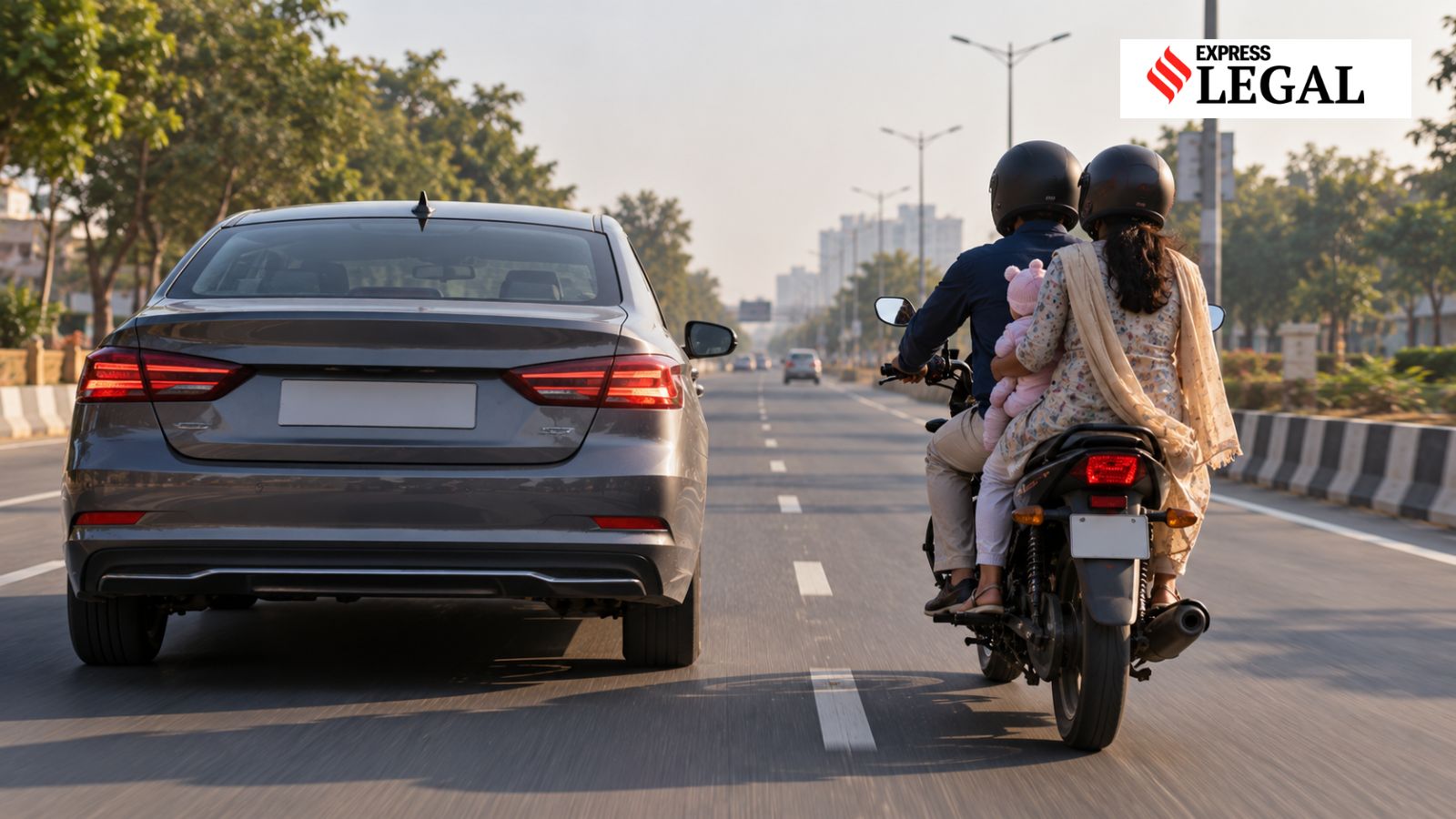
The incident dates back to August 31, 2015, when a car allegedly struck a motorcycle, killing the infant passenger. The Motor Accidents Claims Tribunal (MACT) had originally awarded the compensation in 2016, ruling that the driver was not legally authorized to drive in India.
During the proceedings, the man's legal counsel argued that the tribunal erred in ignoring a valid Australian licence. However, the court found that the man admitted during cross-examination that he held no Indian licence. Furthermore, the court dismissed the argument that the man's acquittal in a separate criminal case should exempt him from civil liability for compensation.
| Document Type | Validity in India | Requirement |
|---|---|---|
| Foreign Domestic Licence | Invalid | Requires IDP/Endorsement |
| International Driving Permit | Valid | Must accompany original licence |
| Indian Driving Licence | Fully Valid | Issued by RTO |
Frequently Asked Questions
Q1: Can a foreign national drive in India with only a home-country licence?
A: No, they must possess a valid International Driving Permit (IDP) or have their licence endorsed by the relevant Indian transport authorities.
Q2: Does an acquittal in a criminal case stop the payment of accident compensation?
A: No, criminal liability and civil compensation (MACT) are different; one can be acquitted of a crime but still be held liable for financial damages.