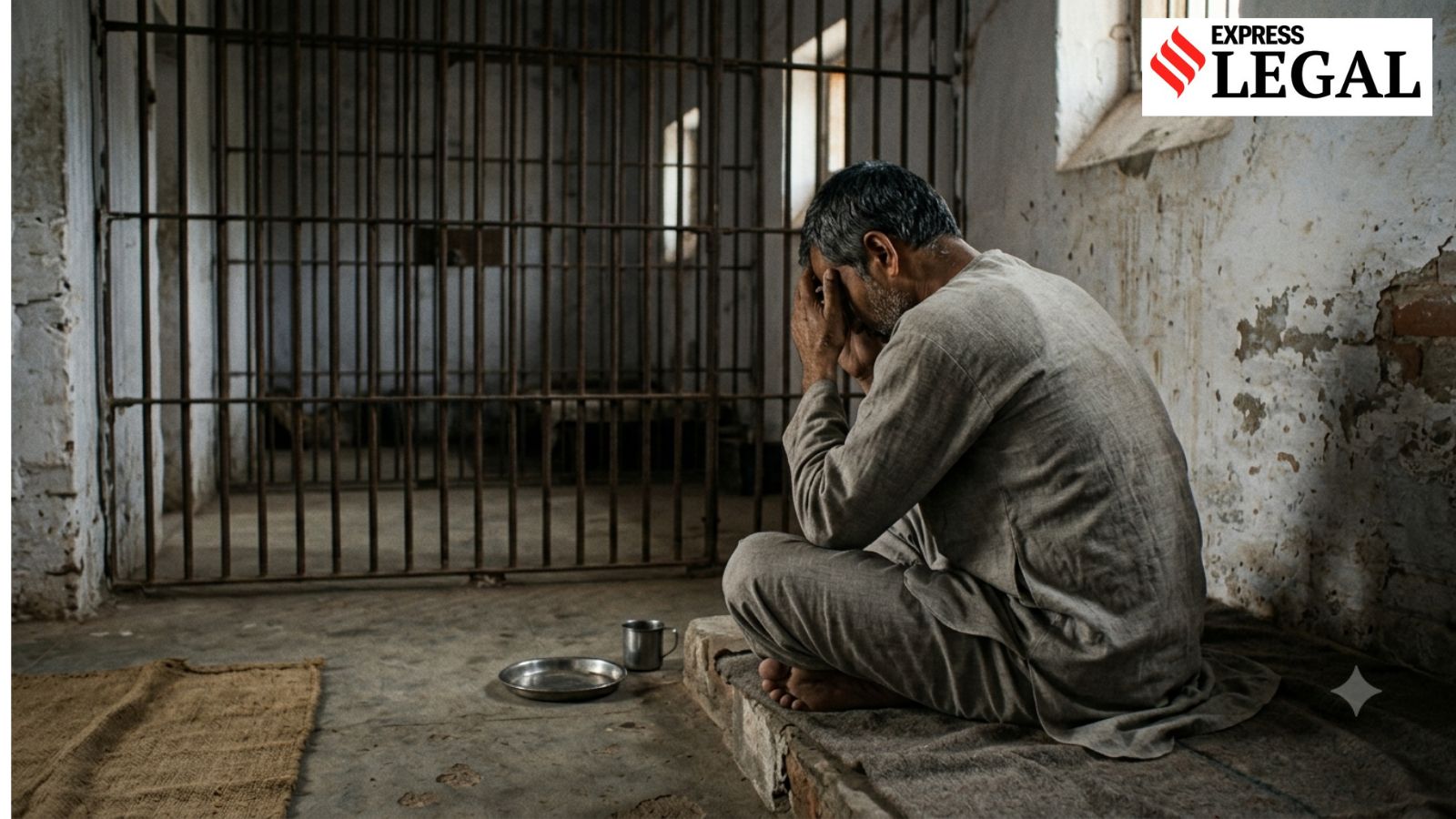
The Union Government, via Solicitor General Tushar Mehta, has announced plans to challenge the Allahabad High Court's decision to quash National Security Act (NSA) charges against Aakriti Chaudhary.
- The Union Government will challenge the Allahabad High Court's ruling that quashed NSA charges against DU graduate Aakriti Chaudhary.
- The High Court had previously warned that bureaucratic overreach could turn the state into an 'Orwellian Dystopia'.
- The matter was discussed before a Supreme Court bench led by Chief Justice of India Surya Kant.
In a significant legal development, Solicitor General Tushar Mehta informed the Supreme Court of India on Wednesday that the government intends to challenge the judgment of the Allahabad High Court. The lower court had previously quashed the charges under the National Security Act (NSA) against Aakriti Chaudhary, a 25-year-old graduate of Delhi University.
The legal battle stems from the detention of Chaudhary in May, following her participation in labour protests in Noida. The Allahabad High Court, in a scathing 15-page order delivered on September 2, not only set aside the detention but also granted compensation to the student, citing a lack of sufficient grounds for invoking the stringent NSA.
Why This Matters
BozokMedia analysis shows that this case highlights the growing tension between state security apparatuses and civil liberties. The use of the NSA—a law that allows for preventive detention without trial—against student activists is a point of intense legal scrutiny. The government's decision to appeal suggests a desire to validate the use of preventive detention laws in the context of public protests.
During the proceedings, Chief Justice of India Surya Kant noted the specific instance of the student who was detained during an agitation and subsequently awarded compensation by the High Court. Upon this observation, Solicitor General Mehta explicitly stated, "That we are challenging," confirming the government's stance.
The invocation of the National Security Act in protest cases often walks a thin line between maintaining public order and suppressing democratic dissent.
The Allahabad High Court's original ruling was particularly critical of the administration. Justices Atul Sreedharan and Achal Sachdev warned against "bureaucratic overreach," stating that unchecked abuses of power by the Uttar Pradesh police and state officials risk reducing the state to an "Orwellian Dystopia," referring to George Orwell's vision of a totalitarian surveillance state.
Historically, the NSA has been a tool of contention in India, often criticized by human rights organizations for being misused to silence political opponents and activists. By challenging the High Court's relief, the government seeks to redefine the boundaries of 'national security' as it pertains to local labour agitations.
Frequently Asked Questions
1. Who is Aakriti Chaudhary?
She is a 25-year-old Delhi University graduate who was detained under the NSA in connection with labour protests in Noida.
2. What is an 'Orwellian Dystopia'?
It is a term derived from George Orwell's novel '1984', describing a society characterized by government surveillance, control, and the loss of individual freedoms.