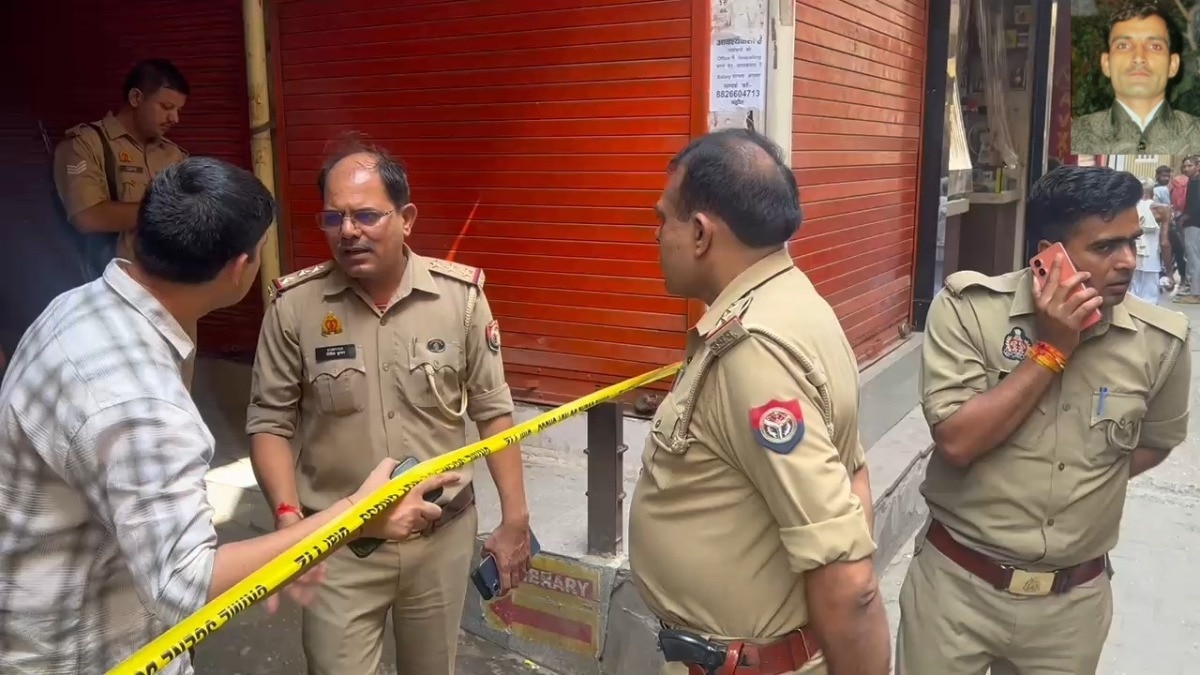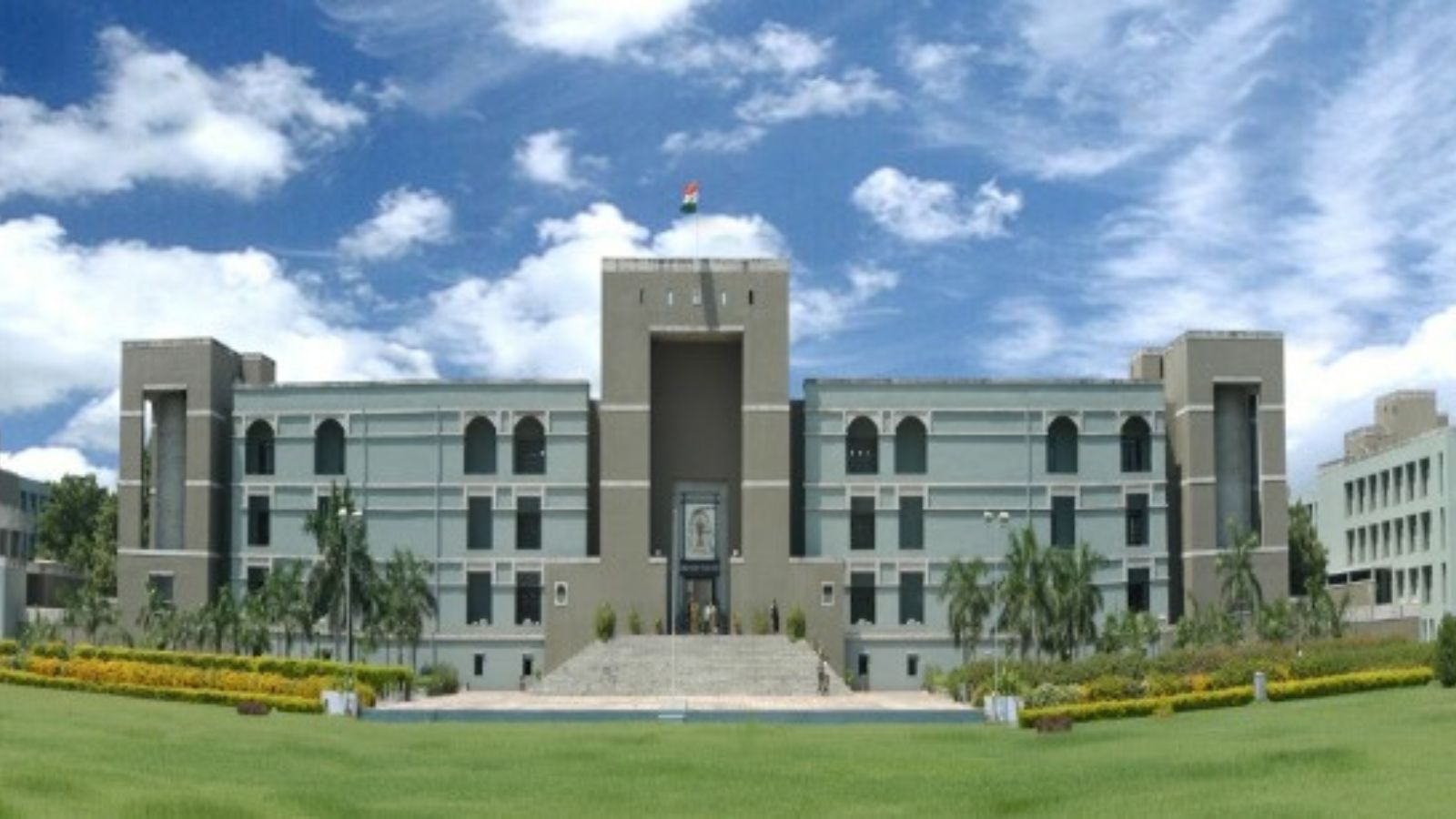
The Gujarat High Court has exonerated two police officers convicted in a bribery case dating back to 1999. The court ruled that the prosecution failed to prove the essential elements of demand and acceptance of the bribe.
- Two police officers acquitted by Gujarat HC 27 years after the alleged incident.
- The case centered around a ₹100 balance payment of a total ₹900 bribe.
- Court ruled that recovery of tainted notes alone is insufficient for conviction.
The Gujarat High Court has delivered a landmark judgment acquitting two policemen in a corruption case that spanned nearly three decades. Justice Vimal K Vyas set aside the conviction of Assistant Sub Inspector Dayashankar Tripathi and a colleague, who had been sentenced to two years of rigorous imprisonment by a lower court in 2005.
The genesis of the case dates back to January 1999 in the Patan district of Gujarat. Following an auto-rickshaw accident involving a cyclist, the prosecution alleged that ASI Tripathi demanded a bribe of ₹1,500 from the operator, Bhanuprasad Oza, to avoid the seizure of the vehicle and the operator's arrest. The amount was eventually negotiated down to ₹900, with ₹800 paid immediately and ₹100 promised for later.
When the remaining ₹100 was demanded the following day, Oza approached the Anti-Corruption Bureau (ACB) in Mehsana. A trap was orchestrated using currency notes treated with anthracene powder—a fluorescent chemical used to track the handling of illicit money. The officers were caught in the act, leading to their conviction by the Special Judge at Patan in 2005.
Why This Matters
BozokMedia analysis shows that this case underscores the critical distinction between the 'recovery' of money and the 'proof of demand.' In many corruption cases, the prosecution relies heavily on the physical recovery of tainted notes, but this judgment reaffirms that without a proven voluntary demand and acceptance, the legal presumption of guilt cannot be established.
"The mere recovery of tainted currency notes is not sufficient to convict the accused if the core evidence regarding the demand is unreliable."
During the High Court proceedings, the prosecution's case crumbled as the chief witness, Bhanuprasad Oza, provided contradictory testimony. Oza admitted under cross-examination that the primary accused had neither demanded nor accepted money during the trap. Furthermore, the 'shadow witness' provided a different version, claiming the accused had refused the money.
Relying on a Supreme Court Constitution Bench ruling, Justice Vyas noted that where two plausible views exist, the one favoring the accused must prevail. The court concluded that the trial court failed to appreciate these contradictions, thereby quashing the conviction and ordering the refund of any fines paid.
Frequently Asked Questions
Q1: Why did the High Court overturn the 2005 conviction?
A: The court found that the prosecution failed to prove the 'demand' and 'acceptance' of the bribe due to contradictory witness statements.
Q2: What was the role of the anthracene powder in this case?
A: It was used to mark the bribe money to prove the officers had touched the notes, though the court ruled this recovery alone wasn't enough for a conviction.